
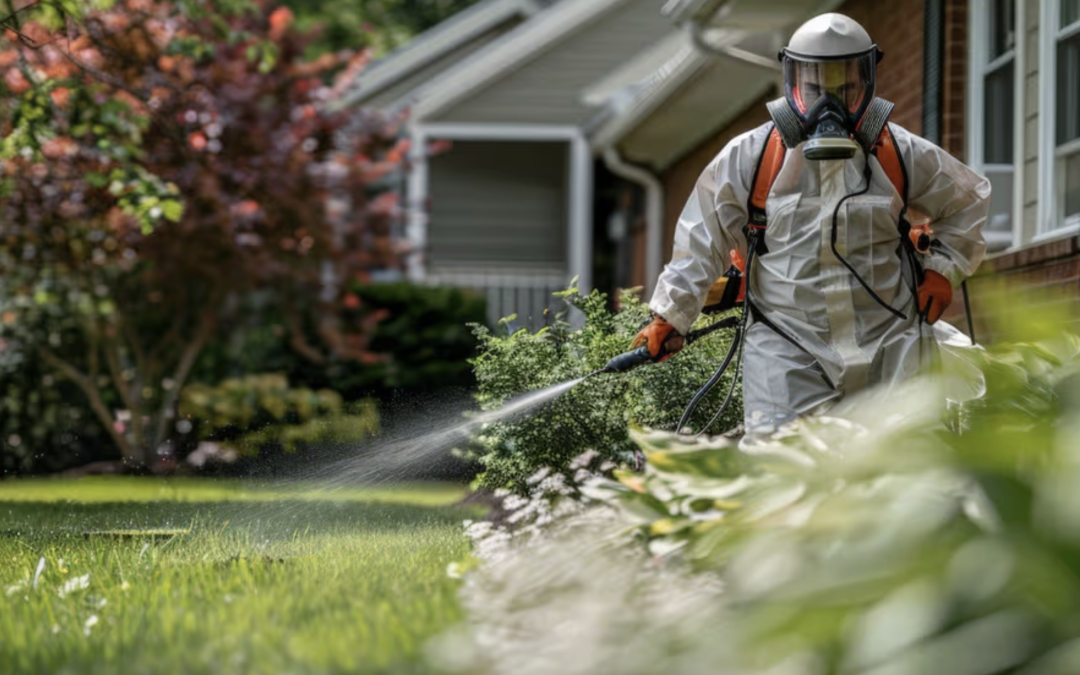
A healthy lawn can completely change how your property looks and feels. It gives your home better curb appeal, creates a more comfortable outdoor space, and helps protect your soil from erosion and weeds. But even a well-maintained yard can quickly develop problems when pests move in.
Many homeowners notice brown patches, thinning grass, or damaged roots and assume the issue is caused by drought or poor watering habits. In reality, lawn pests are often the hidden cause. Insects and rodents can damage grass from above and below the surface, turning a healthy lawn into a patchy, stressed landscape surprisingly fast.
Understanding how lawn pest control works is one of the best ways to protect your property long-term. The earlier you identify the signs, the easier and less expensive the problem usually is to manage.
Why Lawn Pests Are More Common Than People Think
Lawns create the perfect environment for many pests. Moist soil, shaded areas, thick grass, and easy access to food sources allow insects and rodents to settle in comfortably. Some pests feed directly on grass blades, while others attack the root system underneath the soil.
Warm weather can make infestations even worse. During spring and summer, pest populations often grow rapidly, especially after periods of rain or humidity.
Common lawn pests in Alberta include:
Some pests damage the lawn itself, while others create safety concerns for pets and families. Fire ants and wasps, for example, can make outdoor spaces uncomfortable or dangerous during warmer months.
Signs Your Lawn May Have a Pest Problem
One of the biggest challenges with lawn pests is that damage often starts below the surface. By the time visible symptoms appear, the infestation may already be well established.
Here are some of the most common warning signs homeowners should watch for:
- Brown or yellow patches that continue spreading despite watering
- Grass that feels loose or lifts easily from the soil
- Chewed, ragged, or thinning grass blades
- Increased bird activity digging into the lawn
- Small soil mounds or visible insect activity
- Areas that feel unusually soft or spongy
The pattern of damage can also reveal important clues. Problems caused by pests usually appear in irregular patches instead of evenly across the lawn.
For example, grub damage often causes roots to weaken underneath the turf. In severe cases, sections of grass can peel back almost like carpet because the root system has already been destroyed.
The Most Common Lawn Pests Homeowners Deal With
Grubs
Grubs are among the most destructive lawn pests because they attack grass roots directly. They are typically the larvae of beetles and live beneath the soil surface.
Signs of grub activity include:
- Brown patches that spread quickly
- Grass pulling up easily
- Birds or raccoons digging into the yard
- Weak or dying turf despite watering
Since grubs damage the roots, lawns often struggle to recover without treatment and proper aftercare.
Chinch Bugs
Chinch bugs feed by sucking moisture from grass blades. They are especially active during hot, dry periods and can create large yellow patches that resemble drought stress.
Homeowners sometimes overwater the lawn trying to fix the problem, which delays proper treatment.
Sod Webworms
Sod webworms are lawn moth larvae that feed on grass during the evening and overnight hours. Their damage often appears as thin, uneven patches with chewed grass blades.
You may also notice small moths flying low over the grass around dusk.
Ants and Wasps
Not all lawn pests directly damage grass, but some create hazards around the property. Ant hills can disrupt landscaping and make mowing difficult, while wasp nests near patios, fences, or decks can quickly become dangerous during summer.
In these cases, pest control for lawn areas becomes more about safety and comfort than turf health alone.
Why Healthy Lawns Resist Pests Better
A stressed lawn is far more vulnerable to infestation. Weak grass gives pests easier access to moisture, roots, and shelter.
Simple lawn care habits can significantly reduce your chances of dealing with major infestations later:
- Water deeply instead of lightly every day
- Avoid cutting grass too short
- Aerate compacted soil
- Remove excess thatch buildup
- Avoid over-fertilizing
- Fix drainage problems quickly
Many homeowners focus only on treatment after pests appear. Prevention is usually far more effective and less disruptive.
Proper lawn maintenance also helps you spot changes earlier. When you regularly mow, water, and inspect your yard, unusual damage becomes easier to identify before it spreads.
DIY Treatments vs Professional Lawn Pest Control
Small or early-stage infestations can sometimes be reduced with proper lawn care adjustments. Improving watering habits, mowing correctly, and reducing moisture buildup may help prevent minor pest activity from worsening.
However, DIY products often fail when infestations are already established underground. Many over-the-counter solutions only target surface insects and do not fully eliminate eggs or larvae.
Professional lawn pest control becomes important when:
- Damage keeps returning
- Multiple areas of the lawn are affected
- The infestation spreads rapidly
- DIY treatments are no longer working
- Safety risks are involved
At that stage, proper identification matters just as much as treatment itself. Misidentifying lawn pests can lead to wasted money, unnecessary chemical use, and additional lawn damage.
That is why many homeowners eventually turn to professionals like We Clean Pest Control for accurate inspections and targeted solutions.
Seasonal Lawn Pest Activity
Different pests become active at different times of year. Understanding seasonal activity can help homeowners monitor their lawns more effectively.
Spring
Spring often brings grub activity, ants, and early insect populations emerging after winter. Moist soil conditions can increase pest activity quickly.
Summer
Summer is typically peak season for many lawn pests. Heat and dry conditions can stress grass, making it more vulnerable to chinch bugs, sod webworms, and wasps.
Fall
Some pests remain highly active into early fall, especially while temperatures stay warm. This is also when many homeowners first notice the cumulative damage from summer infestations.
Winter
While activity slows down during winter, certain pests may remain hidden underground or near structures waiting for warmer temperatures.
Consistent monitoring throughout the year helps prevent surprises when the next season begins.
How Professional Lawn Treatments Help
Modern pest management is not only about spraying chemicals. Effective lawn care strategies focus on identifying the root cause of infestations and reducing conditions that attract pests in the first place.
Professional treatments may include:
- Targeted pest identification
- Soil and root inspections
- Heat or low-toxicity treatment options
- Monitoring plans
- Preventive lawn recommendations
Companies offering residential pest control services often combine treatment with prevention advice to reduce the risk of recurring problems.
This approach is especially important for families with pets or children who spend time outdoors regularly.
Frequently Asked Questions
How do I know if my lawn damage is caused by pests or drought?
Pest damage usually appears in irregular patches and may include chewing, loose turf, or visible insect activity. Drought stress tends to affect the lawn more evenly.
Can lawn pests spread to other parts of the property?
Yes. Some pests can move from lawns into gardens, trees, sheds, garages, or even inside homes if conditions allow.
Is lawn pest control safe for pets and children?
Modern treatments are designed to minimize risk when applied properly. Some companies also offer low-toxicity or non-chemical treatment options depending on the pest problem.
Can a damaged lawn recover after treatment?
In many cases, yes. Recovery depends on how severe the infestation became and whether the roots were heavily damaged before treatment started.
Protecting Your Lawn Before Problems Get Worse
Healthy lawns rarely happen by accident. They require consistent maintenance, early detection, and quick action when problems appear.
The most effective pest control for lawn health starts with paying attention to small warning signs before they turn into major infestations. Brown patches, weakened roots, insect activity, and unusual lawn stress should never be ignored for long.
When infestations become difficult to manage alone, professional guidance can help prevent larger repair costs and ongoing frustration. A well-maintained lawn is not just about appearance. It also helps create a cleaner, safer, and more comfortable outdoor environment for your entire household.

Recent Comments