
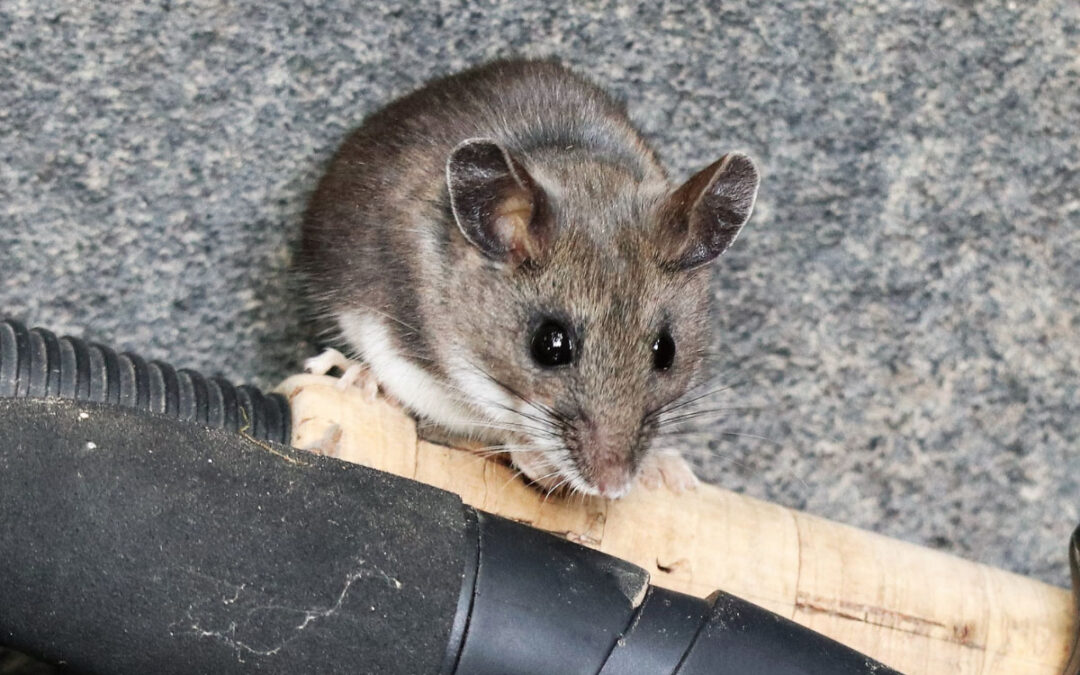
Finding a mouse in your home is unsettling. Finding signs of mice over and over again after treatments can be even more frustrating. Many homeowners assume that removing mice and preventing mice are the same thing, but they are actually two different approaches.
Mouse removal focuses on getting rid of mice that are already inside. Mouse exclusion focuses on stopping mice from getting in at all.
Understanding the difference can help you choose a solution that addresses the root cause of the problem instead of treating the symptoms repeatedly.
What Is Mouse Exclusion?
Mouse exclusion is the process of identifying and sealing the entry points that mice use to access a building.
Mice can squeeze through openings as small as a dime. A gap around a utility pipe, a damaged vent, a crack in the foundation, or a small opening under a door may be enough for them to enter.
Exclusion involves a thorough inspection of the property followed by repairs designed to block those access points. Common exclusion measures include:
- Sealing gaps around utility lines and pipes
- Installing rodent-resistant materials over vents
- Repairing damaged siding or foundation cracks
- Closing openings around doors and windows
The goal is simple: prevent mice from entering the structure in the first place.
Think of it this way. If water keeps leaking into your basement, constantly mopping the floor does not solve the problem. You need to fix the source of the leak. Mouse exclusion works the same way.
What Is Mouse Removal?
Mouse removal focuses on eliminating mice that are already present inside a home or building.
This can involve:
- Traps
- Bait stations
- Monitoring devices
- Targeted pest control treatments
Removal is often necessary when an active infestation exists. If mice are already nesting in walls, attics, crawl spaces, or storage areas, they must be removed before the problem can be fully resolved.
However, removal alone does not stop new mice from entering. If entry points remain open, new rodents can replace the ones that were removed.
This is one reason some homeowners experience recurring infestations despite multiple treatments.
Is Mouse Exclusion Better Than Mouse Removal?
This is one of the most common questions homeowners ask.
The answer is that exclusion and removal work best together, but exclusion is usually what creates long-term results.
Removal addresses the mice you have today.
Exclusion addresses the mice you could have tomorrow.
Without exclusion, a property can remain vulnerable year after year. Mice naturally seek warmth, shelter, and food, especially during Alberta’s colder months. If they can access your home once, they are likely to try again.
A complete rodent management strategy typically starts with removing active mice and then focuses on sealing the building to prevent future invasions.
How Do Mice Get Into Houses?
Many people are surprised by how many potential entry points exist around a typical home.
Mice are excellent climbers and can enter from ground level or higher areas of a structure.
Common entry points include:
- Gaps around plumbing and electrical penetrations
- Openings around air conditioning lines
- Damaged weather stripping
- Foundation cracks
- Roof and soffit gaps
- Garage door corners
- Dryer and utility vents
In many cases, homeowners never notice these openings because they seem insignificant. To a mouse, however, even a small gap can be an invitation.
Can Mice Come Back After Removal?
Yes.
This is another question frequently found in Google’s “People Also Ask” results, and for good reason.
If entry points remain open, mice can absolutely return after removal.
Rodents do not need a formal invitation. They are constantly searching for food, shelter, and nesting opportunities. Once they discover an accessible building, they often return repeatedly.
This is why exclusion has become increasingly important in modern rodent control programs. Simply removing existing mice may provide temporary relief, but it does not eliminate the conditions that allowed the infestation to occur.
What Are the Signs That Your Home Needs Mouse Exclusion?
Sometimes mice are present long before homeowners actually see one.
Warning signs may include:
- Droppings in cupboards, pantries, or storage rooms
- Scratching sounds in walls or ceilings
- Gnaw marks on wood, plastic, or wiring
- Nesting materials such as shredded paper or insulation
- Unpleasant musky odors
- Grease marks along walls and travel routes
Even if the current mouse population appears small, these signs indicate that mice have already found a way into the structure.
An exclusion inspection can help identify where they are getting in and whether additional vulnerabilities exist.
How Long Does Mouse Exclusion Last?
A properly performed exclusion service can provide long-term protection.
Unlike temporary treatments that focus only on current activity, exclusion targets structural weaknesses. Once those entry points are sealed using durable, rodent-resistant materials, the risk of future infestations can be significantly reduced.
The lifespan of exclusion work depends on factors such as:
- Building age
- Construction materials
- Property maintenance
- Weather exposure
- Landscaping conditions
Regular inspections can help ensure that new openings do not develop over time.
Why Do Mice Become More Active in Fall and Winter?
Mouse activity often increases when temperatures begin to drop.
Outdoor food sources become scarcer, and mice start searching for warm places to survive the winter. Homes, garages, apartment buildings, and commercial properties offer ideal shelter.
This seasonal migration explains why many infestations are first discovered during autumn and early winter.
Property owners who invest in exclusion before cold weather arrives often reduce the likelihood of mice establishing nests indoors during the winter months.
For this reason, many mice exterminators in Edmonton recommend inspections and preventative exclusion work before the peak rodent season begins.
What Makes Mouse Exclusion Different From Traditional Pest Control?
Traditional pest control often focuses on reducing existing pest populations through treatments, traps, or monitoring.
Exclusion focuses on the structure itself.
Instead of asking, “How do we eliminate the mice?” exclusion asks, “How are the mice getting in?”
That difference matters because it shifts the focus from repeated treatment cycles to long-term prevention.
At We Clean Pest Control, we often explain that effective rodent management starts with understanding the source of the problem. Identifying access points can prevent ongoing infestations and reduce the need for repeated interventions.
This approach is particularly valuable for homeowners, landlords, and property managers looking for sustainable solutions rather than temporary fixes.
Is Mouse Exclusion Only for Homes?
No.
Mouse exclusion is beneficial for a wide range of properties, including:
- Single-family homes
- Apartments and condominiums
- Multi-unit residential buildings
- Warehouses
- Retail spaces
- Restaurants
- Office buildings
In fact, exclusion can be especially important for commercial and multi-unit properties because rodents can move between units and spread quickly if access points are left unaddressed.
Many providers that offer residential pest services also perform exclusion work for larger properties where prevention is critical for protecting occupants and maintaining building standards.
Frequently Asked Questions
What is the difference between mouse exclusion and mouse removal?
Mouse removal focuses on eliminating mice that are already inside a property. Mouse exclusion focuses on preventing mice from entering by sealing access points and correcting structural vulnerabilities.
Can mouse exclusion completely prevent mice?
No solution can guarantee that rodents will never attempt to enter a building. However, professional exclusion can significantly reduce the likelihood of infestations by eliminating common entry routes.
Do I still need mouse removal if I get exclusion work done?
If mice are already present inside the structure, removal is typically necessary first. Exclusion then helps prevent new mice from entering after the existing population has been addressed.
What materials are used for mouse exclusion?
Professionals often use durable materials such as steel mesh, metal flashing, specialized sealants, and other rodent-resistant products designed to withstand chewing and weather exposure.
The Most Effective Way to Keep Mice Out for Good
Mouse removal and mouse exclusion serve different purposes, but both play an important role in effective rodent control.
Removal helps eliminate active infestations. Exclusion helps stop future infestations from happening in the first place.
If you are dealing with recurring mouse activity, the issue may not be the mice themselves. The real problem could be the unnoticed gaps and openings that continue to let them inside.
By addressing both the infestation and the entry points, homeowners can achieve a more reliable, long-term solution and reduce the likelihood of facing the same problem again next season.
