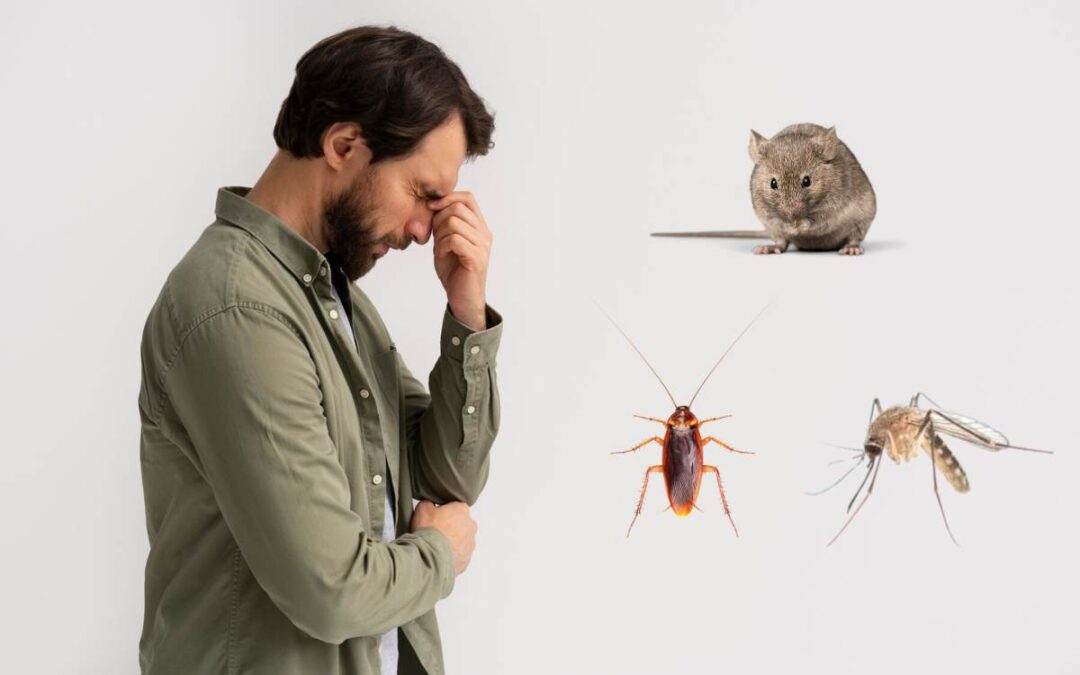
For restaurants, cafés, food processors, healthcare facilities, and many other businesses, a health inspection is more than a routine visit. It is a direct assessment of how well a facility protects customers, employees, and the public. One of the fastest ways to lose points during an inspection is evidence of pest activity.
Many business owners assume a failed inspection only happens when inspectors find large infestations. In reality, even small signs of pests can raise concerns. A few rodent droppings, a cockroach spotted near a food preparation area, or evidence of flies breeding in drains may be enough to trigger violations.
Understanding how pests affect health inspection results can help businesses reduce risk, maintain compliance, and protect their reputation.
Why Are Pests a Major Concern During Health Inspections?
Health inspectors focus on conditions that can lead to contamination, foodborne illness, or unsafe environments. Pests are a significant concern because they can spread bacteria, viruses, and other harmful pathogens.
Rodents, cockroaches, flies, and ants often travel through garbage areas, drains, sewers, and other unsanitary environments before entering a facility. When they move across food storage areas, preparation surfaces, or equipment, they can transfer contaminants that put customers at risk.
Inspectors do not simply look for live pests. They also look for signs that pests are present or that conditions could support an infestation.
Common warning signs include:
- Droppings, urine stains, or nesting materials
- Gnaw marks on food packaging or building materials
- Dead insects in storage or food preparation areas
- Pest entry points such as gaps around doors and pipes
- Excess moisture, food debris, or waste accumulation
Even if no live pests are found, these indicators can still result in inspection violations.
Can You Fail a Health Inspection Because of Pests?
Yes. Pest activity is one of the most common reasons businesses receive health code violations.
The severity of the outcome depends on several factors, including the type of pest, the level of infestation, and the area where the problem is found. A single fruit fly near an entrance may result in a minor observation, while evidence of rodents in food storage areas could lead to serious violations or temporary closure.
Inspectors generally evaluate whether the pest issue creates an immediate threat to public health. The greater the risk of contamination, the more severe the consequences.
In many jurisdictions, repeated pest-related violations can lead to:
- Lower inspection scores
- Mandatory corrective actions
- Follow-up inspections
- Financial penalties
- Temporary business closures
- Damage to public reputation
For businesses that rely on customer trust, the reputational impact can sometimes be more costly than the inspection itself.
What Pests Are Most Likely to Cause Health Code Violations?
Not all pests create the same level of concern. Certain species are closely associated with food contamination and disease transmission.
Rodents
Mice and rats are among the most serious concerns during inspections. They contaminate surfaces through droppings, urine, and hair. They can also damage walls, insulation, and electrical wiring.
Inspectors often view rodent activity as evidence of larger sanitation or building maintenance issues.
Cockroaches
Cockroaches are particularly problematic because they thrive in kitchens, storage rooms, and areas with moisture. They reproduce quickly and can spread bacteria across food-contact surfaces.
Even a single cockroach sighting may raise concerns about a hidden infestation.
Flies
House flies, fruit flies, and drain flies can quickly become a compliance issue. They often breed in waste areas, drains, or organic debris and can transfer contaminants onto food and equipment.
Ants
While ants are sometimes viewed as a nuisance rather than a health threat, large infestations can contaminate food products and indicate structural vulnerabilities that require correction.
What Do Health Inspectors Look for During a Pest Inspection?
Health inspections are not limited to checking for visible insects or rodents. Inspectors typically assess the entire environment to determine whether conditions support pest activity.
Areas that often receive close attention include:
- Food storage rooms and dry storage areas
- Kitchens and food preparation stations
- Garbage collection and waste disposal areas
- Floor drains, sinks, and plumbing systems
- Employee break rooms and locker areas
- Exterior doors, loading docks, and receiving areas
Inspectors may also review sanitation procedures, maintenance records, and pest management documentation.
A clean facility with a documented prevention program generally demonstrates a stronger commitment to compliance than a business that only reacts after pests become visible.
How Do Pest Problems Affect a Business Beyond the Inspection?
A failed inspection can create immediate challenges, but the long-term effects often extend much further.
Customers today frequently search inspection results online before choosing where to eat, shop, or receive services. News of a pest problem can spread quickly through reviews, social media, and local community discussions.
Businesses may also face:
- Lost customer confidence
- Negative online reviews
- Increased operational costs
- Inventory loss due to contamination
- Employee concerns about workplace safety
- Additional inspections and compliance requirements
For restaurants, hotels, healthcare facilities, and multi-unit properties, even a short-term pest issue can create lasting reputational damage.
How Can Businesses Reduce the Risk of Pest-Related Violations?
The most effective approach is prevention. Waiting until pests become visible usually means the problem has already developed.
Several practices can significantly reduce risk:
- Store food in sealed containers whenever possible.
- Clean spills and food debris promptly.
- Repair plumbing leaks and eliminate standing water.
- Seal cracks, gaps, and other potential entry points.
- Maintain regular waste removal schedules.
- Train staff to recognize early signs of pest activity.
- Schedule routine inspections rather than relying on emergency treatments.
Consistency matters. Businesses that make pest prevention part of daily operations are generally better prepared for both scheduled and surprise inspections.
Does Professional Pest Control Help With Health Inspection Compliance?
Professional pest management plays an important role in inspection readiness because it focuses on identifying problems before they become violations.
A quality commercial pest control program typically includes routine inspections, monitoring, exclusion recommendations, and targeted treatments when necessary. It also creates documentation that demonstrates a proactive approach to pest management.
For many businesses, inspectors want to see evidence that pest prevention is an ongoing process rather than a reaction to an active infestation.
At We Clean Pest Control, we often work with property managers, multi-unit buildings, commercial facilities, and residential clients who want to address pest concerns before they escalate into larger compliance or health issues. Early intervention is usually less disruptive and more cost-effective than dealing with a major infestation after violations occur.
Why Documentation Matters During Health Inspections
One often-overlooked aspect of pest management is recordkeeping.
Inspection reports, monitoring logs, service records, and corrective action reports can demonstrate that a business is actively managing risks.
Documentation may help show:
- When inspections occurred
- What issues were identified
- What corrective actions were taken
- Whether pest activity is improving over time
- That management is committed to prevention
This information can provide valuable context during inspections and help support compliance efforts.
Frequently Asked Questions
Can one mouse cause a failed health inspection?
Potentially, yes. A single mouse sighting may indicate a larger infestation. Inspectors often look for evidence of ongoing rodent activity rather than focusing solely on the individual animal observed.
What is the most common pest found during health inspections?
Rodents and cockroaches are among the most common pests associated with health code violations because of their ability to contaminate food and spread pathogens.
How often should businesses inspect for pests?
The ideal schedule depends on the type of facility and risk level. Food service businesses and healthcare facilities often benefit from regular professional inspections throughout the year.
Do health inspectors check pest control records?
In many cases, yes. Inspectors may review pest management documentation to verify that the business has an active prevention and monitoring program in place.
Preventing Problems Before the Inspector Arrives
Pest problems affect far more than cleanliness. They can influence inspection scores, customer confidence, regulatory compliance, and business reputation.
Health inspectors view pest activity as a warning sign that contamination risks may exist. Because of this, even minor evidence of pests can result in violations that require immediate attention.
Businesses that prioritize sanitation, maintenance, employee training, and ongoing pest prevention are generally in a much stronger position when inspection day arrives. Rather than treating pest control as a last-minute fix, the most successful facilities make it part of their overall health and safety strategy.
