
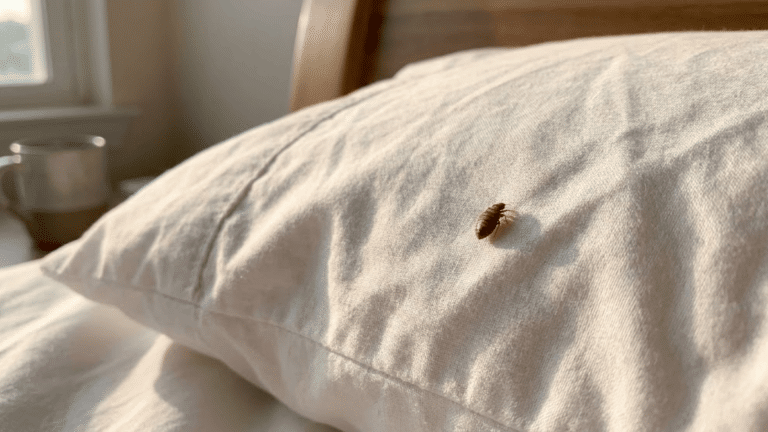
Most people hear the words “bed bugs” and assume there is only one kind. In reality, several closely related species exist, and many of them look almost identical at first glance. Some prefer feeding on humans, while others mainly target birds or bats. However, under the right conditions, many of these pests can still end up inside homes, apartments, and hotels.
Understanding the different types of bed bugs is important because proper identification affects treatment decisions. A pest that looks like a bed bug may actually behave very differently, and using the wrong control method can waste time and money while allowing the infestation to grow.
Bed bugs are small, secretive, and excellent at hiding. Once they establish themselves indoors, they can spread quickly through furniture, luggage, clothing, and wall voids. That is why early identification matters so much.
Why Bed Bugs Are Often Misidentified
Bed bugs belong to a group of insects called Cimicidae. Several species within this family share similar characteristics:
- Flat, oval-shaped bodies
- Reddish-brown coloring
- No wings
- Nocturnal feeding habits
- Small size that allows them to hide easily
To the untrained eye, many bed bug types look nearly identical. Some species require magnification or professional inspection to distinguish properly.
People also commonly confuse bed bugs with:
- Carpet beetles
- Fleas
- Bat bugs
- Spider beetles
- Ticks
Unfortunately, misidentification can delay effective treatment. Some DIY methods target the wrong pest entirely, allowing the real infestation to continue spreading behind walls, inside mattresses, or under flooring.
The Common Bed Bug
The most widespread and well-known species is the common bed bug, scientifically called Cimex lectularius.
This is the species most often found in homes, apartments, hotels, dormitories, and public transportation across Canada and the United States.
Common bed bugs prefer feeding on humans and thrive in indoor environments where people sleep regularly. They hide close to their food source during the day and typically emerge at night to feed.
Signs of an infestation often include:
- Small bite clusters on exposed skin
- Tiny blood spots on bedding
- Dark fecal stains near mattress seams
- Shed skins or eggs
- A musty odor in heavier infestations
One reason this species spreads so effectively is its ability to survive for long periods without feeding. In some cases, adult bed bugs can live for months between meals.
Tropical Bed Bugs
Another one of the different types of bed bugs is the tropical bed bug, known scientifically as Cimex hemipterus.
This species is more common in tropical and subtropical climates, although international travel has increased sightings in many regions outside traditional warm-weather areas.
Tropical bed bugs behave similarly to common bed bugs. They feed on humans, hide in furniture and bedding, and spread rapidly when left untreated.
The biggest challenge is that most homeowners cannot visually tell the difference between tropical and common species without professional inspection.
As travel increases globally, pest control professionals have seen more cases involving uncommon bed bug types appearing far from their typical regions.
Bat Bugs
Bat bugs are among the most commonly misidentified pests in homes.
They closely resemble common bed bugs but primarily feed on bats rather than humans. Problems usually begin when bats roost inside attics, chimneys, or wall cavities. Once the bats leave or are removed, the bat bugs may start searching for alternative food sources, including people.
Although they can bite humans, bat bugs cannot survive long-term on human blood alone.
One important difference is that bat bugs have longer hairs on their bodies than true bed bugs. However, this difference is extremely difficult to identify without magnification.
Because of this, many homeowners mistake bat bug infestations for traditional bed bug problems.
Swallow Bugs and Bird-Associated Species
Certain bird-related pests also belong to the broader family of bed bug relatives.
Barn swallow bugs, for example, commonly live in bird nests and are associated with cliff swallows or barn swallows. These insects occasionally enter homes when birds migrate away from nesting areas.
Like other bed bug types, swallow bugs feed on blood and hide in cracks or nesting materials. Once their primary host disappears, they may begin moving indoors.
Bird-associated bugs are often found in:
- Attics
- Rooflines
- Chimneys
- Garages
- Exterior wall voids
This is one reason pest control professionals often inspect roofs and nesting areas during bed bug-related investigations.
Mexican Chicken Bugs
The Mexican chicken bug is another species related to bed bugs, though it primarily feeds on poultry and birds.
These pests are more commonly associated with farms, barns, and agricultural settings rather than residential homes. However, they still resemble traditional bed bugs closely enough to create confusion.
Like many different types of bed bugs, they are small, flat, and excellent at hiding during daylight hours.
People living near poultry operations or rural properties may occasionally encounter them indoors if nearby nesting areas become overcrowded or disturbed.
Why Bed Bugs Spread So Easily
Unlike many household pests, bed bugs are expert hitchhikers. They do not need dirt or poor hygiene to invade a home.
They commonly spread through:
- Luggage after travel
- Used furniture and mattresses
- Shared laundry facilities
- Apartment wall voids
- Public seating or transportation
Even clean, well-maintained homes can develop infestations.
One of the biggest misconceptions about bed bugs is that they only affect neglected properties. In reality, hotels, condos, offices, and luxury homes can all experience infestations.
That is why companies like We Clean Pest Control focus heavily on fast identification and targeted treatment rather than assumptions about cleanliness.
How To Tell If You Have Bed Bugs
Bed bugs are nocturnal and extremely good at hiding. Most people do not actually see the insects at first. Instead, they notice indirect signs.
Here are some of the most common indicators:
- Bites appearing overnight
- Rust-colored stains on sheets
- Tiny black spotting near mattresses
- Live bugs hiding in seams or cracks
- Itchy skin irritation
- A sweet or musty odor in larger infestations
However, bites alone are not enough for confirmation. Skin reactions vary widely between individuals, and many other insects can produce similar marks.
Professional inspections are often the fastest way to confirm which bed bug types may actually be present.
Why DIY Bed Bug Treatment Often Fails
Bed bugs are incredibly resilient pests. Store-bought sprays may kill visible insects but fail to eliminate eggs or hidden populations inside walls and furniture.
Improper treatment can even make the problem worse by scattering the infestation into new areas of the home.
Many homeowners also underestimate how quickly bed bugs reproduce. A small problem can turn into a major infestation within weeks under the right conditions.
Professional treatment becomes especially important when:
- Multiple rooms are affected
- Infestations keep returning
- Apartment buildings are involved
- Travel exposure continues
- DIY methods stop working
In some cases, specialized solutions like heat treatment may be recommended because they can target hidden insects without relying entirely on chemical applications.
Homeowners searching for bed bug removal in Edmonton are often surprised to learn that proper identification is the first and most important step before any treatment begins.
Frequently Asked Questions
Are all bed bugs the same?
No. Several species and closely related insects exist. Some feed primarily on humans, while others prefer birds or bats.
Can bird bugs or bat bugs live on humans permanently?
Usually not. Most bird- and bat-associated species prefer their natural hosts and struggle to survive long-term on human blood alone.
Do bed bugs only live in dirty homes?
No. Bed bugs can infest clean homes, hotels, apartments, and businesses. They spread mainly through travel and shared belongings.
Can bed bugs go away on their own?
Unfortunately, no. Bed bug infestations typically grow larger over time without proper treatment.
Understanding Bed Bugs Makes Treatment Easier
The different types of bed bugs may look similar, but their behavior, preferred hosts, and hiding locations can vary significantly. Correct identification helps ensure the right treatment strategy is used from the start.
Whether the problem involves common bed bugs, bat bugs, or another related species, early action matters. The longer these pests remain untreated, the more difficult and expensive elimination usually becomes.
Learning how to recognize warning signs, understand bed bug types, and respond quickly can help protect your home before a small issue turns into a major infestation.
