
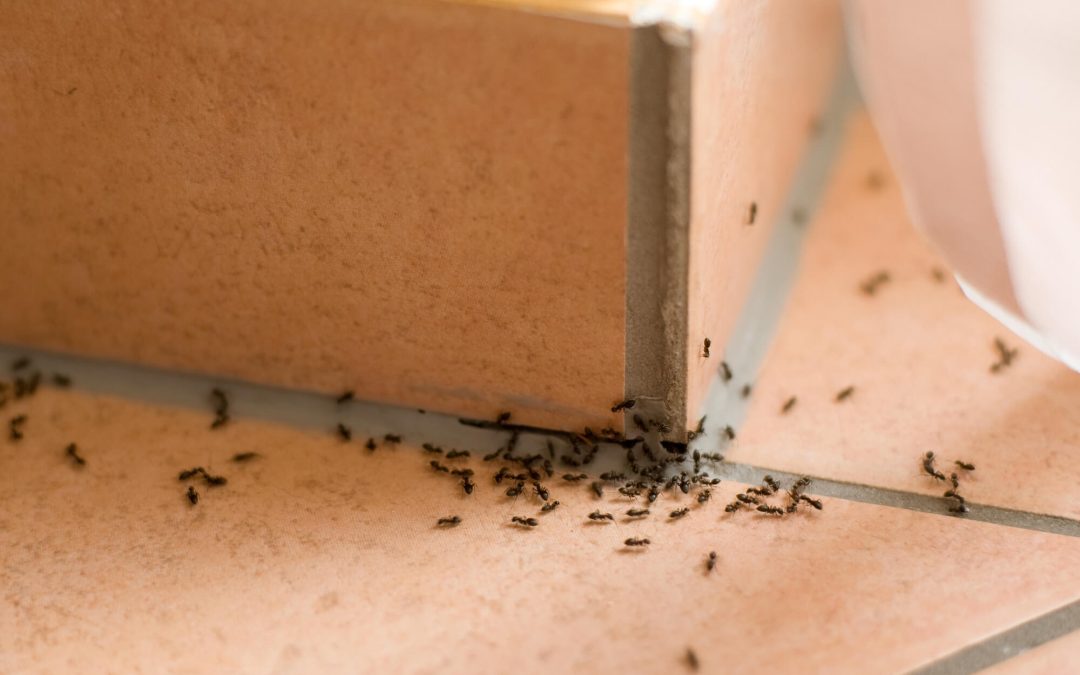
Most homeowners eventually deal with ants at some point. It usually starts small. A few ants near the kitchen sink. A trail along the baseboard. Tiny black insects appearing around pet food or crumbs.
Then suddenly, there are dozens.
The problem with ants is not just the insects you can see. Ant colonies often contain thousands of ants hidden behind walls, under floors, or outside near the foundation. That is why identifying the types of ants in home environments is so important before treatment begins.
Different ant species behave differently. Some contaminate food. Others damage wood. Some are mostly harmless nuisances, while others can create expensive structural problems over time.
Understanding the most common types of house ants can help homeowners respond faster and avoid larger infestations later.
Why Ants Enter Homes in the First Place
Ants come indoors for simple reasons: food, water, and shelter. Even a clean home can attract ants if there are crumbs, moisture, or easy entry points nearby.
In Alberta, ant activity usually increases during spring and summer. Changes in weather can also push colonies indoors, especially after heavy rain or long dry periods.
Once ants find a reliable food source, they leave scent trails behind. That trail helps the rest of the colony follow the same path into your home.
The Most Common Types of Ants in House Environments
Not all ants are the same. Identifying the specific species helps determine the best control strategy.
Carpenter Ants
Carpenter ants are one of the most concerning types of house ants because they can damage wood structures.
They are usually:
- Large in size
- Black, red, or reddish-black
- Most active at night
Unlike termites, carpenter ants do not eat wood. Instead, they tunnel through it to build nests.
You may notice:
- Rustling sounds inside walls
- Piles of wood shavings
- Large ants near windows or sinks
- Increased activity around damp wood
Moisture problems often attract carpenter ants first. Damaged wood near bathrooms, basements, or leaking windows is especially vulnerable.
Odorous House Ants
These ants are among the most common types of house ants found in kitchens and bathrooms.
They are tiny, dark brown or black, and known for producing a rotten smell when crushed.
Odorous house ants are mainly nuisance pests, but they contaminate food surfaces and spread quickly inside homes.
They are strongly attracted to sugary foods and moisture.
Pavement Ants
Pavement ants usually nest under sidewalks, driveways, patios, and concrete slabs.
They commonly enter homes through:
- Foundation cracks
- Gaps near doors
- Basement openings
These ants are small and dark-colored. Many homeowners first notice them near kitchens or along window frames.
Although pavement ants do not cause structural damage, large infestations become difficult to control without proper treatment.
Pharaoh Ants
Pharaoh ants are especially problematic in apartments, condos, hotels, and healthcare environments.
They are tiny yellowish ants that spread rapidly between units through walls and utility lines.
Improper treatment can actually make the infestation worse by causing colonies to split into multiple nests.
This is one reason professional identification matters when dealing with certain types of ants in home situations.
Field Ants
Field ants are often mistaken for carpenter ants because of their size.
However, field ants usually nest outdoors in soil rather than inside wood structures.
They may still enter homes searching for food or water, especially during warmer months.
Signs You Have an Ant Infestation
Ants are not always obvious immediately. Sometimes the early signs are subtle.
Watch for:
- Visible ant trails
- Small piles of dirt or debris near walls
- Ants repeatedly appear near water sources
- Increased activity after rain
- Wood shavings near windows or baseboards
- Ants around garbage or pantry areas
Many homeowners only notice worker ants, but the colony itself may be hidden far from where activity appears.
That is why surface sprays alone rarely solve the problem completely.
Why DIY Ant Control Often Fails
One of the biggest mistakes people make is killing only the visible ants.
Store-bought sprays may eliminate workers temporarily, but they often do not reach the nest or queen. In some cases, improper treatment causes colonies to split and spread further.
Different types of ants in house environments require different solutions.
For example:
- Carpenter ants require locating nesting areas
- Pharaoh ants need specialized bait strategies
- Pavement ants often require exterior treatment around foundations
Without proper identification, homeowners frequently waste time and money treating the wrong problem.
How To Prevent Ants From Entering Your Home
Prevention is one of the most effective long-term strategies.
Here are several ways to reduce the risk of infestations:
Eliminate Food Sources
Ants are constantly searching for food. Small crumbs, sticky spills, or uncovered snacks can quickly attract them.
Pay extra attention to kitchens, pantries, garbage areas, and pet feeding stations. Wiping surfaces regularly and storing food in sealed containers can make a big difference.
Even small amounts of food left overnight may encourage ants to return repeatedly.
Reduce Moisture Problems
Many ants are attracted to damp areas. Moisture gives them access to water and often points to soft wood or hidden nesting spots.
Check your home for leaking pipes, condensation, or standing water around the foundation. Basements, kitchens, and bathrooms are common trouble areas. This also reduces the risk of other pest issues later.
Seal Entry Points
Ants can enter through tiny cracks that most homeowners never notice.
Look around windows, doors, utility lines, and foundation gaps for possible openings. Small spaces around pipes or damaged weather stripping are common entry points.
Sealing these areas helps stop ants before they get inside and makes long-term prevention much easier.
Trim Outdoor Vegetation
Branches and plants touching the home create easy pathways for ants. Keep shrubs and tree branches trimmed away from siding and roofing areas whenever possible.
When Ant Problems Become Serious
Some infestations are more than just a nuisance.
Carpenter ants, for example, can create significant structural damage if colonies remain active inside walls for long periods.
Large recurring infestations may also indicate hidden moisture problems or structural vulnerabilities.
If you repeatedly notice ants despite cleaning and DIY treatments, it is usually a sign that the colony itself was never eliminated.
This is often when homeowners contact professionals like We Clean Pest Control for a proper inspection and treatment plan.
Why Professional Identification Matters
The challenge with types of ants in home infestations is that many species look similar to untrained eyes.
Misidentifying ants can lead to:
- Ineffective treatment
- Worsening infestations
- Unnecessary chemical use
- Ongoing structural damage
Professional inspections focus not only on the visible ants, but also on:
- Nest locations
- Entry points
- Moisture conditions
- Colony size
- Long-term prevention
For larger infestations, especially in multi-unit buildings, working with an experienced ant exterminator in Edmonton often prevents recurring issues that DIY products fail to solve.
Seasonal Ant Activity in Alberta
Ant activity changes throughout the year.
Spring
Colonies become active as temperatures rise. Many ants begin searching aggressively for food indoors.
Summer
This is peak activity season. Colonies expand rapidly, and indoor sightings increase.
Fall
Some ants move indoors seeking warmth before colder weather arrives.
Winter
Indoor infestations may continue if colonies are established within heated structures.
Understanding these seasonal patterns helps homeowners act earlier before infestations grow larger.
Frequently Asked Questions About House Ants
What are the most common types of ants in house settings?
Carpenter ants, odorous house ants, pavement ants, and pharaoh ants are among the most common species found in Alberta homes.
Are carpenter ants worse than regular ants?
Yes. Carpenter ants can damage wood structures over time by tunneling through damp or weakened wood.
Why do ants keep coming back after spraying?
Most sprays only kill visible worker ants. The colony and queen often remain hidden and continue reproducing.
When should I call a professional for ant control?
If ants repeatedly return, spread to multiple rooms, or involve carpenter ants, professional treatment is usually the safest and most effective option.
Stopping Ant Problems Before They Grow
Ant infestations rarely stay small for long. Colonies grow quickly, especially during warmer months, and surface-level treatments often fail to solve the root problem.
The key is identifying the specific types of house ants involved and addressing the conditions attracting them in the first place.
With proper prevention, early action, and targeted treatment, homeowners can avoid larger infestations, structural damage, and the frustration of constantly seeing ants return.
