
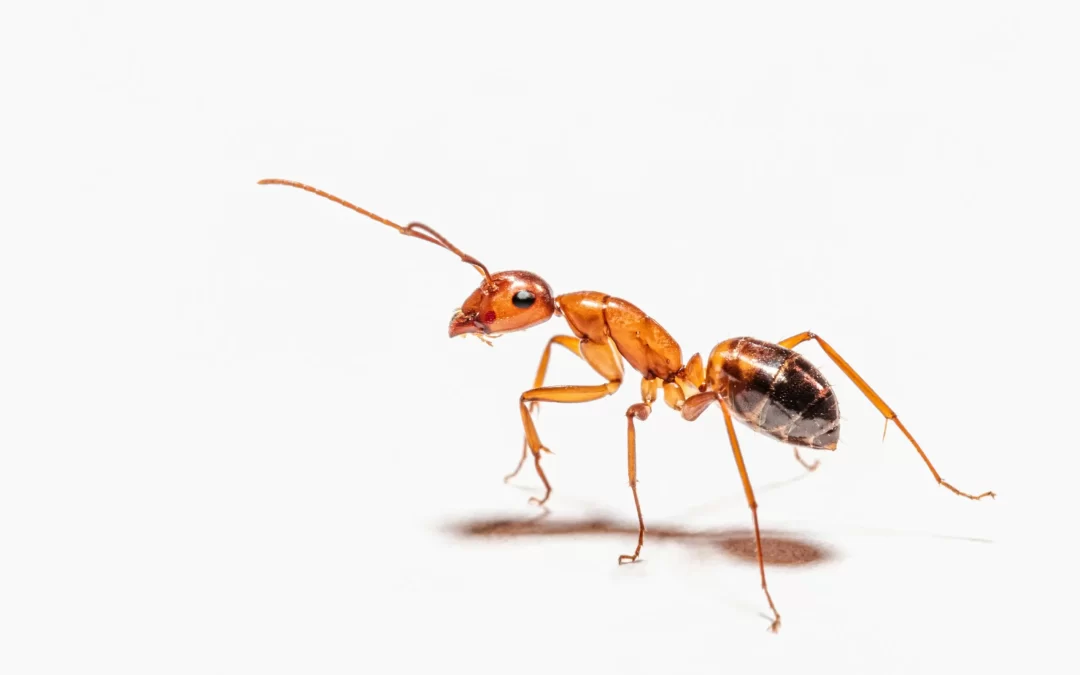
Seeing a few ants in your kitchen may not seem like a big deal at first. But if those few ants keep returning, or their numbers grow every day, it usually means they have found exactly what they were looking for.
Ants rarely wander indoors by accident. They enter homes because they have identified reliable sources of food, water, or shelter. Once one worker ant discovers a suitable location, it leaves behind a scent trail that guides the rest of the colony to the same spot.
For homeowners in Edmonton, ant activity typically increases in spring and summer as colonies become more active and begin searching for resources. Understanding what attracts ants is the first step toward preventing an infestation before it becomes difficult to manage.
Why Are Ants Coming Into My House?
Ants are constantly searching for three basic needs: food, moisture, and a safe place to nest. If your home provides one or more of these, worker ants will continue returning until the colony has established a dependable route.
Unlike many other pests, ants communicate exceptionally well. As they travel, they release pheromones that create invisible trails. Every successful trip strengthens the trail, encouraging even more ants to follow.
This is why spotting a single ant on your counter can quickly turn into dozens over the following days.
In Edmonton, changing weather can also influence ant activity. Heavy rain may flood outdoor nests, while prolonged dry periods encourage ants to search for moisture inside homes.
What Attracts Ants the Most?
One of the most common questions homeowners ask is what are ants attracted to inside a house.
Although different species have slightly different preferences, most ants are drawn to the same basic conditions.
The biggest attractants include:
- Food crumbs, spills, and sticky residues
- Water from leaks, condensation, or damp areas
- Easy entry through cracks and small openings
- Warm, sheltered places to establish colonies
Even if your home appears clean, something as simple as a few crumbs under an appliance or an unnoticed plumbing leak can be enough to attract foraging ants.
The goal isn’t perfection. It’s making your home less rewarding than the alternatives outside.
What Foods Attract Ants?
People often associate ants with sugar, but their diet is much more varied.
Worker ants need carbohydrates for quick energy, while developing larvae require proteins and fats. That means different foods may attract ants at different times of the year.
Common household foods that attract ants include:
- Sweet drinks and fruit juice
- Honey, syrup, and jam
- Bread and baked goods
- Pet food left out overnight
- Grease around stovetops
- Meat scraps and cheese
- Ripe fruit stored on countertops
Even tiny amounts can be enough. A few drops of juice behind a garbage bin or crumbs under the toaster may provide food for hundreds of foraging ants.
Cleaning visible surfaces is helpful, but paying attention to hidden areas often makes the biggest difference.
Are Ants Attracted to Water?
Yes.
Like every living creature, ants need water to survive. While food usually brings them inside first, moisture helps keep them there.
Bathrooms, kitchens, laundry rooms, and basements often provide ideal conditions because they contain plumbing, condensation, or higher humidity.
Common moisture sources include:
- Leaking pipes
- Dripping faucets
- Damp wood
- Wet sponges
- Standing water around sinks
- Condensation near windows
Moisture becomes even more important for certain species. For example, what attracts carpenter ants is often not food alone but damp or water-damaged wood that makes nesting much easier.
This is why repairing leaks quickly helps with both home maintenance and pest prevention.
How Do Ants Get Into a House?
Ants don’t need large openings to enter a building.
Because of their size, they can squeeze through tiny gaps that most homeowners never notice.
Common entry points include:
- Cracks in foundations
- Gaps beneath doors
- Window frames
- Utility pipe openings
- Damaged weather stripping
- Small openings in siding
Tree branches touching the roof can also provide ants with an easy bridge into upper levels of a home.
Sealing these access points won’t eliminate an existing colony, but it can significantly reduce future invasions.
Are Ants Worse in Spring and Summer in Edmonton?
Yes. Most homeowners notice ant activity increase as temperatures rise.
During spring, colonies become active after winter and begin sending worker ants to search for food. By summer, colonies are larger and require more resources to feed developing larvae.
Weather also plays a role. Heavy rain may flood outdoor nests and force ants to relocate, while extended dry weather encourages them to search indoors for reliable sources of water.
This seasonal pattern is why many Edmonton residents first notice ants between late April and early August.
How Can You Stop Attracting Ants?
Completely eliminating ants from the environment isn’t realistic, but you can make your home much less appealing.
The most effective prevention strategies focus on removing the things ants need to survive.
Here are some simple habits that make a noticeable difference:
- Wipe up food spills as soon as they happen.
- Store dry foods, sugar, and pet food in sealed containers.
- Repair leaking faucets and plumbing.
- Empty garbage regularly and keep bins clean.
- Seal cracks around doors, windows, and foundations.
- Trim shrubs and tree branches that touch your home.
- Clean under appliances where crumbs often collect.
Consistency matters more than perfection. Small improvements throughout the home often have a greater impact than occasional deep cleaning.
Can I get rid of ants without professional treatment?
Small ant problems may be resolved by removing food sources, repairing moisture issues, cleaning pheromone trails, and sealing entry points. However, if ants continue returning or carpenter ants are suspected, contacting an experienced ants exterminator in Edmonton is usually the fastest way to identify the colony and prevent a larger infestation.
When Is It Time to Call a Professional?
A few ants near an open window don’t always indicate an infestation.
However, recurring activity usually means the colony has found a reliable food source or is nesting nearby.
You should consider a professional inspection if:
- You continue seeing ants every day despite cleaning.
- Ant trails reappear in the same locations.
- You notice large black ants that may be carpenter ants.
- Ants are appearing in multiple rooms.
- You discover ants emerging from walls or wooden structures.
At this stage, simply killing the ants you see is unlikely to solve the underlying problem.
If the activity continues, pest control in Edmonton can help identify the species, locate the source of the infestation, and recommend the most appropriate treatment rather than relying on trial and error.
Why Correct Identification Matters
Not every ant should be treated the same way.
Most common household ants are primarily searching for food and can often be managed by removing attractants and sealing entry points.
Carpenter ants are different. They may indicate moisture problems inside walls or structural wood and require a more thorough inspection.
At We Clean Pest Control, we always recommend identifying the species before beginning treatment. Understanding why ants entered your home leads to more effective, long-lasting solutions instead of temporary fixes.
Keep Your Home Less Attractive to Ants
Ants don’t invade homes randomly. They’re responding to opportunities. Food, water, warmth, and shelter all encourage them to keep coming back, especially during Edmonton’s warmer months.
Understanding what attracts ants helps you address the real cause instead of simply treating the symptoms. Cleaning up crumbs, fixing moisture problems, sealing entry points, and monitoring for early signs of activity can prevent many infestations before they grow.
If ants continue returning despite your efforts, or if you suspect carpenter ants may be nesting inside your home, it’s worth having the problem properly identified. At We Clean Pest Control, we help homeowners throughout Edmonton determine why ants are entering their homes and recommend solutions based on the specific species and level of activity. Acting early often means a quicker resolution and a lower chance of the infestation becoming more difficult to manage.
