
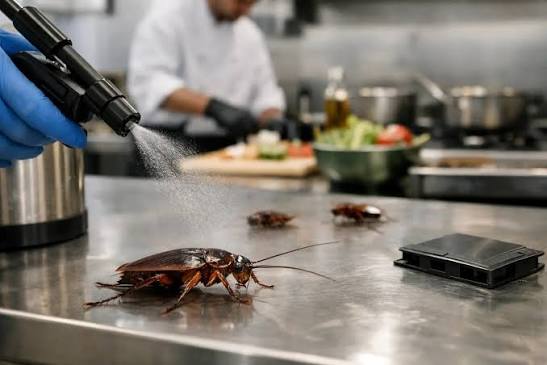
Few things can damage a restaurant’s reputation faster than a cockroach sighting. Whether it happens in the dining area or behind the scenes, customers often assume one thing: if they saw one cockroach, there are probably more.
While that assumption is not always correct, it should never be ignored. Cockroaches reproduce quickly, hide extremely well, and can spread bacteria by moving between garbage, drains, food preparation surfaces, and storage areas. In restaurants, even a small infestation can become a serious food safety issue if it is not addressed early.
The good news is that cockroach infestations are preventable. Understanding why they happen is the first step toward keeping your restaurant clean, compliant, and pest-free.
Why Are Cockroaches Common in Restaurants?
Restaurants naturally provide everything cockroaches need to survive: food, water, warmth, and shelter.
Unlike homes, commercial kitchens operate for long hours, generate heat throughout the day, and often have hidden spaces where crumbs, grease, and moisture accumulate. These conditions create an ideal environment for cockroaches to hide and breed.
Common factors that attract cockroaches include:
- Food debris behind cooking equipment
- Grease buildup under appliances and exhaust systems
- Standing water from plumbing leaks
- Cardboard boxes used for deliveries
- Overflowing garbage or recycling bins
- Cluttered storage rooms with limited cleaning access
Even restaurants with excellent hygiene can accidentally introduce cockroaches through deliveries or neighbouring businesses.
Do All Restaurants Have Cockroaches?
This is one of the most common questions restaurant owners ask.
The short answer is no. Do all restaurants have cockroaches? Absolutely not.
However, every restaurant faces some level of risk because food service businesses receive regular deliveries, generate food waste, and operate in environments that naturally attract pests.
The difference is how quickly problems are identified and managed.
A well-maintained restaurant with regular inspections, proper sanitation, and preventive maintenance is far less likely to develop a significant infestation than one that only reacts after customers report seeing pests.
What Are the First Signs of a Cockroach Infestation?
Cockroaches are nocturnal, so they usually stay hidden during business hours. By the time employees begin seeing them during the day, the infestation may already be well established.
Watch for these early warning signs:
- Small black droppings that resemble coffee grounds
- Egg cases hidden behind equipment
- A persistent musty odour
- Shed skins near walls or appliances
- Live cockroaches after closing or before opening
- Grease-like smear marks along walls or corners
Finding a single cockroach in restaurant kitchens should always trigger a thorough inspection rather than being dismissed as an isolated incident.
Where Do Cockroaches Usually Hide?
One reason cockroaches are difficult to eliminate is that they spend most of their lives in places people rarely inspect.
Some of their favourite hiding spots include:
- Behind refrigerators and freezers
- Under ovens, fryers, and dishwashers
- Inside electrical equipment
- Around plumbing penetrations
- Floor drains
- Storage shelves
- Wall voids and ceiling spaces
- Behind baseboards
Because many of these areas remain warm and undisturbed, cockroaches can reproduce for weeks before anyone notices them.
How Do Cockroaches Get Into Restaurants?
Many infestations begin long before the first insect is spotted.
Cockroaches commonly enter restaurants through:
- Food and beverage deliveries
- Cardboard boxes and pallets
- Utility openings around pipes and wiring
- Floor drains connected to sewer systems
- Doors left open during deliveries
- Shared walls in shopping plazas or commercial buildings
At We Clean Pest Control, we often remind business owners that cleanliness alone cannot prevent every infestation. Preventing entry is just as important as maintaining sanitation once pests are inside.
How to Get Rid of Cockroaches in a Restaurant
If cockroach activity is confirmed, acting quickly helps prevent a small problem from becoming a major infestation.
An effective approach typically includes several steps rather than relying on a single treatment.
Improve sanitation
Daily cleaning should extend beyond visible surfaces.
Grease beneath cooking equipment, food residue under shelving, and spills behind appliances provide enough food for cockroaches to survive. Deep cleaning these overlooked areas is essential.
Eliminate moisture
Cockroaches need water almost as much as food.
Repair leaking pipes, improve ventilation around dishwashing areas, empty standing water, and address condensation wherever possible.
Seal entry points
Inspect walls, utility penetrations, flooring, and door frames for gaps that allow pests to enter or move throughout the building.
Monitor activity
Sticky monitoring traps placed behind equipment and near suspected hiding places help identify where cockroaches are most active and whether treatment is working.
Can You Get Rid of Cockroaches Without Professional Help?
For very small infestations, sanitation improvements and commercial bait products may reduce activity.
However, restaurants present unique challenges.
Food safety regulations, hidden harbourage areas, and continuous business operations often make DIY treatments less effective than expected. Spraying visible insects rarely addresses the colony hidden behind walls or equipment.
Businesses searching for how to get rid of cockroaches in restaurant kitchens should focus on identifying the source of the infestation rather than simply eliminating the insects they can see.
Why Sprays Alone Usually Don’t Solve the Problem
Many restaurant owners instinctively reach for aerosol sprays after spotting a cockroach.
Unfortunately, sprays usually kill only exposed insects while leaving eggs and hidden populations untouched.
In some situations, improper spraying may even push cockroaches deeper into walls, making them harder to locate later.
For long-term restaurant cockroach control, integrated strategies that combine sanitation, monitoring, exclusion, and targeted treatment consistently produce better results than relying on sprays alone.
How Can Restaurants Prevent Cockroaches Long-Term?
The best defence is prevention.
Restaurants that build pest prevention into their daily operations are much less likely to experience recurring infestations.
Good preventive practices include:
- Inspect every delivery before bringing it into storage.
- Store food in sealed containers whenever possible.
- Clean under equipment on a scheduled basis.
- Empty garbage regularly and keep waste areas clean.
- Repair plumbing leaks immediately.
- Seal cracks around pipes, walls, and doors.
- Train staff to report pest activity as soon as it is noticed.
Many businesses also schedule routine inspections as part of their overall commercial pest control in Edmonton strategy to detect problems before they become visible to customers.
When Should You Call a Professional?
Waiting until customers report seeing cockroaches usually means the infestation has already grown.
Professional inspections are recommended if:
- Cockroaches continue appearing after cleaning.
- Staff find egg cases or droppings.
- Multiple areas of the restaurant are affected.
- Activity is visible during the day.
- Previous treatments have failed.
Professional technicians can identify hidden harbourage sites, locate entry points, and recommend the most appropriate pest control for cockroaches while helping restaurants minimize disruption to daily operations.
Keeping Cockroaches Out Is Easier Than Eliminating Them
Cockroaches thrive where food, moisture, and shelter are consistently available, making restaurants one of their preferred environments. Fortunately, infestations are rarely caused by a single issue. They usually develop through a combination of unnoticed entry points, hidden food sources, and delayed detection.
By focusing on prevention, maintaining thorough sanitation practices, and responding quickly to early warning signs, restaurant owners can significantly reduce the risk of infestations. If cockroach activity continues despite these efforts, professional intervention can help identify the underlying cause and restore a safe environment for employees and guests alike.
Frequently Asked Questions
Can one cockroach mean there are more?
Possibly. While a single cockroach does not always indicate a large infestation, it should never be ignored. Cockroaches are highly secretive, so seeing one may mean others are hiding nearby.
Are cockroaches dangerous in restaurants?
Yes. Cockroaches can carry bacteria and contaminate food preparation surfaces, utensils, and stored ingredients. They may also trigger allergies in some individuals.
What attracts cockroaches the most?
Food residue, grease, standing water, clutter, and warm hiding places are the biggest attractants. Even small amounts of organic debris can support an infestation.
How often should restaurants inspect for cockroaches?
Restaurants should monitor for cockroach activity continuously and perform regular inspections, especially in kitchens, storage rooms, and waste areas. Routine professional inspections provide an additional layer of protection against infestations.
