
Waking up with itchy bites is frustrating enough. The bigger challenge is figuring out what caused them. Many homeowners immediately assume they have bed bugs, while others blame fleas, especially if they have pets. The problem is that these two pests can create similar symptoms, but they require very different treatment approaches.
If you’re wondering whether you’re dealing with bed bugs or fleas, knowing the key differences can help you take the right next steps and avoid wasting time on ineffective solutions.
What Is the Difference Between Bed Bugs and Fleas?
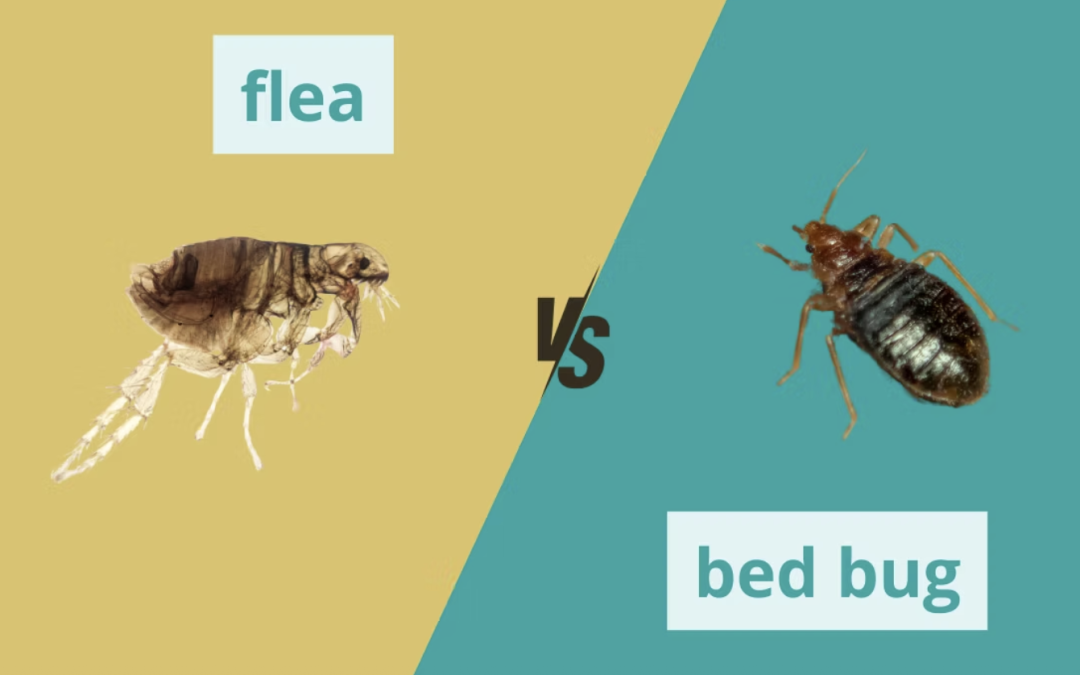
At first glance, bed bugs and fleas look similar. Both are small, brown insects that feed on blood. However, their appearance, behavior, and hiding places are very different.
Bed bugs are flat, oval-shaped insects about the size of an apple seed. Their bodies are broad and thin, allowing them to squeeze into mattress seams, bed frames, furniture cracks, and other narrow spaces. They cannot jump or fly and move by crawling.
Fleas are smaller and narrower when viewed from the side. They have powerful back legs designed for jumping and can leap surprisingly long distances relative to their size. Unlike bed bugs, fleas often live on animals and move quickly between hosts.
One of the simplest ways to tell them apart is movement. If the insect jumps, it is almost certainly a flea. If it crawls slowly and hides near sleeping areas, bed bugs are more likely.
How Can You Tell If You Have Bed Bugs or Fleas?
Many people never actually see the pests themselves. Instead, they notice bites, scratching, or signs around the home.
The location of the infestation often provides the biggest clue.
Bed bugs are usually found near where people sleep. Common hiding places include:
- Mattress seams and box springs
- Bed frames and headboards
- Upholstered furniture
- Cracks in walls and baseboards
Fleas tend to concentrate where pets spend time. Common hotspots include:
- Pet bedding
- Carpets and rugs
- Upholstered furniture
- Areas where pets sleep or rest
If your dog or cat is constantly scratching and you notice tiny jumping insects, fleas are the likely culprit. If bites appear after sleeping and you find dark spotting near your mattress, bed bugs become much more likely.
What Do Bed Bug Bites Look Like Compared to Flea Bites?
Bites alone cannot provide a guaranteed identification, but they often offer useful clues.
Bed bug bites frequently appear on areas exposed during sleep, such as the arms, shoulders, neck, and face. Many people notice bites arranged in a line or small cluster. This pattern occurs because bed bugs often feed multiple times during a single meal.
Flea bites usually appear around the ankles, lower legs, and feet. They often look like small red bumps with a darker center and can become itchy very quickly after the bite occurs.
There is one important limitation to keep in mind: not everyone reacts the same way. Some people develop noticeable welts from a single bite, while others show little or no reaction at all. Because of this, pest professionals rely on multiple signs rather than bite patterns alone.
Do Bed Bugs Stay on Your Body Like Fleas?
No.
This is one of the most misunderstood differences between these pests.
Bed bugs do not live on people. They hide near sleeping areas, emerge to feed, and then return to their hiding places.
Fleas also do not typically live on humans, but they often stay on animal hosts. Cats and dogs provide ideal environments where fleas can feed and reproduce. This is why flea infestations frequently start with pets before spreading into carpets, furniture, and other areas of the home.
If you find insects consistently on your pet’s fur, you’re likely dealing with fleas rather than bed bugs.
Where Do Bed Bugs and Fleas Come From?
Understanding how infestations start can help prevent future problems.
Bed bugs are expert hitchhikers. They often enter homes through:
- Luggage after travel
- Used furniture
- Shared laundry facilities
- Visitors carrying infested belongings
Fleas usually arrive through animals. Pets can pick them up outdoors, from other animals, or from infested environments. Wildlife such as squirrels, raccoons, and stray cats can also introduce fleas to residential properties.
Unlike bed bugs, fleas may survive outdoors for periods of time, particularly during warmer months.
What Are the Signs of a Bed Bug Infestation?
Many people assume bites are the first sign of bed bugs. In reality, physical evidence around the bed is often more reliable.
Watch for:
- Small dark spots on mattresses or bedding
- Tiny shed skins
- Live insects hiding in seams and crevices
- Small blood spots on sheets
- A growing number of bites after sleeping
One challenge with bed bugs is that infestations often remain hidden for weeks or months before becoming obvious. By the time bites become frequent, multiple generations may already be present.
This is one reason many homeowners seek professional bed bugs removal options instead of trying repeated DIY treatments that fail to reach hidden areas.
What Are the Signs of a Flea Infestation?
Fleas usually reveal themselves more quickly because they are active and mobile.
Common warning signs include excessive scratching in pets, visible fleas jumping on carpets or furniture, and small black specks known as flea dirt. These specks are flea droppings and often appear in pet bedding or fur.
You may also notice bites occurring throughout the day rather than only after sleeping.
Because fleas reproduce rapidly, a few visible adults may represent hundreds of eggs, larvae, and pupae hidden throughout the home.
When infestations become established, many homeowners eventually require a skilled fleas exterminator to eliminate all stages of the flea life cycle.
Which Pest Is Harder to Get Rid Of?
Both pests can be difficult, but for different reasons.
Bed bugs are challenging because they hide exceptionally well and can survive for months without feeding. Missing even a few insects during treatment can allow the infestation to continue.
Fleas are challenging because of their life cycle. While adult fleas may be eliminated relatively quickly, eggs and pupae can continue developing and emerge later if treatment is incomplete.
The most successful approach depends on accurate identification first. Treating for fleas when you actually have bed bugs, or vice versa, wastes time and often allows the infestation to grow.
At We Clean Pest Control, one of the first steps is confirming exactly which pest is present before recommending any treatment. Proper identification helps homeowners avoid unnecessary services and focus on the most effective solution.
Can You Have Bed Bugs and Fleas at the Same Time?
Yes, although it is relatively uncommon.
Homes with pets can occasionally experience both infestations simultaneously. In these situations, relying on bite patterns alone becomes especially difficult because symptoms may overlap.
A thorough inspection is usually necessary to identify all contributing factors and determine where each pest is living.
The good news is that the hiding places and behavior patterns of bed bugs and fleas are different enough that experienced technicians can typically distinguish between them quickly.
How to Prevent Bed Bugs and Fleas
Prevention starts with understanding how these pests enter your home.
For bed bugs:
- Inspect hotel rooms when traveling
- Check used furniture carefully before bringing it indoors
- Be cautious with second-hand mattresses
- Examine luggage after trips
For fleas:
- Follow your veterinarian’s recommended flea prevention program
- Vacuum carpets and upholstery regularly
- Wash pet bedding frequently
- Monitor pets for scratching or signs of fleas
Early detection remains one of the most effective ways to prevent a small problem from becoming a major infestation.
Frequently Asked Questions
Can fleas live in a bed like bed bugs?
Yes, fleas can be found in beds, especially if pets sleep there. However, fleas are more commonly concentrated in carpets, pet bedding, and areas where animals spend time. Bed bugs are much more closely associated with mattresses and sleeping areas.
Do bed bugs jump like fleas?
No. Bed bugs cannot jump or fly. They move by crawling. If you see a small insect making noticeable jumps, it is likely a flea.
Are flea bites worse than bed bug bites?
Not necessarily. Reactions vary from person to person. Some people experience intense itching from flea bites, while others react more strongly to bed bug bites.
Should I treat for bed bugs or fleas first if I’m not sure?
Neither. Accurate identification should come first. The treatments for bed bugs and fleas are different, and using the wrong approach often delays resolution of the problem.
Bed Bugs or Fleas? The Answer Matters More Than You Think
Bed bugs and fleas may both feed on blood, but their behavior, appearance, hiding places, and treatment requirements are very different. Looking at where bites occur, whether insects jump or crawl, and where activity is concentrated can provide important clues.
The sooner you identify the pest correctly, the easier it becomes to stop the infestation before it spreads. If you’re seeing unexplained bites, signs of pests around your home, or activity near sleeping areas or pets, a professional inspection can provide clear answers and a targeted plan to solve the problem before it gets worse.
