
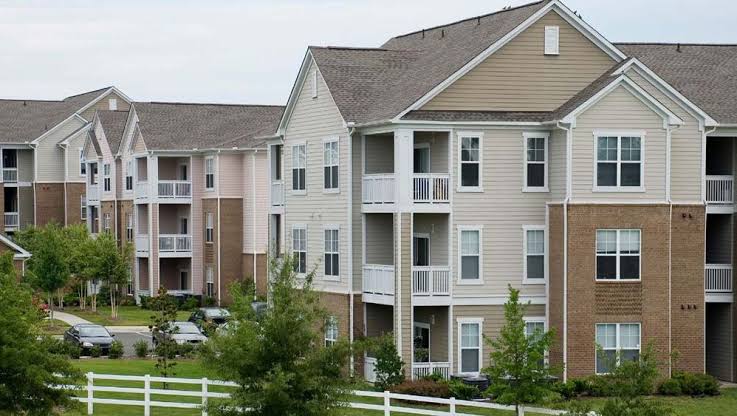
If you’ve ever wondered why a few cockroaches in one apartment can turn into a building-wide problem within weeks, you’re not alone. Pest infestations behave very differently in apartment buildings than they do in detached houses.
In a single-family home, pests are largely confined to one property. In an apartment building, however, dozens or even hundreds of units are connected through walls, ceilings, plumbing lines, utility chases, hallways, and shared amenities. What starts as a small issue in one unit can quickly affect an entire floor.
Why Are Apartment Buildings More Prone to Pest Infestations?
Apartment buildings create the ideal conditions for pests to survive and spread.
Unlike detached homes, multi-unit properties place many households within a relatively small space. This means pests have access to multiple food sources, water sources, and hiding spots without ever needing to leave the building.
Common factors that make apartment buildings vulnerable include:
- Shared walls and ceilings that allow pests to travel between units
- Plumbing and utility penetrations that create hidden pathways
- Frequent tenant turnover introducing pests through furniture and belongings
- Shared garbage areas that attract insects and rodents
- Different cleaning habits between neighboring units
A building can have one exceptionally clean apartment and still experience a serious infestation if pests are coming from adjacent units.
This is one reason apartment pest problems often surprise residents. The source may not be inside their own home.
Can Cockroaches Travel Between Apartments?
Yes. Cockroaches are among the most mobile pests found in apartment buildings.
German cockroaches, in particular, thrive in multi-family housing because they can move through tiny gaps around plumbing, electrical outlets, wall voids, and under doors. Once a population grows large enough in one unit, the insects naturally expand into neighboring apartments in search of food and shelter.
This migration often creates confusion.
A tenant may begin seeing cockroaches despite maintaining a clean home. In many cases, the insects are entering from another unit where conditions are allowing the population to grow.
Cockroaches spread especially quickly because they reproduce at an alarming rate. A single female German cockroach can produce hundreds of offspring during her lifetime. What appears to be a minor issue today can become a building-wide problem within months if not addressed properly.
This is why professional cockroaches extermination in Edmonton often requires inspections beyond the apartment where the initial complaint originated.
How Do Mice and Rats Move Through Apartment Buildings?
Rodents are surprisingly skilled at navigating apartment complexes.
Most people assume mice move through hallways or exterior entrances. In reality, they often travel unseen through wall cavities, suspended ceilings, utility shafts, and pipe chases.
Once inside a building, rodents can move between units without ever being noticed.
They are attracted by:
- Food left in kitchens and pantries
- Pet food stored in accessible areas
- Garbage rooms
- Warm mechanical spaces during winter
- Water leaks and condensation
Because apartment buildings offer all of these necessities in close proximity, rodents rarely need to leave once they establish themselves.
A mouse problem reported in one unit may indicate activity throughout an entire section of the building.
Why Do Bed Bugs Spread So Easily in Apartments?
Bed bugs are different from cockroaches and rodents because they primarily travel with people and belongings.
However, apartment buildings give bed bugs unique opportunities to spread.
They can move through:
- Wall voids
- Electrical outlets
- Shared laundry facilities
- Hallways
- Furniture moved between units
A common misconception is that bed bugs only affect cluttered or poorly maintained apartments. In reality, bed bugs are attracted to people, not dirt.
A spotless apartment can become infested if neighboring units contain active populations.
This is why apartment-wide communication and coordinated treatment plans are often necessary when bed bugs are discovered.
Treating a single unit while ignoring adjacent apartments frequently leads to reinfestation.
What Makes Apartment Pest Problems Harder to Eliminate?
The biggest challenge is that pests rarely respect property boundaries.
In a detached home, technicians can focus entirely on one structure. In an apartment building, the infestation may extend across multiple units before anyone realizes the full scope of the problem.
Several factors make treatment more complicated:
- The source unit may not be the unit reporting the issue.
- Some residents report problems immediately while others wait.
- Access may not be available to every apartment.
- Pests can temporarily relocate during treatment.
- Shared infrastructure creates countless hidden travel routes.
This is why successful apartment pest management focuses on the entire building ecosystem rather than individual sightings.
A cockroach seen in one kitchen may actually indicate a larger infestation several units away.
Do Older Apartment Buildings Have More Pest Problems?
Not necessarily, but older buildings often provide more opportunities for pests to move around.
Over time, structures develop gaps, cracks, settling damage, and utility penetrations that create ideal hiding places.
Older properties may also contain:
- Larger wall voids
- Aging plumbing systems
- Unsealed pipe openings
- More difficult-to-access maintenance areas
- Historical pest activity
That said, new buildings are not immune.
Modern apartment complexes can experience significant infestations if pests are introduced through moving boxes, second-hand furniture, deliveries, or neighboring units.
The age of the building matters less than how quickly problems are identified and addressed.
How Can Property Managers Prevent Building-Wide Infestations?
Prevention is almost always less expensive than dealing with a major outbreak.
The most effective property managers take a proactive approach instead of waiting for multiple complaints.
Key prevention measures include:
- Scheduling regular inspections
- Addressing moisture issues quickly
- Sealing gaps around plumbing and utility lines
- Monitoring garbage and recycling areas
- Educating tenants about early warning signs
- Investigating every pest complaint promptly
For apartment owners and landlords, prevention is not simply about reducing pest numbers. It also protects tenant satisfaction, property reputation, and long-term maintenance costs.
Effective multi-unit pest control programs focus on identifying patterns across the entire property rather than treating units individually as complaints arise.
Why Early Reporting Matters More in Apartment Buildings
One of the biggest mistakes residents make is assuming a single pest sighting is not worth reporting.
In a detached home, that assumption can be risky.
In an apartment building, it can affect dozens of households.
When tenants report activity early, pest professionals can identify migration routes, inspect surrounding units, and address the source before populations expand.
Delays create opportunities for reproduction and spread.
By the time residents begin seeing pests regularly during daylight hours, the infestation is often much larger than it appears.
Early intervention almost always results in simpler, faster, and less disruptive treatment.
The Importance of a Building-Wide Approach
Apartment pest problems are rarely isolated events.
The interconnected nature of multi-family housing means that successful pest management requires coordination between tenants, property managers, and pest professionals.
At We Clean Pest Control, we frequently see situations where the first reported unit is not the origin of the infestation. A thorough inspection often reveals activity elsewhere in the building that would have remained hidden without a comprehensive approach.
The goal is not simply to eliminate visible pests. It is to identify where they are breeding, how they are moving, and what conditions are allowing them to survive.
When those factors are addressed together, apartment buildings can maintain healthier and more comfortable living environments for everyone.
Frequently Asked Questions
Why do I have cockroaches if my apartment is clean?
Cockroaches can migrate from neighboring units through shared walls, plumbing openings, electrical outlets, and hallways. Cleanliness helps reduce attractants, but it does not prevent insects from entering from other parts of the building.
Can bed bugs spread from one apartment to another?
Yes. Bed bugs can move between units through wall voids, electrical conduits, hallways, and shared laundry facilities. They can also spread through furniture, clothing, and personal belongings.
Should an entire apartment building be inspected if one unit has pests?
Not always, but surrounding units should often be evaluated. Many infestations involve hidden activity beyond the apartment where the problem was first reported.
Are apartment pest infestations harder to treat than house infestations?
Generally, yes. Apartment buildings contain shared infrastructure and multiple occupants, which gives pests more opportunities to spread and makes identifying the source more challenging.

Recent Comments