
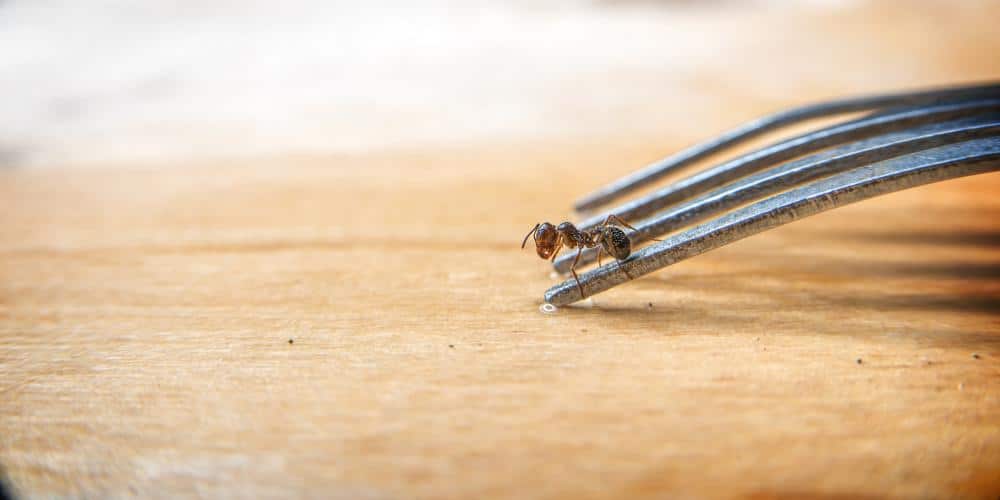
A single ant on a dining table or kitchen line is never just one ant. For food service operators, it is an immediate threat to your health inspection score, your online reviews, and your bottom line. Restaurants provide a perfect storm for these pests: warmth, moisture, and an endless supply of fats, proteins, and sugars.
When dealing with a commercial space, traditional retail sprays are not enough. A systemic approach is required to protect your reputation and your customers. At We Clean Pest Control, we know that managing a food establishment requires fast, discreet action that doesn’t disrupt your daily kitchen operations or your guests. This guide details exactly how to manage, prevent, and eliminate ants in a commercial food environment.
Why Food Establishments Are Prime Ant Targets
Ants possess a highly sophisticated chemical communication system. When a single scout finder locates a food source, it leaves a pheromone trail back to the colony. Within minutes, hundreds of workers follow that exact path.
In a restaurant, several factors make your space an attractive target:
- Constant Food Supply: Micro-crumbs behind the line, unprotected dry storage, and sugary drink syrups near soda fountains.
- Abundant Moisture: Commercial dishwashers, floor drains, leaky prep sinks, and ice machines create the humid conditions ants need to survive.
- Structural Entry Points: High foot traffic means doors open constantly. Utility lines, loose baseboards, and expansion joints offer easy access into walls.
Understanding how to get rid of ants in a restaurant means looking past the insects you see on the counter and focusing on the root causes attracting them inside.
Common Ant Species Found in Food Service
Different species require different strategies. Treating a sugar ant problem the same way you treat wood-boring ants will result in failed treatments and wasted money.
1. Odorous House Ants (Sugar Ants)
These small, dark brown or black pests are the most common invaders. They seek out sweets, fruits, and starches. When crushed, they release a distinct, rotten coconut odor. They nest in wall voids, beneath floors, and near hot water pipes.
2. Pharaoh Ants
These tiny, yellowish-or-tan ants are notoriously difficult to manage. They prefer proteins and greases. If you use a standard repelling chemical spray on Pharaoh ants, they experience a process called “budding.” The single colony fractures into multiple new colonies throughout your building, making the problem significantly worse.
3. Carpenter Ants
Large and typically black, these ants do not eat wood, but they chew through it to build galleries for their nests. If you notice clean wood shavings (frass) near wooden structural elements or support beams, you are likely dealing with a structural threat.
The Step-by-Step Blueprint: How to Get Rid of Ants in a Restaurant
To protect your kitchen and dining areas without disrupting daily operations, implement this targeted protocol.
1. Implement High-Standard Sanitation
Ants can sustain an entire colony on grease film behind a fryer or syrup buildup under a beverage station.
- Pull heavy equipment away from walls weekly to scrape away hidden grease and food debris.
- Use tight-fitting lids on all interior bins. Empty kitchen trash completely before closing down for the night, and wash the interior liners regularly.
- Organic slime gathers inside floor drains. Use an enzyme-based cleaner to strip away this food source.
2. Deny Access and Seal the Structure
Exclusion is your best long-term defense when learning how to deal with ants in a restaurant.
- Seal foundations and baseboards. Walk your perimeter with a tube of silicone caulk. Seal gaps around utility conduits, window frames, and back doors.
- If light can pass under an exterior kitchen door, ants can walk right through. Adjust or replace sweeps immediately.
- Ants frequently hitchhike into storage areas inside corrugated cardboard boxes from food suppliers. Unbox inventory outside the main kitchen area when possible.
3. Utilize Non-Repellent Baits
When dealing with an active indoor trail, do not use contact-killer sprays. Sprays only eliminate the 10% of the colony out foraging, leaving the queen and the remaining 90% safe underground to reproduce.
Instead, place professional-grade bait stations directly along established trails. The foraging ants eat the bait, carry it back to the nest, and feed it to the queen and larvae. This process completely collapses the colony from the inside out over a few days. Ensure bait stations are secured and placed away from food preparation surfaces to comply with local safety standards.
4. Train Your Staff on Early Detection
Your frontline defense is your team. Train dishwashers, line cooks, and servers to spot the early signs of pest activity. A logbook should be kept at the manager’s station to record the exact time, date, and location of any insect sightings. Finding a small trail in a dry storage room allows you to act before the insects make their way into the main dining room during a busy weekend rush.
Pest Control FAQ
How do I know if I have an ant infestation or just a few stray ants?
A lone ant is usually a scout. If you see them consistently in the same spot day after day, or if they are moving in a straight, deliberate line along walls or baseboards, a pheromone trail has been established. This means a colony is nearby and actively harvesting resources from your space.
Will professional ant treatments affect my kitchen production schedule?
Modern commercial protocols focus heavily on baiting and precise structural applications, which means your kitchen does not need to close down. Advanced treatments are odorless and placed discreetly out of reach of daily kitchen activity, keeping your operation running smoothly.
Why do ants keep returning to our dishwashing area even after cleaning?
The dishwashing station is a high-moisture zone. Ants are constantly hunting for water sources. Standing water under dish machines, leaky spray nozzles, or damp grout joints will attract them even if food particles are completely removed. Fixing minor plumbing leaks is a critical step in permanent pest removal.
How can we prevent ants from traveling between units in a shopping center or strip mall?
Shared walls make individual pest control difficult. To stop migration, focus heavily on structural exclusion. Seal every single gap where utility pipes, electrical wires, and gas lines pass through shared drywall. Work with property management to ensure neighboring units are also maintaining baseline sanitation standards.
When to Bring in Professional Commercial Help
If you have completed deep cleanings, deployed baits, and still see consistent activity, the infestation is likely rooted deep inside the structural voids of the building or originating from an adjacent property. This is when commercial expertise becomes necessary.
A professional ant exterminator in Edmonton can identify the precise species, map out the nest location, and deploy non-repellent commercial treatments that resolve the issue without requiring you to shut down your business or complete days of exhausting kitchen preparation.
