Spotting a black-and-yellow stinging insect around your home can be unsettling. The problem is that many people assume every wasp is the same, when in reality, the differences matter. If you are comparing a paper wasp vs yellow jacket, knowing which one you are dealing with can help you understand the level of risk, where the nest is likely to be, and whether it is safe to leave it alone.
Both species are found in Alberta and become most active during the warmer months. While they share similar colours, they behave very differently. Here is how to tell them apart and what to do if you find a nest around your property.
Paper Wasp vs Yellow Jacket: What Is the Main Difference?
At first glance, these insects can look almost identical. Both have black and yellow markings, wings, and a noticeable waist. However, a closer look reveals several important differences.
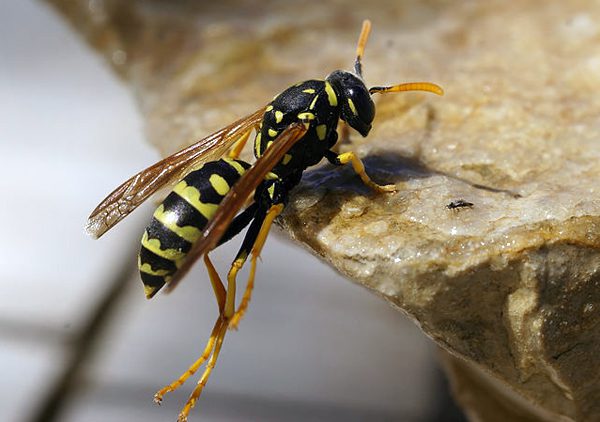
Paper wasps have long, slender bodies with thin legs that hang down while they fly. Their movements appear slower and more graceful. Yellow jackets are shorter, stockier, and fly much faster. Their legs stay tucked beneath their bodies during flight, making them appear more compact.
Behaviour is another major difference. Paper wasps generally avoid people unless their nest is disturbed. Yellow jackets are much more defensive and are far more likely to investigate food, drinks, or garbage during outdoor activities.
If you are trying to identify a yellow jacket vs paper wasp, appearance is helpful, but behaviour often provides the quickest clue.
How Can You Tell the Difference Between a Paper Wasp and a Yellow Jacket?
The easiest way to distinguish them is by looking at several features instead of relying on colour alone.
- Body shape: Paper wasps have a slim body with a narrow waist. Yellow jackets are thicker and more compact.
- Flight: Paper wasps fly with their legs dangling. Yellow jackets keep their legs tucked underneath.
- Antennae: Paper wasps often have orange or reddish antennae, while yellow jackets usually have black antennae.
- Behaviour: Paper wasps are typically calm away from the nest. Yellow jackets actively search for food around people.
- Activity around food: Yellow jackets commonly gather around meat, sugary drinks, fruit, and garbage. Paper wasps are more often seen visiting flowers or hunting insects.
These differences become easier to notice once you know what to look for.
Do Paper Wasps and Yellow Jackets Build Different Nests?
Yes, and nest location is often the biggest clue.
Paper wasps build open nests that resemble upside-down umbrellas or exposed honeycombs. Individual cells remain visible because there is no outer covering. These nests are commonly attached beneath roof overhangs, deck railings, porch ceilings, sheds, or fences.
Yellow jackets usually create enclosed nests that hide the comb inside a papery shell. Many species build underground using abandoned rodent burrows, while others establish colonies inside wall voids, attics, or dense shrubs.
Because underground nests are difficult to spot, people often discover them only after accidentally walking nearby.
For homeowners in Edmonton, this distinction is especially useful because yellow jacket colonies frequently appear in lawns, landscaped areas, and around foundations during late summer.
Which Wasp Is More Aggressive?
If your concern is getting stung, yellow jackets deserve more caution.
Paper wasps usually sting only when they believe their nest is under threat. They may fly around someone who gets too close, but they often retreat if given space.
Yellow jackets are much more territorial. They readily defend their colonies and may attack in groups if the nest is disturbed. Unlike honey bees, both paper wasps and yellow jackets can sting multiple times because they do not lose their stinger.
Aggression also changes throughout the season. Late summer and early fall often bring increased yellow jacket activity as colonies reach their largest size and natural food becomes less available. This is why outdoor meals suddenly seem to attract dozens of unwanted visitors.
If repeated wasp activity occurs around the same location every day, there is a good chance a nearby nest is responsible.
Are Paper Wasps Beneficial?
Surprisingly, yes.
Paper wasps help gardens by feeding on caterpillars, flies, and other insects that damage plants. Adults also visit flowers for nectar, providing a small amount of pollination.
Yellow jackets also hunt insects and can reduce certain pest populations. However, they are much more likely to become a nuisance around homes because they are attracted to human food and sugary beverages.
This creates a balancing act. A paper wasp nest located well away from people may not require immediate removal. A yellow jacket colony near a patio, children’s play area, or frequently used entrance presents a much higher safety concern.
At We Clean Pest Control, one of our priorities is correctly identifying the species before recommending any treatment. In many situations, proper identification prevents unnecessary work and ensures homeowners receive the most appropriate solution.
Why Are Yellow Jackets So Common Around Outdoor Food?
This is one of the most common questions homeowners ask during barbecue season.
Yellow jackets are opportunistic scavengers. Worker wasps search constantly for protein to feed developing larvae and sugary foods to fuel adult workers. That makes outdoor dining an easy target.
Common attractions include:
- Soft drinks and juice
- Barbecued meat
- Pet food left outdoors
- Fallen fruit
- Open garbage and recycling bins
Paper wasps may occasionally visit these food sources, but they spend much more time hunting insects or gathering nectar.
If several wasps repeatedly land on your food within minutes, yellow jackets are usually the culprit.
What Should You Do If You Find a Wasp Nest?
The safest response depends on where the nest is located.
A small paper wasp nest high on a tree branch may never interfere with daily activities. On the other hand, nests attached beside entry doors, decks, playgrounds, or air conditioning units create a greater chance of accidental encounters.
Underground yellow jacket nests deserve extra caution because they can be difficult to see until someone disturbs them.
Avoid these common mistakes:
- Spraying the nest from a close distance during the day.
- Knocking the nest down with a stick or garden hose.
- Blocking the nest entrance without removing the colony.
- Digging up an underground yellow jacket nest.
These actions often provoke defensive swarming and increase the risk of multiple stings.
If the nest is located near areas where people regularly walk or gather, professional wasp exterminator services in Edmonton are generally the safest option.
When Should You Call a Professional?
Not every wasp sighting requires immediate action, but certain situations should not be ignored.
Consider professional help if:
- The nest is attached to your home.
- Wasps are entering walls or attic spaces.
- You cannot safely identify the species.
- Someone in your household has a known sting allergy.
- The colony is located near children or pets.
- You notice increasing wasp activity each week.
Professional identification is particularly valuable because treatment methods can differ depending on whether the colony belongs to paper wasps or yellow jackets.
Frequently Asked Questions
Are paper wasps less aggressive than yellow jackets?
Yes. Paper wasps are generally less defensive and usually sting only when they believe their nest is threatened. Yellow jackets are more likely to defend their colony aggressively and may sting multiple times.
Can you tell the difference by looking at the nest?
Usually. Paper wasp nests have exposed honeycomb cells and no outer covering. Yellow jacket nests are enclosed inside a papery shell and are often hidden underground or inside structures.
Are yellow jackets active all summer?
Yes, but activity usually peaks in late summer and early fall. Colonies are largest during this period, and workers become more attracted to human food and drinks.
Should I remove a paper wasp nest myself?
If the nest is small and located far from people, it may not require removal at all. However, nests attached to homes or located near frequently used outdoor spaces should be assessed carefully, as disturbing them can trigger defensive stinging.
Knowing the difference between a paper wasp and a yellow jacket helps you respond appropriately instead of reacting out of fear. While both insects can sting, their nesting habits, behaviour, and risk to people are quite different. Correct identification is the first step toward deciding whether simple observation is enough or whether professional intervention is the safer choice.
