
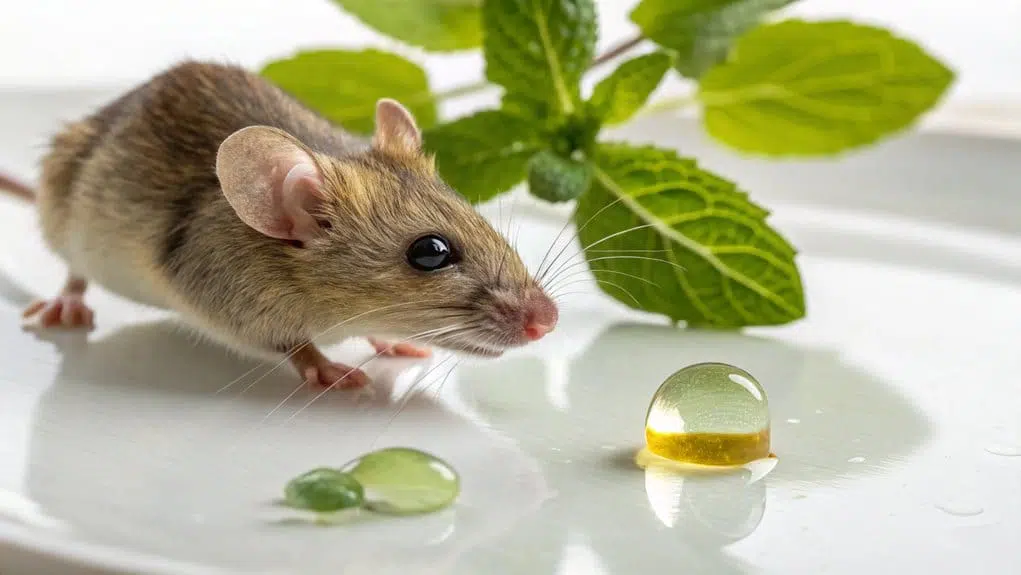
Hearing scratching inside the walls or finding tiny droppings in the pantry is enough to make any homeowner wonder how to get rid of mice quickly. Before turning to traps or professional treatment, many people search for natural solutions and ask the same question: what smells do mice hate?
Mice have an excellent sense of smell. They use it to locate food, avoid predators, and navigate their surroundings. Because of this, certain strong scents may discourage mice from exploring specific areas of your home.
However, there is an important difference between a smell that temporarily deters mice and one that actually solves an infestation. In this guide, we’ll explain which natural scents may help, how effective they really are, and when stronger action may be needed. The article is based on the topic and guidance you provided.
What Smells Do Mice Hate the Most?
Many strong scents are believed to make mice uncomfortable because they overwhelm their sensitive noses. While research on some natural repellents is mixed, several are commonly recommended as temporary deterrents.
Popular scents include:
- Peppermint oil
- Clove oil
- Cinnamon
- Vinegar
- Cayenne pepper
- Eucalyptus oil
- Ammonia
If you’re wondering what smell do mice hate, peppermint remains the most widely used option because it is easy to find, safe when used correctly, and much more pleasant for people than harsher alternatives.
Keep in mind that these smells work best before mice establish a nest. Once rodents have found food, water, and shelter, even unpleasant odours are often not enough to make them leave.
Does Peppermint Oil Really Repel Mice?
Peppermint oil is probably the best-known natural mouse repellent, but expectations should be realistic.
The strong mint scent may discourage mice from entering small spaces for a short time. Homeowners often soak cotton balls with peppermint oil and place them:
- Under sinks
- Inside cupboards
- Near suspected entry points
- In garages and sheds
- Along baseboards
As a natural mice repellent, peppermint oil works best as part of a prevention strategy rather than a complete solution. The scent fades quickly and usually needs to be refreshed every few days.
If mice are already nesting inside walls or attics, they are unlikely to abandon a safe nesting site because of peppermint alone.
Do Vinegar, Cinnamon, and Other Natural Scents Work?
Peppermint is not the only scent people try.
Several household products are believed to discourage rodents because of their strong odours.
Vinegar has a sharp smell that some homeowners use around entry points. Cinnamon and clove oil are also popular because their strong aromas may temporarily make an area less attractive.
Eucalyptus oil is another commonly recommended option, while cayenne pepper may irritate a mouse’s nose if placed near areas of activity.
Although these are among the smells mice hate, scientific evidence supporting long-term effectiveness is limited. Most natural repellents lose strength as they evaporate, and determined mice often adapt once they discover food nearby.
Are Mothballs or Ammonia Safe Mouse Repellents?
Some older home remedies involve using mothballs or dishes of ammonia.
While both produce strong odours, neither is an ideal solution for most households.
Mothballs contain chemicals intended to kill fabric pests, not rodents. To create enough fumes to affect mice, concentrations would likely become unsafe for people and pets as well.
Ammonia is sometimes believed to mimic the smell of predator urine, but it is also highly irritating. Prolonged exposure may affect the eyes, lungs, and respiratory system.
Because of these concerns, neither product is generally recommended as a primary method of mouse control inside occupied homes.
How Can You Repel Mice Naturally?
If you prefer to avoid chemical products, the most effective approach combines natural deterrents with good home maintenance.
Instead of relying on smells alone, focus on making your property less attractive to rodents.
Helpful steps include:
- Seal gaps around pipes, vents, windows, and foundations.
- Store food in airtight containers.
- Clean crumbs and spills promptly.
- Remove clutter that provides hiding places.
- Repair leaking pipes or standing water.
- Trim vegetation touching your home.
People searching for how to repel mice naturally often discover that eliminating food and shelter has a much bigger impact than adding scented products.
Why Do Smells Stop Working After a While?
One of the biggest frustrations with natural repellents is that they often appear to work for a few days before mice return.
There are several reasons for this.
Essential oils evaporate quickly, reducing their strength over time. Mice may also become accustomed to repeated smells, particularly if a reliable food source remains available.
Most importantly, mice are motivated by survival. If they have already built a nest inside your walls or attic, temporary discomfort from a scent is usually outweighed by the safety and warmth of the shelter they’ve already found.
At We Clean Pest Control, we often find that natural repellents delay action rather than solve the underlying problem because the entry points remain open.
When Should You Consider Professional Rodent Removal?
Natural repellents may help discourage occasional visitors, but they rarely eliminate an established infestation.
If you notice fresh droppings, scratching sounds at night, chewed food packaging, or repeated mouse sightings, the colony is likely already living somewhere inside the building.
In these situations, professional rodent removal services focus on more than simply removing the mice. Identifying entry points, locating nesting areas, and preventing future access are equally important for long-term control.
When Is It Time to Call a Mice Exterminator in Edmonton?
A single mouse can quickly become several.
Female mice reproduce rapidly, and young mice become capable of breeding within weeks. Waiting too long often allows a small issue to become a much larger infestation.
If natural repellents have failed or mouse activity continues, contacting a mice exterminator in Edmonton can help determine where rodents are entering and what control strategy is most appropriate.
Many homeowners also schedule ongoing residential pest control services after an infestation has been resolved to reduce the risk of future rodent activity, particularly before the colder months when mice begin looking for warm indoor shelter.
Frequently Asked Questions
What smell do mice hate the most?
Peppermint oil is one of the most commonly recommended natural scents because its strong aroma may temporarily discourage mice from entering treated areas.
Can natural mouse repellents eliminate an infestation?
No. Most natural repellents may help deter mice but rarely remove an established colony. If mice are nesting inside your home, additional control measures are usually needed.
How often should peppermint oil be replaced?
Because essential oils evaporate quickly, cotton balls or other applications often need to be refreshed every few days to maintain a noticeable scent.
What is the best long-term way to keep mice away?
The most effective long-term solution combines sealing entry points, removing food and water sources, maintaining good sanitation, and addressing any active infestation before it grows.
Natural Repellents Can Help, but Prevention Matters Most
Natural scents may make parts of your home less appealing to curious mice, especially when used alongside good housekeeping and proper home maintenance. They can play a role in prevention, but they are rarely enough once rodents have established a nest.
If mouse activity continues despite your efforts, the focus should shift from repelling mice to finding out how they are getting inside. At We Clean Pest Control, we always recommend identifying entry points and the source of the infestation first, allowing the problem to be resolved instead of temporarily masked.
