
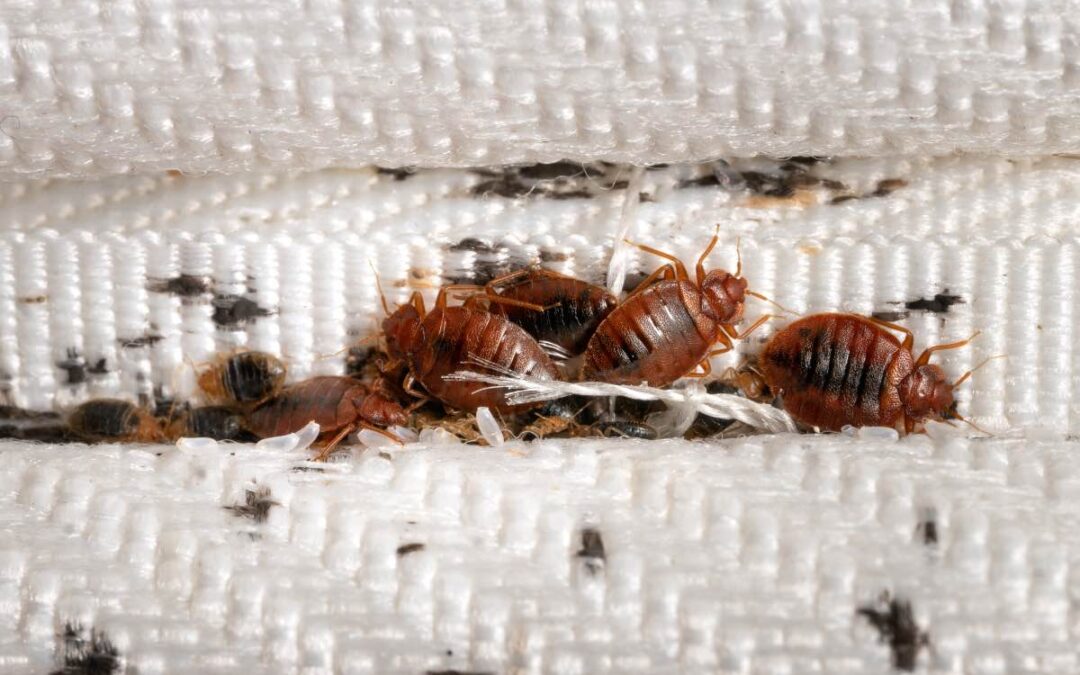
Bed bugs are difficult enough to deal with in one home. In an apartment building, the problem can become more complicated because residents share walls, hallways, utility spaces, and other parts of the building.
An infestation in one apartment does not necessarily stay there. Bed bugs can hitchhike on belongings or move through cracks and other concealed spaces.
The good news is that how to prevent bed bugs from spreading is straightforward: detect problems early, avoid moving infested belongings, report suspected infestations, and coordinate treatment when necessary.
Can Bed Bugs Spread From One Apartment to Another?
Yes. Bed bugs do not fly or jump, but they can crawl through cracks and crevices. They may also move along walls, floors, ceilings, pipes, wires, and other building pathways. More commonly, they spread by hitchhiking on clothing, luggage, furniture, bags, and other belongings.
This makes apartment buildings different from detached homes. If one unit has bed bugs, nearby units may also need to be inspected.
That does not mean every neighboring apartment is infested. It means the surrounding area should be considered when determining how far the problem has spread.
How Do Bed Bugs Spread in Apartment Buildings?
Bed bugs generally spread in two ways: through people and belongings or through connected spaces in the building.
They can be transported in luggage after travel, on clothing, used furniture, bags, or other personal items. They may also use cracks and openings to reach nearby areas.
Common opportunities for spread include:
- Shared walls, floors, ceilings, and utility openings
- Mattresses, furniture, clothing, luggage, and bags
- Hallways, laundry rooms, and other shared spaces
- Moving belongings from an affected apartment into another unit
Bed bugs are not a sign of poor housekeeping. A clean apartment can still develop an infestation after a bed bug is unknowingly brought inside.
How Do You Prevent Bed Bugs in an Apartment?
Good bed bug prevention starts with making it harder for bed bugs to enter, hide, and go unnoticed.
Health Canada recommends inspecting homes regularly and checking mattresses, furniture, baseboards, and nearby cracks for live bugs, eggs, dark spots, or other signs.
A practical routine includes:
- Inspect used furniture. Be especially careful with mattresses, sofas, and upholstered furniture. Never bring discarded mattresses or sofas home.
- Check after travelling. Keep luggage away from beds when possible and inspect it before bringing it back into the apartment.
- Reduce clutter. Fewer hiding places make inspections easier.
- Seal obvious gaps. Check cracks around baseboards, walls, doors, windows, and utility openings.
- Inspect sleeping areas regularly. Look around mattress seams, bed frames, headboards, and nearby furniture.
Prevention is much easier when an infestation is caught before it becomes established.
How Can You Prevent Bed Bugs From Spreading After Finding One?
This is where people can accidentally make the situation worse.
If you discover a suspected bed bug, do not immediately move the mattress, sofa, clothing, or other belongings into another room. Moving infested items can transport bugs into previously unaffected areas.
The same applies to sleeping arrangements. Moving to another bedroom may seem logical, but it can give bed bugs another place to establish themselves.
Instead, contain the situation and report it.
If you rent, notify your landlord or property manager promptly. If you own a condo, notify the appropriate building management or condo corporation. In an apartment building, nearby units may also need inspection.
If you need professional help, our bed bug removal services can help identify and address an infestation.
What Should Apartment Building Managers Do to Prevent Bed Bugs?
Prevention cannot be left entirely to individual residents. Building managers also need a clear response process.
That means knowing who receives complaints, how inspections are arranged, how residents are informed, and how nearby units are assessed.
A written plan can make the response faster and more consistent. It should cover reporting, inspections, treatment, documentation, and follow-up.
Communication matters too. Residents may hesitate to report bed bugs because they feel embarrassed or worry they will be blamed. Delayed reporting gives an infestation more time to spread.
For property managers, a coordinated multi-unit pest control approach can also make it easier to track affected units and treatment progress.
Does Cleaning Prevent Bed Bugs?
Cleaning helps, but cleaning alone does not prevent or eliminate bed bugs.
These pests can hide in very small spaces, including mattress seams, bed frames, furniture joints, baseboards, and cracks. Regular cleaning and reduced clutter make inspection easier, but they do not address every possible hiding place.
This is also why finding bed bugs should not automatically be treated as evidence that an apartment is dirty.
The more useful questions are: where did the bugs come from, where could they be hiding, and whether they have reached another area?
What Should You Do If a Neighbor Has Bed Bugs?
Do not panic, but take the situation seriously.
If management tells residents that bed bugs have been found nearby, inspect your sleeping area and surrounding furniture. Check mattress seams, bed frames, upholstered furniture, baseboards, and other potential hiding places.
Do not move furniture between rooms unnecessarily. Avoid taking discarded furniture from common areas or accepting used mattresses and upholstered items.
If you see suspicious signs, report them promptly instead of waiting for the problem to become obvious.
For more information about protecting your home from pests, see our residential pest control information.
How Can You Prevent Bed Bugs From Coming Home After Traveling?
Travel gives bed bugs an easy opportunity to hitchhike into a home.
Before unpacking, inspect your luggage and belongings. Keep suitcases away from the bed when travelling, and check them before bringing them into your bedroom at home.
Health Canada recommends washing clothing in hot water and drying it using the highest heat appropriate for the fabric.
Do not assume that only dirty or inexpensive hotels pose a risk. Bed bugs can be introduced anywhere people and belongings come together.
Frequently Asked Questions About Preventing Bed Bugs
How Do I Prevent Bugs in Bed?
Inspect mattress seams, bed frames, headboards, and nearby furniture regularly. Reduce clutter around the bed, inspect used furniture before bringing it inside, and check luggage after travelling.
Can Bed Bugs Live in Apartment Walls?
Yes. Bed bugs can hide in cracks and concealed spaces and may travel along pipes, wires, and other building pathways.
Should I Tell My Landlord If I Find One Bed Bug?
Yes. Report a suspected bed bug promptly, particularly in a multi-unit building. Early reporting gives management an opportunity to inspect the affected area and determine whether nearby units should also be checked.
Is It Possible to Completely Prevent Bed Bugs in an Apartment Building?
No prevention strategy can guarantee that a building will never have bed bugs. The realistic goal is to reduce opportunities for introduction, detect problems early, and prevent an isolated infestation from becoming a larger building-wide problem.
If you live in an apartment building, the most important rule is simple: do not ignore the first sign. Early reporting, careful handling of belongings, and coordinated action can make a major difference in stopping bed bugs from spreading.
