
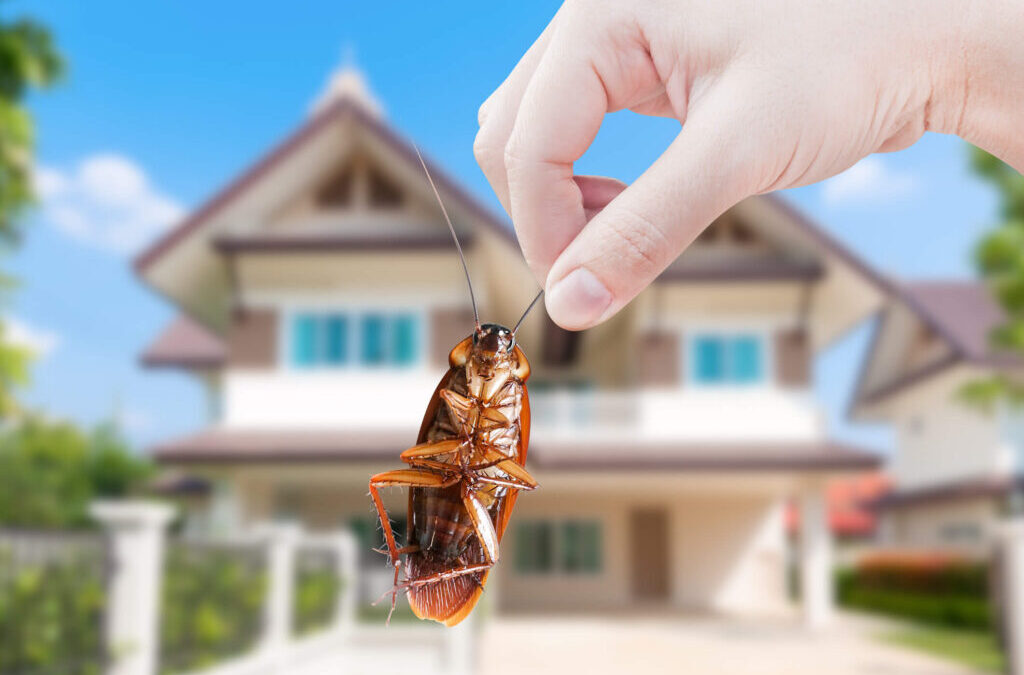
Many homeowners assume that a brand-new home is automatically protected from pests. After all, the building is new, the materials are modern, and everything appears sealed and secure.
Unfortunately, pests do not care how recently a property was built.
New homes can experience ant infestations, mice activity, wasp nests, and even cockroach problems within months of construction. In some cases, newly built homes may encounter pest issues sooner than older properties because homeowners are not expecting them.
The reality is simple: pests are looking for food, water, shelter, and access. If a new building provides those things, pests can move in just as easily as they can in a decades-old home.
Can New Homes Have Pest Problems?
Yes.
A new home may have fewer age-related vulnerabilities than an older property, but it is not pest-proof.
Many homeowners confuse “new construction” with “sealed construction.” Even modern building practices leave numerous openings for plumbing, electrical systems, ventilation, internet cables, gas lines, and drainage systems.
These openings may be small, but many pests need very little space to gain access.
A mouse can fit through a gap the size of a dime. Ants can enter through cracks that are barely visible. Wasps can build nests under roof overhangs within days of finding a suitable location.
The age of the building matters far less than the conditions it provides.
Why Do Pests Move Into New Construction?
This is one of the most common questions homeowners ask after moving into a newly built property.
The answer often starts before construction is even finished.
Building a new home disturbs the surrounding environment. Excavation, grading, tree removal, and soil disruption force insects and rodents to relocate.
When their natural habitat disappears, nearby structures become attractive alternatives.
Common examples include:
- Ant colonies displaced during excavation
- Rodents seeking shelter after vegetation removal
- Wasps exploring new structures for nesting sites
- Spiders following insect populations into buildings
The construction process itself can unintentionally encourage pest activity long before homeowners receive the keys.
Are New Homes Completely Sealed Against Pests?
No building is completely sealed.
Modern homes are designed to improve energy efficiency, but they still require numerous openings to function properly.
Potential access points include:
- Utility penetrations
- Dryer vents
- Attic vents
- Plumbing connections
- Garage door gaps
- Window and door frames
Many of these openings are properly protected, but even small imperfections can create opportunities for pests.
Over time, weather conditions, settling, and normal building movement may create additional gaps that were not present when construction was completed.
Why Are Mice Found in New Homes?
People often associate rodent problems with older houses, but mice regularly appear in new developments.
In fact, newly developed communities can be especially attractive to rodents.
Large-scale construction projects often remove fields, brush, and natural nesting areas. Mice that previously lived outdoors suddenly find themselves surrounded by warm buildings with plenty of hiding places.
New homes also contain ideal nesting materials such as insulation, cardboard packaging, and stored belongings during move-in periods.
Even a small opening around a utility line can provide enough access for mice to enter.
This is one reason why rodent issues are not limited to aging homes.
Why Do Ants Show Up in Brand-New Houses?
Ants are often among the first pests homeowners notice after moving into a new property.
Construction activities can disrupt underground colonies, forcing ants to search for new food and nesting opportunities.
At the same time, newly landscaped yards frequently provide ideal conditions for ant activity. Fresh mulch, decorative stone, irrigation systems, and newly planted gardens all create environments where colonies can thrive.
Once worker ants discover food or moisture indoors, they establish scent trails that attract additional ants into the home.
The building may be new, but the surrounding pest populations are often already established.
Do New Buildings Attract Wasps?
They certainly can.
Many modern architectural designs include features that wasps find attractive.
Covered entryways, roof overhangs, soffits, pergolas, and outdoor living spaces create ideal nesting locations. These areas provide shelter from weather while remaining relatively undisturbed.
Even when the structure itself is brand new, wasps quickly recognize suitable nesting opportunities.
We’ve seen situations where homeowners contacted We Clean Pest Control only weeks after moving into a newly constructed home because a queen wasp had already started building a nest under a covered porch.
The age of the structure mattered very little. The nesting conditions were simply too attractive.
Are Commercial Buildings Vulnerable to the Same Pest Problems?
Absolutely.
Many people assume that newly constructed offices, retail spaces, warehouses, and multi-unit buildings are less likely to experience pest activity than older properties. In reality, commercial buildings face many of the same risks as residential homes.
Construction can disturb existing pest habitats, while delivery areas, dumpsters, landscaping, and utility penetrations create opportunities for pests to establish themselves. Large commercial developments may also sit near undeveloped land, stormwater ponds, or construction zones where rodents and insects are already active.
The challenge is that pests can affect businesses long before employees or customers notice them. A few ants near a break room, rodents in a storage area, or wasps around an entrance can quickly become larger issues if left unchecked.
This is why many property managers and business owners invest in commercial pest services during the first years of occupancy. Early inspections and preventive measures can help identify vulnerabilities before they develop into ongoing pest problems.
Can Construction Materials Attract Pests?
Some can.
Pests are often drawn less to the material itself and more to the conditions surrounding it.
For example:
- Wood scraps can attract certain insects.
- Cardboard packaging provides shelter for pests.
- Stored building materials create hiding spots.
- Moisture trapped during construction can encourage insect activity.
Large construction sites also generate significant amounts of debris and temporary storage areas, creating ideal environments for pests before the home is even occupied.
Once established nearby, those pest populations may remain active after construction is complete.
Why Do Homeowners Often Miss Early Signs of Pest Activity?
One of the biggest risks in a new home is a false sense of security.
People expect older properties to have maintenance issues. They expect cracks, wear, and potential vulnerabilities.
New homes feel different.
As a result, homeowners may ignore early warning signs because they assume pest problems are impossible.
Common signs include:
- Ant trails near windows or kitchens
- Droppings in garages or utility rooms
- Scratching sounds inside walls
- Increased wasp activity around rooflines
- Small nests forming under eaves
Delaying action often allows a minor issue to become a larger infestation.
What Makes Some New Developments More Vulnerable Than Others?
Location plays a major role.
Homes built near natural areas often experience greater pest pressure than homes located in long-established urban neighborhoods.
Properties near:
- Open fields
- Forested areas
- Wetlands
- Stormwater ponds
- Agricultural land
typically experience higher levels of pest activity.
These environments support larger populations of insects and rodents, increasing the likelihood that pests will eventually explore nearby structures.
This is one reason homeowners sometimes seek residential pest services shortly after moving into what appears to be a perfect new home.
The problem is often not the building itself but the surrounding environment.
Do New Homes Need Preventive Pest Control?
Many people assume pest control only becomes necessary after a problem develops.
However, prevention is often easier than elimination.
Routine inspections can identify:
- Early nesting activity
- Entry point vulnerabilities
- Moisture issues
- Landscaping conditions that attract pests
- Developing infestations before they become serious
Prevention is particularly valuable during the first few years after construction, when the surrounding environment is still adjusting to the new development.
Frequently Asked Questions
Is it normal to have bugs in a brand-new house?
Yes. New homes can experience insect activity for many of the same reasons older homes do. Construction disturbance, nearby habitats, food sources, and entry points all contribute to pest activity.
Why are there ants in my newly built home?
Construction often disrupts existing ant colonies. Landscaping, irrigation systems, and indoor food sources can also attract ants into new homes.
Can mice get into a newly constructed house?
Absolutely. Mice only need very small openings to enter. Utility penetrations, garage gaps, and construction imperfections can all provide access.
Do new homes need pest inspections?
Yes. Regular inspections can identify vulnerabilities and early signs of activity before infestations become more difficult and expensive to address.
A New Home Is Not a Pest-Proof Home
New construction offers many advantages, but immunity from pests is not one of them.
Pests do not evaluate a home’s age before moving in. They look for food, water, shelter, and access. If those conditions exist, even a newly built property can experience pest activity.
The good news is that most pest problems in new homes are manageable when identified early. Understanding the risks, recognizing warning signs, and addressing vulnerabilities proactively can help homeowners enjoy all the benefits of a new home without unexpected pest surprises.
