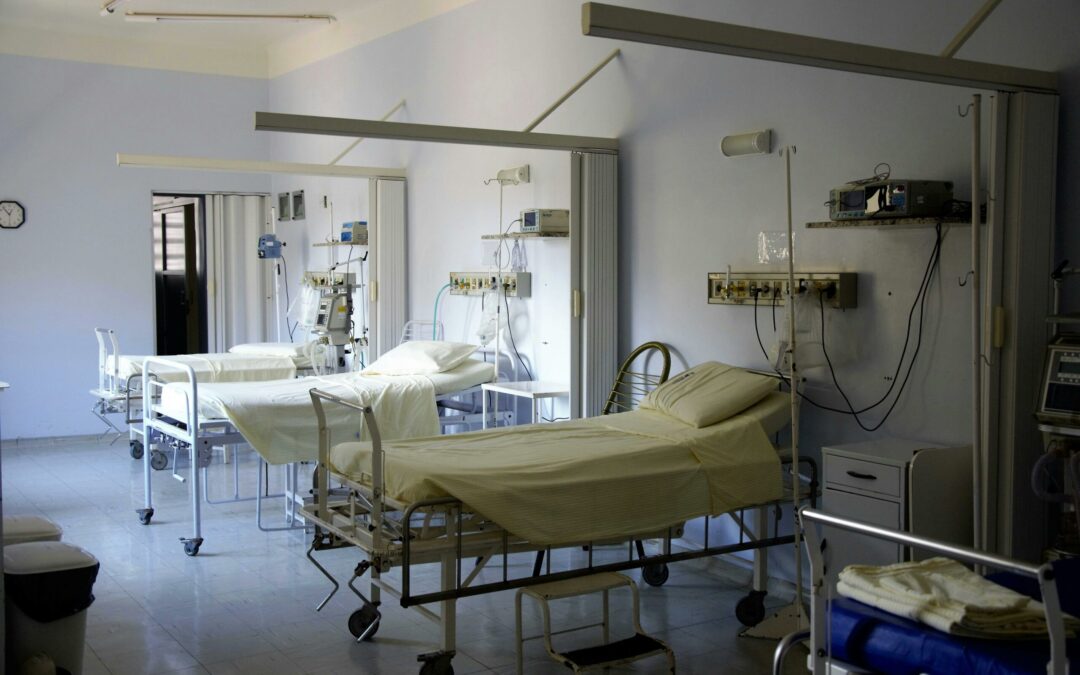
Hospitals are among the cleanest and most carefully maintained buildings, yet they remain vulnerable to pest activity. Every day, healthcare facilities receive deliveries, welcome hundreds of visitors, prepare meals, process laundry, and operate around the clock. This constant movement creates opportunities for insects and rodents to enter the building.
In healthcare settings, even a small pest problem can have serious consequences. Beyond contaminating food or damaging property, pests can threaten patient safety, interrupt operations, and damage public confidence. That is why effective hospital pest control focuses on prevention rather than reacting after an infestation has already developed.
A proactive strategy helps hospitals maintain high hygiene standards while reducing the likelihood of costly disruptions.
Why Are Healthcare Facilities at Higher Risk for Pests?
Many people assume hospitals rarely experience pest problems because of their strict cleaning protocols. While sanitation is essential, it does not eliminate every risk.
Healthcare facilities contain numerous environments that naturally attract pests. Kitchens, cafeterias, waste collection rooms, laundry facilities, storage areas, loading docks, and utility spaces all provide food, moisture, warmth, or shelter.
Pests may also enter through food deliveries, cardboard packaging, medical supplies, laundry carts, personal belongings, or small structural openings around the building.
Because hospitals never truly close, there are countless opportunities for pests to find their way inside.
What Pests Are Most Common in Hospitals?
Different pests create different challenges in medical environments, and understanding those risks helps healthcare teams respond more effectively.
The most common pests found in hospitals include:
Rodents can contaminate storage areas and damage wiring. Cockroaches may spread bacteria between surfaces, while flies move easily between waste and food preparation areas. Bed bugs often arrive unintentionally with patients or visitors and can quickly spread through furniture and linens if not identified early.
Recognizing these risks is the first step toward effective pest control in hospital environments.
Why Is Prevention Better Than Reactive Pest Control?
One of the most common questions facility managers ask is whether ongoing prevention is necessary if no pests have been seen.
The answer is yes.
By the time insects or rodents become visible, they may already have established nesting areas behind walls, above ceilings, or inside utility spaces.
A successful prevention program focuses on reducing risk before pests become established.
Most preventive plans include four key elements:
- Routine inspections
- Continuous monitoring
- Building maintenance
- Sanitation and staff awareness
Together, these measures identify problems early and reduce the conditions that allow pests to thrive.
Which Areas of a Hospital Should Be Inspected Most Often?
Although every part of a healthcare facility should receive attention, certain locations consistently present higher risks.
These include:
- Food preparation and cafeteria areas
- Waste storage rooms
- Loading docks
- Laundry facilities
- Staff break rooms
- Storage areas
- Utility and mechanical rooms
- Floor drains and plumbing spaces
Routine inspections should focus on signs such as droppings, insect activity, damaged packaging, moisture problems, nesting materials, and structural openings.
Our specialists at We Clean Pest Control often recommend prioritizing these high-risk areas because early detection is one of the most effective ways to prevent larger infestations before they affect patient care.
How Does Sanitation Help Prevent Pest Problems?
Healthcare facilities already maintain strict cleaning standards, but sanitation also serves another important purpose: removing the conditions that attract pests.
Even small food spills, overflowing waste bins, plumbing leaks, or excess clutter can provide insects and rodents with the resources they need to survive.
An effective sanitation routine includes:
- Cleaning food preparation areas thoroughly
- Emptying waste containers regularly
- Keeping garbage bins tightly sealed
- Repairing plumbing leaks promptly
- Removing unnecessary cardboard and clutter
- Cleaning beneath equipment and shelving
Consistent sanitation reduces food sources and hiding places, making the facility much less attractive to pests.
Why Is Staff Training Important?
Even the strongest prevention plan depends on the people working inside the building every day.
Staff members are often the first to notice unusual activity, whether it is rodent droppings, insect sightings, damaged packaging, or unusual odours. Encouraging employees to report concerns immediately allows facility managers to investigate before problems grow.
Employee awareness is also an important part of commercial pest control programs in healthcare environments. Everyone, from housekeeping and food service teams to maintenance staff and administrators, plays a role in identifying early warning signs and supporting preventive practices.
Regular communication helps ensure that small concerns receive attention before they become costly infestations.
How Can Hospitals Prevent Pests From Entering?
The most effective pest management strategy is preventing pests from getting inside in the first place.
Hospitals should regularly inspect the building exterior for potential entry points. Small gaps around utility lines, damaged door sweeps, loose weather stripping, cracked foundations, and torn window screens can all provide easy access for insects and rodents.
Loading docks deserve special attention because deliveries arrive throughout the day. Keeping dock doors closed whenever possible, inspecting incoming shipments, and maintaining proper door seals significantly reduces the risk of pests entering the facility.
Deliveries should also be checked for damaged packaging, insect activity, or rodent evidence before supplies are moved into storage. Catching a problem at the receiving dock is far easier than dealing with an infestation that spreads throughout the building.
What Should Healthcare Staff Look for During Daily Operations?
Routine inspections performed by pest management professionals are essential, but hospital employees also play an important role in early detection.
Staff should be encouraged to report:
- Rodent droppings or gnaw marks
- Live or dead insects
- Unusual odours in storage or utility areas
- Damaged food packaging
- Moisture problems or plumbing leaks
- Signs of nesting around equipment or storage spaces
Reporting these issues immediately allows maintenance teams to investigate before pest activity becomes more widespread.
Early reporting is often the difference between a minor issue and a costly infestation.
When Should a Healthcare Facility Call a Professional?
Not every insect sighting requires emergency treatment, but recurring pest activity should never be ignored.
Repeated sightings, evidence of rodents, damaged supplies, unexplained odours, or signs of contamination all indicate that a professional inspection is warranted.
An experienced provider can identify hidden entry points, locate nesting areas, determine the source of the problem, and recommend targeted solutions that minimize disruption to patients and staff.
For healthcare facilities in Edmonton, routine inspections throughout the year are particularly valuable because pest activity changes with the seasons. Proactive monitoring helps facilities remain compliant with sanitation standards while reducing the likelihood of unexpected infestations.
Frequently Asked Questions
Why is pest prevention more important than pest removal in hospitals?
Prevention reduces the risk of contamination before pests become established. Once an infestation develops, treatment is often more complex and may interfere with normal healthcare operations.
What is the most common pest found in hospitals?
Rodents, cockroaches, flies, ants, and bed bugs are among the most common pests in healthcare facilities. Each presents different health, sanitation, and operational risks.
How often should hospitals be inspected for pests?
Inspection frequency depends on the size and function of the facility, but routine monitoring throughout the year is recommended. High-risk areas such as kitchens, loading docks, waste rooms, and laundry facilities generally require more frequent inspections.
Can hospitals stay open during pest control treatments?
In many cases, yes. Modern treatment methods are designed to minimize disruption while protecting patients, healthcare workers, and sensitive medical environments. The exact approach depends on the type of pest and the affected area.
Prevention Is the Foundation of Effective Hospital Pest Management
Successful pest control for hospital facilities begins long before pests become visible. Routine inspections, strong sanitation practices, structural maintenance, staff awareness, and early reporting all work together to reduce pest pressure and protect patients, employees, and visitors.
At We Clean Pest Control, we believe prevention is the most effective long-term strategy for healthcare facilities. Our team helps hospitals, clinics, and medical buildings identify vulnerabilities early, provide honest recommendations, and implement practical solutions that minimize disruption while supporting the high hygiene standards patients and healthcare professionals expect.
