
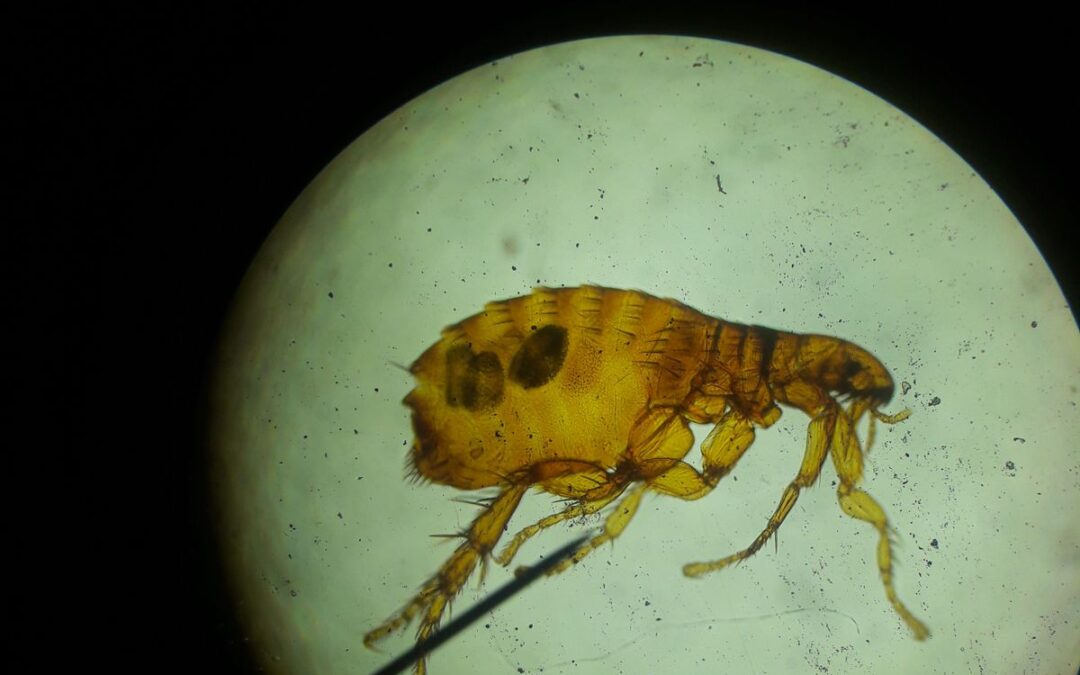
Finding fleas in your home is confusing enough. Finding them when you do not even have a pet can be even more frustrating.
So, how long can fleas live in a house without pets?
The answer depends on which stage of the flea you are dealing with. Adult fleas are associated with animal hosts, but eggs, larvae, and pupae can develop away from the animal. The pupal stage can be particularly persistent, allowing fleas to remain in a home even after a pet is gone.
That is why an empty house is not necessarily a flea-free house.
How Long Can Fleas Live In A House Without Pets?
Adult fleas prefer to stay on animals and feed on their blood. However, the other stages of their life cycle can exist in the environment.
Flea eggs, larvae, and pupae can be found in and around areas where pets rest, and fleas can remain dormant when a host is not readily available. This means the answer is not simply a number of days.
If an adult flea cannot find a host, its ability to survive and reproduce is limited. But an infestation can persist because immature fleas may already be developing in carpets, furniture, cracks, or other sheltered areas.
For homeowners, that distinction matters more than the lifespan of a single adult flea.
How Long Will Fleas Live In A House Without Pets?
If you are asking how long an entire flea problem can remain in a home without pets, the answer can be much longer than you might expect.
Fleas have four life stages: egg, larva, pupa, and adult. The adult stage is the one that feeds on a host. The earlier stages develop in the surrounding environment.
The pupal stage is particularly important. If no host is readily available, fleas can remain dormant for up to a year.
That does not mean every flea infestation will last a year. Conditions, species, temperature, humidity, access to hosts, and the environment all affect development.
But it explains why a home can appear clear for a period and then suddenly have flea activity again.
Why Are There Fleas In My House If I Don’t Have Pets?
There does not have to be a current dog or cat in the home for fleas to be present.
A previous pet, wildlife, another animal in or around the property, or even an infested item can provide an explanation. Fleas are associated with mammals and birds, and their eggs generally fall from the host into the surrounding environment.
In Alberta homes, it is worth considering areas where animals may have had access, particularly basements, crawl spaces, garages, sheds, and other sheltered locations.
There are also several less obvious possibilities:
- A previous homeowner or tenant had a flea-infested pet.
- Wildlife carrying fleas has been around the property.
- Used furniture, carpeting, bedding, or other textiles were brought into the home.
- Fleas were introduced by an animal that had temporary access to the property.
- A connected unit or shared building area has an ongoing flea problem.
The absence of a pet therefore does not automatically rule out fleas.
Can Fleas Live In Carpet Without Pets?
Yes. Carpet can provide shelter for flea eggs, larvae, and pupae even when there are no pets currently living in the home.
This is one reason vacuuming is an important part of flea control. We recommend vacuuming carpets and cushioned furniture and cleaning cracks and crevices around floors and baseboards. Steam cleaning carpets is also a control measure.
However, seeing no fleas immediately after cleaning does not necessarily mean every life stage has been eliminated.
If a property previously had animals, pay particular attention to rooms where they spent most of their time. Carpeting, upholstered furniture, pet bedding, floor edges, and sheltered gaps can all be relevant areas to inspect.
Can Fleas Survive In An Empty House?
Yes. In fact, an empty property can make flea activity difficult to detect.
When nobody is living in the home, there may be fewer signs that fleas are present. Adult fleas have fewer opportunities to encounter a host, while immature stages can remain hidden in the environment.
Once people or animals return, movement and other environmental signals can trigger adult fleas to emerge.
This is why discovering fleas shortly after moving into a house does not necessarily mean the infestation started after you arrived.
If you are moving into or managing a property in Alberta, residential pest control can be useful when the source of recurring flea activity is unclear.
How Do You Get Rid Of Fleas When There Are No Pets?
Without pets, the first question is not simply how to kill the fleas. It is where did they come from, and where are they developing?
Start by inspecting areas where animals may previously have rested or entered the property. Vacuum carpets and upholstered furniture regularly, clean cracks and crevices, and wash potentially affected bedding or fabrics.
If you are dealing with recurring flea activity, flea extermination in Edmonton can help determine whether the issue is limited to a particular area or whether there may be a wider source.
How Can You Prevent Fleas From Coming Back?
Prevention starts with reducing the opportunities fleas have to enter and develop around your property.
Maintain the yard, repair screens and other openings that allow unwanted animals inside, and regularly check pets for fleas.
For a home that has already experienced a flea problem, focus on the areas where fleas could realistically persist.
A practical prevention checklist includes:
- Vacuum carpets and upholstered furniture regularly.
- Clean cracks, crevices, baseboards, and other sheltered areas.
- Wash bedding and fabrics that may have been exposed.
- Inspect second-hand furniture and textiles before bringing them indoors.
- Address gaps or openings that could allow wildlife to enter the home.
If your property is in Edmonton or one of the surrounding communities, you can also check the areas We Clean Pest Control serves for local coverage.
Frequently Asked Questions About Fleas Without Pets
Can Fleas Live On Humans?
Fleas can bite humans, but they are primarily parasites of mammals and birds. Adult fleas generally seek an animal host for feeding, while eggs, larvae, and pupae can be present in the surrounding environment.
Will Fleas Go Away On Their Own If There Are No Pets?
Not necessarily. Adult flea activity may decline when there is no suitable host, but immature stages can remain in the environment. Some fleas can remain dormant for an extended period when a host is unavailable.
How Long Can Flea Pupae Survive Without A Host?
There is no single timeframe that applies to every situation, but Government of Canada information states that fleas can remain dormant for up to a year when a host is not readily available.
Can Fleas Come Back After You Think They Are Gone?
Yes. If flea eggs, larvae, or pupae remain in the environment, new adults may emerge later. This is why controlling the surrounding environment is important rather than focusing only on visible adult fleas.
Finding Fleas In Your Alberta Home?
A flea infestation without pets can seem strange, but the flea life cycle makes it possible.
Adult fleas depend on hosts for feeding, while the other life stages can develop away from the animal. Pupae are especially important because they can remain dormant when a host is unavailable.
So if fleas keep appearing in a pet-free home, do not assume they will simply disappear. Look at the history of the property, possible wildlife access, carpets and upholstered areas, and any other places where fleas could have developed.
For Edmonton homeowners, identifying the source is often the first step toward getting the problem under control. We Clean Pest Control focuses on identifying the actual pest problem before recommending an appropriate treatment approach.
