
Finding bed bugs in your home can be stressful, and one of the first questions many people ask is whether they can spread directly between people. If a family member has bites or you’ve recently stayed in a hotel, it’s natural to wonder whether hugging someone, sharing a ride, or spending time together could put everyone else at risk.
The short answer is no—but there is an important distinction. Bed bugs do not live on people the way lice do, yet they are excellent hitchhikers. They often spread because people unknowingly transport them on clothing, luggage, backpacks, or other personal belongings.
Understanding how bed bugs actually move can help you avoid bringing them home and respond quickly if you suspect an infestation.
Can Bed Bugs Spread From Person to Person?
One of Google’s most common questions is whether can bed bugs spread from person to person through direct contact.
In most everyday situations, the answer is no.
Bed bugs are not parasites that live on the human body. They crawl onto a person briefly to feed, usually at night while someone is sleeping, and then return to nearby hiding places. Unlike fleas or lice, they do not stay in hair, clothing, or on skin after feeding.
That means activities like shaking hands, hugging, sitting beside someone, or working in the same office are very unlikely to spread bed bugs directly.
The confusion comes from the fact that people often transport bed bugs without realizing it. The insects hide inside belongings rather than on the person themselves.
How Do Bed Bugs Spread From Person to Person?
If people are not carrying bed bugs on their bodies, how do bed bugs spread from person to person?
The answer is through personal items that bed bugs use as transportation.
These insects are incredibly good at hiding in small, dark spaces. They may crawl into:
- Suitcases and backpacks
- Folded clothing
- Laptop bags
- Blankets and pillows
- Upholstered furniture
- Storage boxes
Someone staying in an infested hotel room, apartment, or guest bedroom may unknowingly bring bed bugs home inside these items. The insects then crawl out and establish themselves in a new location.
This is why prevention focuses on inspecting belongings rather than avoiding contact with other people.
At We Clean Pest Control, we often educate homeowners about this difference because understanding how bed bugs travel helps prevent unnecessary panic and allows people to focus on the real sources of infestation.
Where Are You Most Likely to Pick Up Bed Bugs?
Despite their name, bed bugs are not found only in beds.
Any place where people spend extended periods can become a hiding spot if an infestation is present.
Some of the most common locations include:
- Hotels and motels
- Apartment buildings
- Public transportation
- Movie theatres
- Dormitories
- Nursing homes
- Offices with upholstered furniture
- Second-hand furniture stores
Travel is one of the biggest risk factors because luggage is easily placed near beds, furniture, and carpeting where bed bugs may already be hiding.
Buying used furniture without inspecting it carefully can also introduce bed bugs into an otherwise pest-free home.
Can Bed Bugs Live on Your Clothes?
Many people wonder whether can bed bugs spread by person simply because they are wearing contaminated clothing.
Bed bugs do not normally stay on clothes that are being worn.
Unlike ticks or lice, they prefer remaining hidden in protected spaces instead of clinging to moving people. However, clothing left on an infested bed, couch, or floor can become an easy hiding place.
Folded laundry, jackets hanging in closets, or clothes packed into luggage provide ideal temporary shelter while the insects are being transported to another location.
For this reason, experts recommend washing and drying travel clothing on high heat after returning from a trip if bed bugs are suspected.
What Are the First Signs of a Bed Bug Infestation?
Because bed bugs hide so well, bites are not always the first indication that they are present.
Instead, homeowners should watch for several warning signs, including:
- Small dark spots on mattresses or bedding
- Tiny shed skins left behind as bed bugs grow
- Pale eggs or eggshells in mattress seams
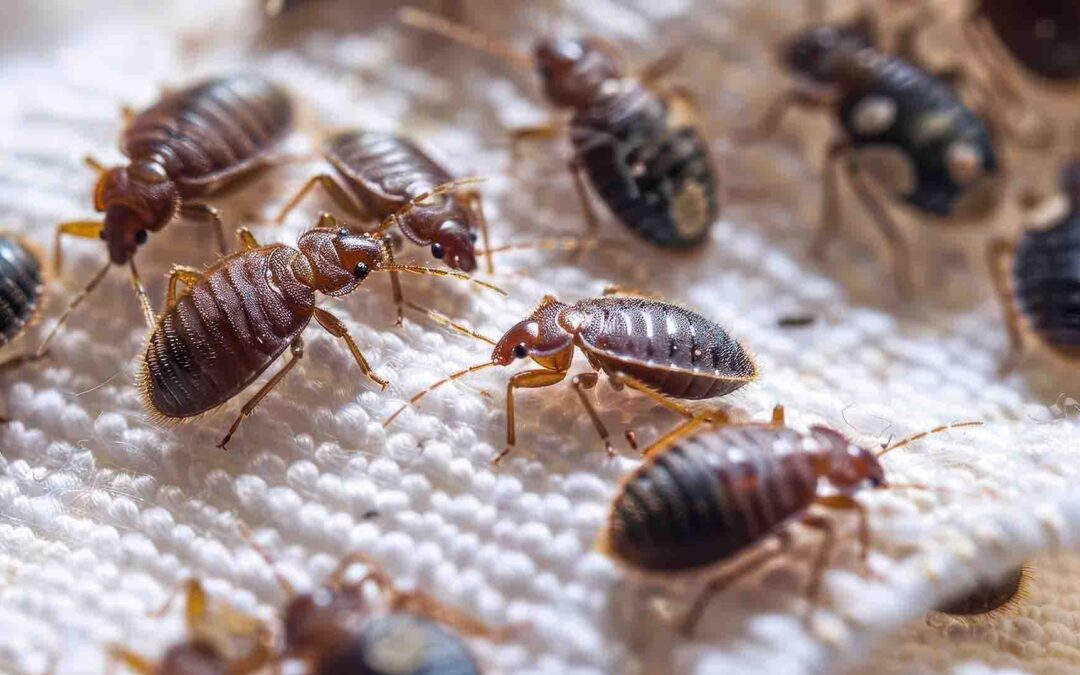
- Live reddish-brown insects hiding in cracks and crevices
- Clusters of itchy bites that appear after sleeping
Some people develop noticeable bite reactions, while others may show almost no symptoms at all. That is why relying on bites alone is not always a reliable way to detect an infestation.
Homeowners searching for bed bugs removal services in Edmonton are often surprised to learn that infestations have usually been present for several weeks before the first obvious signs appear.
Can Bed Bugs Spread Between Apartments?
Yes, although they usually spread much more slowly than people expect.
In apartment buildings, condos, and duplexes, bed bugs may crawl through tiny gaps around plumbing, electrical outlets, shared walls, or utility openings.
This type of movement is most common when an infestation has become well established.
Because of this, property managers often inspect neighbouring units whenever bed bugs are confirmed in one apartment. Finding the problem early reduces the likelihood of insects spreading throughout the building.
How Can You Prevent Bed Bugs From Spreading?
Preventing bed bugs is largely about reducing opportunities for them to hitchhike into your home.
Simple habits can make a significant difference:
- Inspect hotel mattresses and headboards before unpacking.
- Keep luggage off beds and upholstered furniture while travelling.
- Examine second-hand furniture carefully before bringing it indoors.
- Wash and dry travel clothing using high heat after returning home.
Early detection is equally important. A small infestation is much easier to manage than one that has had time to spread throughout multiple rooms.
In some situations, homeowners may also hear about bed bug heat treatment as a method used to eliminate bed bugs without relying entirely on traditional chemical applications. Heat works by raising temperatures high enough to kill bed bugs at every stage of their life cycle, including eggs.
Frequently Asked Questions
Can Bed Bugs Be Spread Person to Person Through Touch?
No. Can bed bugs be spread person to person through casual contact is one of the biggest misconceptions about these pests. Bed bugs do not jump, fly, or live on human skin. A handshake, hug, or sitting next to someone will not usually transfer bed bugs. Instead, they spread when they hide in personal belongings that are moved from one place to another.
How Long Can Bed Bugs Live Without Feeding?
Adult bed bugs are remarkably resilient. Depending on temperature and environmental conditions, they can survive for several months without a blood meal. This is one reason why simply leaving an infested room unused is rarely enough to eliminate the problem.
Can You Bring Bed Bugs Home After One Night in a Hotel?
Yes. Even a single overnight stay in an infested room can be enough for bed bugs to crawl into luggage, clothing, or other belongings. While the risk is relatively low if the room is free of bed bugs, inspecting your accommodations before unpacking and checking your luggage when you return home can significantly reduce the chances of bringing them back.
Do Bed Bugs Spread Diseases?
Current evidence shows that bed bugs are not known to transmit diseases to humans. However, their bites can cause itching, allergic reactions in some individuals, sleep disruption, and significant stress. Larger infestations can also become much more difficult and costly to eliminate if they are not addressed promptly.
Understanding How Bed Bugs Spread Helps You Prevent Them
Bed bugs are expert hitchhikers, but they are not contagious in the way many people imagine. They do not move directly from person to person during everyday contact, nor do they live on the human body like some other pests.
Instead, they rely on people to transport them inside luggage, backpacks, clothing, furniture, and other personal belongings. Knowing where they hide and how they travel is the first step toward preventing an infestation.
Regular inspections after travelling, careful checks of second-hand furniture, and early action when you notice warning signs can greatly reduce the likelihood of bed bugs becoming established in your home. If you suspect an infestation, addressing it quickly is always the best approach before the insects have an opportunity to spread further.
