
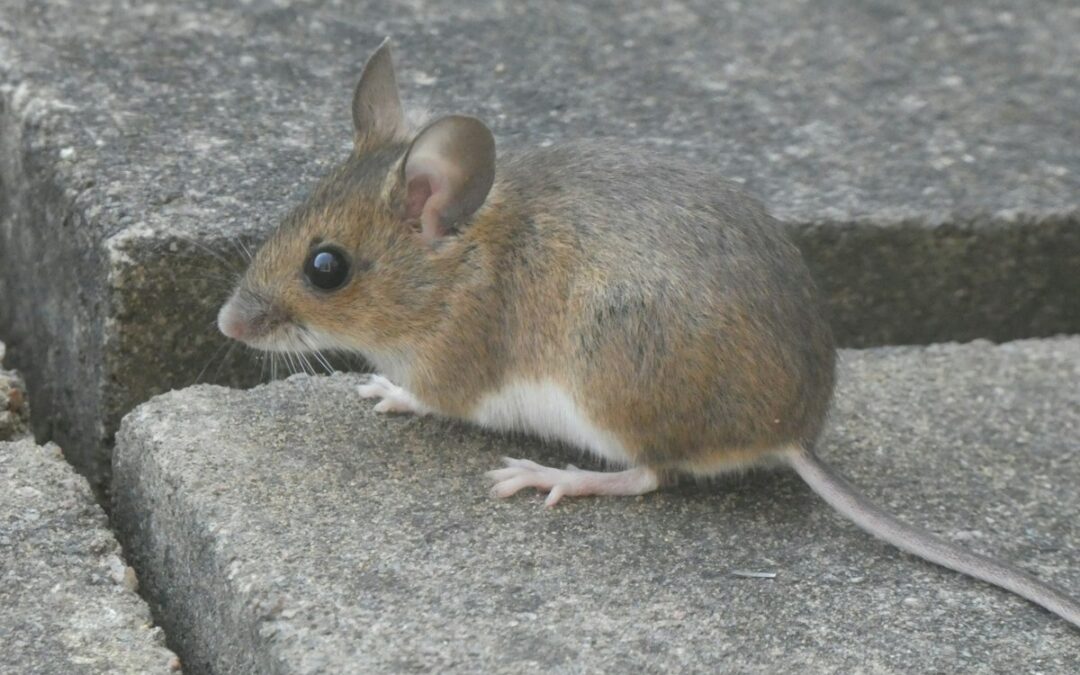
A mouse does not need a large opening to get inside your home. A gap around a pipe, a loose garage-door seal, or a small crack near the foundation can be enough. Once inside, mice can find food, nesting material, and warm shelter without being noticed for weeks.
That is why effective mouse prevention is about more than setting traps. You need to make your house difficult to enter and less attractive once a mouse gets inside.
If you are wondering how to mouse-proof your house, start with three things: find the entry points, seal them properly, and remove the food and shelter mice are looking for.
What Attracts Mice To Your House?
Mice generally look for the same basic things people need: food, water, shelter, and a protected place to nest.
Edmonton homes can become particularly attractive when temperatures drop, and mice look for warmer places to survive. Garages, basements, wall cavities, attics, and areas behind appliances can all provide shelter.
Food does not have to be sitting openly on a kitchen counter, either. Pet food, birdseed, crumbs, garbage, and improperly stored dry goods can all provide opportunities.
A clean home can still get mice. Good housekeeping reduces attractants, but it does not replace sealing the openings mice use to enter.
How Small Of A Hole Can A Mouse Get Through?
A mouse can squeeze through an opening around 1/4 inch wide, roughly the diameter of a pencil.
That makes mouse-proofing different from ordinary home maintenance. You need to inspect the small gaps around pipes, wires, vents, doors, foundations, and places where different building materials meet.
Therefore, if an opening looks too small to matter, inspect it anyway.
How To Make Your House Mouse-Proof
Start outside and work your way around the entire building before checking the interior.
Pay particular attention to:
- Gaps around plumbing, electrical wires, gas lines, and other utilities
- Cracks and openings around the foundation
- Garage doors and gaps beneath exterior doors
- Crawl-space, attic, and foundation vents
- Areas where siding meets the foundation
- Damaged soffits, fascia, and roofline openings
- Openings around dryer and other exterior vents
- Gaps behind cabinets and under sinks
Inside, move carefully around kitchens, basements, garages, utility rooms, and areas where you have noticed droppings or scratching sounds.
Behind refrigerators and stoves is worth checking too. These areas are warm, protected, and often close to food.
Seal The Opening
Once you find an entry point, the repair needs to be durable. Mice are persistent chewers, so simply covering a hole with a material they can easily damage may not solve the problem.
For small openings, steel wool combined with an appropriate sealant is one commonly recommended approach. Larger openings may require metal mesh, hardware cloth, sheet metal, cement, or another suitable building material depending on where the opening is located.
The goal is not to make the repair look perfect. The goal is to create a barrier that mice cannot easily chew through or push aside.
How Do I Mouse-Proof My House In The Winter?
Do not wait until you hear scratching in the walls. Walk around the house and inspect the foundation, doors, vents, garage, and utility penetrations before mice have an opportunity to settle inside.
Check weatherstripping around exterior and garage doors. Look for cracks where the foundation meets other materials. Inspect vents for damaged or missing screens.
It is also worth checking stored items around the garage and basement. Cardboard boxes, piles of fabric, insulation, and other undisturbed materials can provide convenient nesting areas.
How Do I Keep Mice Out Of My Kitchen?
Your kitchen does not need to be dirty for mice to find something worth eating.
Keep dry foods in containers with secure lids rather than leaving opened bags in cupboards. Clean crumbs and spills promptly, and do not leave pet food sitting out longer than necessary.
Check under the kitchen sink as well. Plumbing penetrations sometimes leave gaps around pipes that lead directly into wall or cabinet cavities. Similar openings can exist around dishwashers, washing machines, furnaces, and water heaters.
Reducing food access will not seal your house, but it can make the environment less rewarding for mice that manage to get inside.
What Is The Best Material To Seal Mouse Holes?
There is no single material that works for every opening.
The right repair depends on the size and location of the gap. A tiny hole around a pipe may require a different solution from a damaged foundation opening or a large gap around a vent.
For this reason, avoid relying on ordinary caulk or foam as the only barrier for every situation. Some materials can be useful as part of a repair but may not provide enough protection against persistent gnawing on their own.
For significant or difficult-to-access openings, professional inspection can help identify how mice are actually getting inside rather than simply covering the most visible hole.
How Much Does It Cost To Mouse-Proof Your House?
The answer depends heavily on the size of the property, the number of entry points, accessibility, and whether you are doing the work yourself or hiring a professional.
DIY mouse-proofing can involve relatively inexpensive materials such as steel wool, mesh, sealant, and door seals. Professional work costs more because you are paying for inspection, identification of entry points, labour, materials, and access to difficult areas.
For context, one 2026 consumer cost guide puts professional rodent exclusion and related pest-control work at roughly $180–$620 for many one-time jobs, with an average around $400, but actual pricing varies considerably by location and the scope of work.
If you are comparing how much does it cost to mouse proof your house, do not compare the price of materials alone. Missing one important entry point can mean paying to deal with the same problem again.
What If I Already Have Mice?
Mouse-proofing works best when combined with dealing with mice that are already inside.
If you are finding fresh droppings, hearing movement in walls or ceilings, noticing gnaw marks, or repeatedly seeing mice, sealing one hole may not be enough. There may already be mice inside, and there may be more than one entry route.
In that situation, the practical approach is to identify the active areas, address the existing infestation, and then close the routes that allow new mice to enter.
For Edmonton homeowners dealing with an active infestation, mouse exterminator services can help identify the source of the problem rather than treating only the visible symptoms.
How Can I Tell If My House Is Properly Mouse-Proofed?
There is no realistic way to guarantee that a house will never encounter a mouse. Older homes can develop new cracks, seals deteriorate, and neighbouring properties can have rodent activity.
What you can do is make your home significantly harder to enter and remove the conditions that encourage mice to stay.
A good final inspection should answer four questions:
- Have all visible openings around the foundation and utilities been sealed?
- Are doors, garage doors, and vents properly protected?
- Is food stored in secure containers?
- Are there still fresh signs of mouse activity?
If the answer to the last question is yes, keep investigating. Fresh evidence means there may still be an active route or an established mouse population inside.
For broader prevention, homeowners can also look at rodent control in Edmonton for help addressing recurring activity.
Frequently Asked Questions About Mouse-Proofing
Can mice get through a hole the size of a pencil?
Yes. Mice can use openings around 1/4 inch wide, which is why very small gaps should not be ignored during an inspection.
Does keeping my house clean prevent mice?
Not completely. Cleaning removes potential food sources, but mice can still enter a clean house if they find a suitable opening and shelter. Physical exclusion is an important part of prevention.
Will expanding foam keep mice out?
It depends on the repair. Foam can be useful in some applications, but it should not automatically be treated as a mouse-proof barrier. Entry points that are exposed to gnawing may require a more durable material.
Should I seal holes if I already have mice?
Yes, but do not assume sealing alone solves an active infestation. If mice are already inside, you need to address the existing activity as well as the entry points. For additional guidance, see our residential pest control resources.
Ready To Stop Mice From Getting Inside?
Mouse-proofing is most effective when you treat the house as a system. Seal the small openings, secure food, reduce nesting opportunities, and keep checking for fresh evidence.
If you have already tried sealing gaps but mice keep returning, the problem may be an overlooked entry point or an active infestation inside the home. In that case, a professional inspection can save you from repeatedly fixing the wrong problem.
We Clean Pest Control helps Edmonton homeowners identify and address pest problems with a practical, transparent approach. You can learn more about our pest control in Edmonton and get advice based on the actual problem.
