
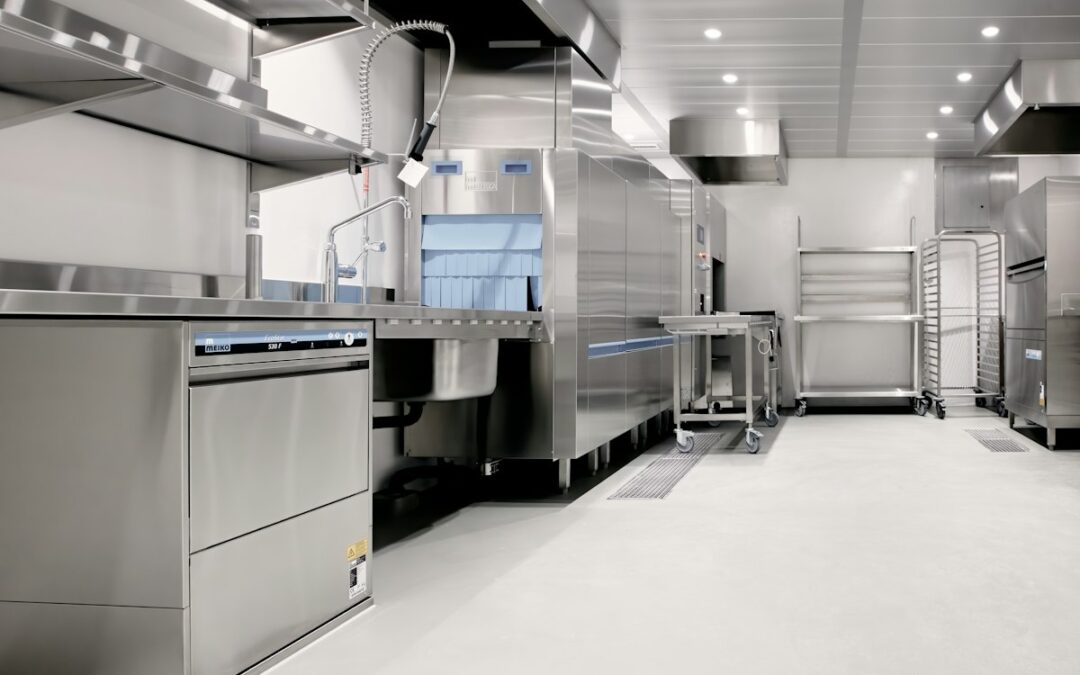
Cockroaches do not need a dirty business to move in.
A commercial building can look clean and well-maintained while still offering everything cockroaches need: food, moisture, warmth, shelter, and ways to get inside. In Alberta, the German cockroach is the most common type, and it can live in many different types of buildings.
That is why finding a cockroach should not automatically be treated as a cleaning problem. It is often a building-condition and pest-management problem.
So, what attracts cockroaches to commercial buildings in Edmonton? The answer usually involves several small conditions working together.
What Attracts Cockroaches to Commercial Buildings?
The biggest attractants are food residue, moisture, warmth, hiding places, and easy access.
Commercial properties can unintentionally provide all five at the same time. Restaurants are an obvious example, but offices, warehouses, retail spaces, healthcare facilities, apartment buildings, and other workplaces can also offer suitable conditions.
Even tiny food sources can matter. Cockroaches are scavengers and can feed on crumbs, grease, food residue, garbage, and other organic material. Health Canada notes that they are attracted to foods containing starches, sugars, and protein, although they can eat many other things when food is scarce.
Moisture is just as important. A leaking pipe under a sink, condensation around equipment, damp floor drains, or a forgotten mop bucket can provide the water a cockroach needs.
Then there is shelter. Cracks, wall voids, cardboard, equipment compartments, storage areas, and cluttered corners give cockroaches places to remain hidden during the day.
Are Cockroaches Attracted to Food in Offices and Businesses?
Yes, but commercial food sources are not limited to kitchens.
A break room can provide crumbs under a microwave. An employee refrigerator can have food residue underneath it. A vending machine can accumulate spills. A garbage room can provide a constant source of organic waste.
Even an office without food preparation can have enough food residue to support cockroach activity.
The important point is that small amounts of food become significant when they are available consistently. Cockroaches can survive on surprisingly little, so a business does not need overflowing garbage or visibly dirty floors to become attractive.
Food should be stored securely, spills should be cleaned promptly, and food waste should not remain in interior bins longer than necessary.
What Are Cockroaches Attracted to Besides Food?
Food gets most of the attention, but it is only one part of the equation.
A commercial building becomes particularly attractive when food is combined with moisture, heat, and undisturbed shelter.
| Attractant | Where It Can Occur in a Commercial Building | Why It Matters |
|---|---|---|
| Moisture | Leaking pipes, sinks, drains, condensation, mop areas | Provides drinking water and supports humid harbourage |
| Warmth | Motors, refrigerators, ovens, dishwashers, mechanical rooms | Creates protected conditions, especially in heated buildings |
| Shelter | Wall voids, cabinets, cardboard, storage areas | Allows cockroaches to hide and reproduce |
| Organic waste | Garbage rooms, dumpsters, food-service areas | Provides readily available food |
| Grease and residue | Behind cooking equipment, under appliances, around prep areas | Can remain available even after routine cleaning |
| Building gaps | Pipe penetrations, cracks, doors, utility openings | Creates routes into and through the building |
This combination explains why simply cleaning visible surfaces may not solve a recurring problem. Health Canada recommends addressing food, water, shelter, and the physical environment together rather than relying on pesticides alone.
How Can Businesses Prevent Cockroaches in Edmonton?
The most effective prevention strategy is to remove the conditions cockroaches need while making entry and harbourage more difficult.
For a commercial property, start with these practical checks:
- Control moisture. Repair plumbing leaks, address condensation, maintain drains, and avoid leaving standing water in work areas.
- Remove food and waste promptly. Clean spills, manage garbage, protect stored food, and pay attention to residue beneath and behind equipment.
- Reduce harbourage. Break down unnecessary cardboard, organize storage, and keep cracks, gaps, and concealed areas accessible for inspection.
- Inspect incoming materials. Check shipments, packaging, used equipment, and other items entering the building for signs of pest activity.
- Seal access points. Pay particular attention to gaps around doors, pipes, utilities, vents, and other structural openings.
These measures are especially important in food-related businesses, but they also apply to offices, retail spaces, warehouses, and other commercial properties.
If you are responsible for a commercial property and want a more structured approach to prevention, our commercial pest control solutions are designed around identifying the actual pest problem rather than automatically recommending unnecessary treatments.
When Should a Business Call a Professional for Cockroaches?
A single cockroach does not automatically prove that a building has a large infestation. However, repeated sightings deserve investigation.
Professional help becomes particularly important when cockroaches are appearing in multiple areas, employees are finding droppings or egg cases, activity continues after cleaning, or the source cannot be identified.
It is also worth acting quickly in food-service, healthcare, hospitality, and other businesses where pest activity can create significant sanitation or reputational concerns. Cockroaches can contaminate food and surfaces, and their droppings and body parts can contribute to allergen exposure.
At We Clean Pest Control, our approach starts with identifying the pest and confirming the actual problem before recommending treatment. We believe businesses should not have to pay for work they do not need.
If you need to investigate an existing infestation, see our guide to cockroach pest control in Edmonton for more information about the problem and available solutions.
Frequently Asked Questions About Cockroaches in Commercial Buildings
What attracts cockroaches the most?
Cockroaches are primarily attracted to access to food, water, warmth, and shelter. In commercial buildings, common sources include food residue, garbage, leaks, condensation, warm equipment, cardboard, storage areas, and structural gaps.
Can a clean commercial building still get cockroaches?
Yes. Cleanliness reduces available food and makes infestations less likely, but it cannot eliminate every possible entry route or hiding place. Cockroaches can enter on shipments, equipment, furniture, packaging, and other items. Alberta guidance specifically notes that cockroach presence is not necessarily proof of unsanitary conditions.
Why are cockroaches common around commercial kitchens?
Commercial kitchens combine several favourable conditions in one place: food residue, water, warmth, equipment, drains, storage areas, and numerous hiding places. Areas beneath or behind appliances can be particularly difficult to inspect and clean thoroughly.
Does seeing one cockroach mean there are more?
Not necessarily, but it should not be ignored. Cockroaches are mostly active at night and can remain hidden during the day. Repeated sightings, nymphs, egg cases, droppings, or activity in different areas are stronger indications that a population may be established.
Need Help Finding the Source?
Cockroach problems are easier to manage when you identify why the building is attractive to them, not just where the latest cockroach was seen.
That means looking beyond visible cleanliness and checking moisture, food residue, equipment, deliveries, storage, structural gaps, and connected areas.
For Edmonton businesses, We Clean Pest Control takes a practical approach: identify the pest, confirm the real problem, and recommend the most appropriate solution rather than automatically choosing the most expensive treatment. Learn more about We Clean Pest Control and how we approach commercial pest problems.
