
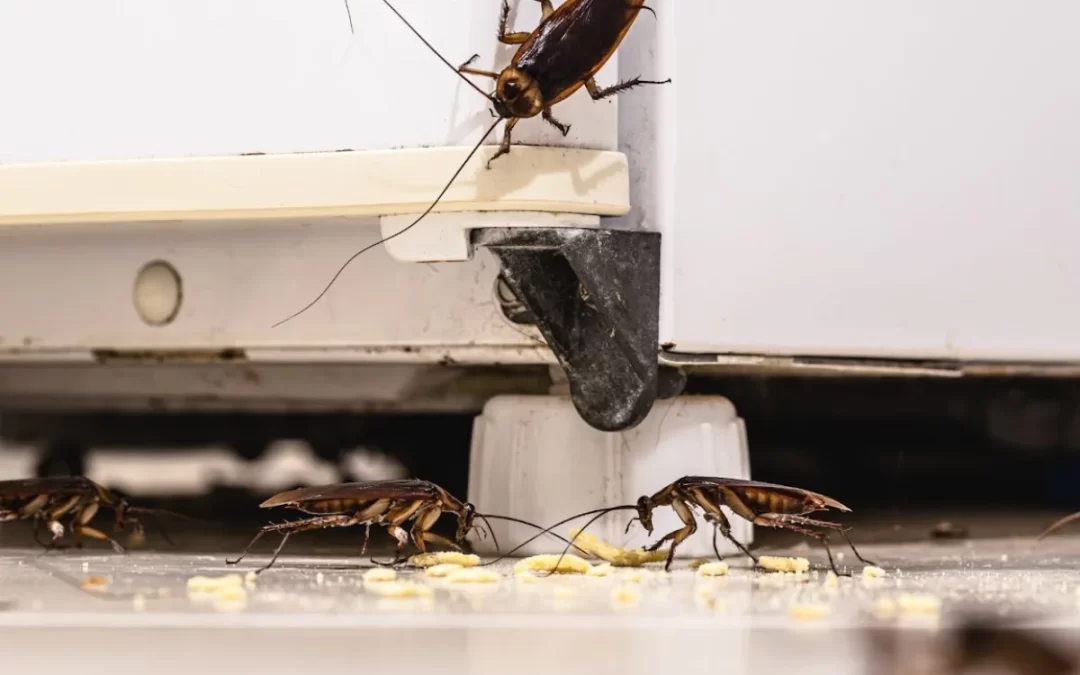
Seeing a cockroach in your home is enough to make most people uneasy. A common reaction is to wonder, “I saw one cockroach should I be worried?” The answer is: possibly, yes.
One cockroach does not automatically mean your home is infested, but it should never be ignored. Cockroaches are experts at staying hidden, and by the time you spot one, there may already be others living behind walls, under appliances, or inside cabinets.
Understanding what a single sighting means can help you decide whether to monitor the situation or take action before it becomes a much bigger problem.
Can One Cockroach Cause an Infestation?
Technically, one cockroach by itself cannot create an infestation unless it survives long enough to reproduce. However, in real-life situations, a lone cockroach is often not actually alone.
Cockroaches spend most of their time hiding in dark, humid spaces. They usually come out at night to search for food and water. If one is comfortable enough to wander into the open, it may indicate there are already others nearby.
Whether that single roach becomes a serious problem depends on several factors:
- The species of cockroach
- Whether it is male or female
- If it entered accidentally or is part of an established population
- How quickly the problem is addressed
For example, German cockroaches reproduce extremely quickly and are responsible for many indoor infestations. American cockroaches, on the other hand, are more commonly found entering from outside, although they can still establish themselves indoors under the right conditions.
I Saw One Cockroach Should I Be Worried?
In many cases, yes. While one sighting does not confirm an infestation, it is enough to justify paying closer attention.
You should be especially concerned if:
- The cockroach was found in the kitchen or bathroom.
- You spotted it during the daytime.
- It was small, suggesting young cockroaches are present.
- You have seen one more than once in the same area.
Daytime sightings deserve particular attention. Cockroaches are naturally nocturnal. If they are active during daylight, it may mean hiding places have become overcrowded, forcing some insects out earlier than normal.
It is also worth remembering that cockroaches do not need a dirty home to survive. Even clean houses provide food crumbs, moisture, warmth, and shelter that allow them to thrive.
What Are the Early Signs of a Cockroach Infestation?
Actually seeing cockroaches is only one warning sign. Many infestations are discovered because of other evidence long before homeowners regularly see live insects.
Look for signs such as:
- Small dark droppings that resemble coffee grounds or black pepper
- Brown egg cases (oothecae)
- Shed skins from growing cockroaches
- A persistent musty or oily odour
- Smear marks along walls or baseboards in humid areas
These signs often appear around kitchens, bathrooms, laundry rooms, utility spaces, and behind large appliances where moisture and food particles are available.
Finding multiple signs together usually suggests the population has been present for some time rather than arriving recently.
Can a Clean House Still Get Cockroaches?
Absolutely.
One of the biggest misconceptions is that cockroaches only infest dirty homes. While poor sanitation certainly helps them multiply, cleanliness alone does not prevent them from entering.
Cockroaches are often brought inside through:
- Grocery bags and cardboard boxes
- Second-hand furniture or appliances
- Shared walls in apartments or condominiums
- Plumbing and utility openings
- Cracks around doors and windows
Once inside, they simply need access to food, water, and shelter.
This is why residential pest control often focuses on much more than cleaning alone. Identifying entry points, moisture problems, and hidden harbourage areas is equally important for preventing long-term infestations.
How Fast Can Cockroaches Multiply?
Cockroaches have earned their reputation because of how quickly populations can grow.
A female German cockroach carries egg cases containing dozens of eggs. Under favourable indoor conditions, those young mature rapidly and begin reproducing themselves.
What starts as only a few hidden insects can become dozens or even hundreds within a relatively short period if left undisturbed.
The challenge is that homeowners rarely notice the first generation. Most people only become aware once cockroaches are regularly appearing in living spaces.
That is why delaying action after the first sighting often allows the problem to become much more difficult to eliminate.
What Should You Do After Seeing One Cockroach?
The first step is not to panic. Instead, treat the sighting as an opportunity to investigate before the situation gets worse.
Start by inspecting areas where cockroaches commonly hide. Pay close attention to kitchens, under sinks, behind refrigerators, inside cabinets, and around plumbing penetrations.
At the same time, reduce the conditions that attract them by storing food in sealed containers, wiping up crumbs, repairing water leaks, and emptying garbage regularly.
If you continue seeing cockroaches over several days or discover droppings or egg cases, it is time to consider professional help. At We Clean Pest Control, we always recommend identifying the actual source of the problem before deciding on treatment. Accurate identification prevents unnecessary services and ensures the right solution is used from the beginning.
When Should You Call a Professional?
DIY traps and sprays may reduce the number of visible cockroaches, but they rarely eliminate hidden breeding areas.
Professional inspection becomes especially valuable when:
- Cockroaches continue appearing after cleaning.
- Multiple family members have seen them.
- You live in a townhouse, apartment, or condo.
- Egg cases or droppings are present.
- The infestation appears to be spreading into additional rooms.
For homeowners looking for pest control for cockroaches in Edmonton, early intervention is almost always less expensive and less disruptive than waiting until the infestation becomes well established.
Professionals can identify where cockroaches are entering, locate nesting sites that homeowners often miss, and develop a treatment plan based on the severity of the infestation rather than simply treating visible insects.
Can You Prevent Cockroaches From Coming Back?
Long-term prevention focuses on making your home less attractive while removing opportunities for cockroaches to survive.
Good prevention includes sealing cracks around pipes and doors, fixing moisture issues, storing food properly, reducing clutter, and inspecting boxes or used furniture before bringing them indoors.
For multi-unit buildings, prevention often requires cooperation between neighbouring units because cockroaches can easily move through shared walls and utility lines.
Regular monitoring is often more effective than waiting until insects become visible again.
Frequently Asked Questions
Can one cockroach really mean there are more?
Yes. While a single cockroach does not guarantee an infestation, it often indicates additional cockroaches are hiding nearby. Because they spend most of their lives out of sight, visible sightings frequently represent only a small portion of the population.
Is seeing a cockroach during the day a bad sign?
Usually, yes. Cockroaches prefer darkness. Daytime activity can suggest overcrowding, food competition, or a growing infestation that is forcing insects out of their normal hiding places.
Will cockroaches go away on their own?
No. If food, water, and shelter remain available, cockroach populations generally continue growing rather than disappearing naturally.
How do I know if I need professional treatment?
If you continue finding cockroaches, discover droppings or egg cases, or live in a multi-unit building where insects may be moving between units, professional inspection is often the fastest way to determine the extent of the problem and prevent it from becoming much larger.
