
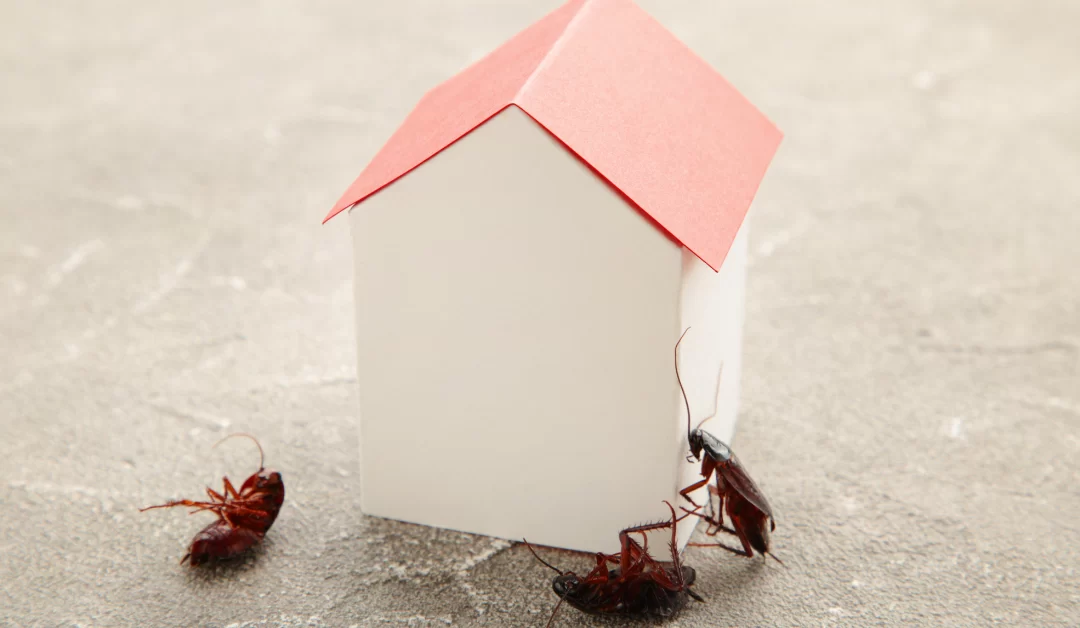
Most pest problems do not start with a major infestation. They start with a small oversight.
A gap under a door. A dripping pipe in the basement. A wasp nest the size of a golf ball that gets ignored for a few weeks. These seemingly minor issues often become the reason pests establish themselves on a property.
The good news is that many infestations are preventable. The bad news is that property owners often make the same mistakes year after year without realizing they’re creating ideal conditions for pests.
Whether you own a house, rental property, condo, or commercial building, understanding these common mistakes can help you avoid costly problems later.
What Attracts Pests to a Property?
Before discussing prevention mistakes, it’s important to understand what pests are actually looking for.
Most pests need the same basic things:
- Food
- Water
- Shelter
- Access
If a property consistently provides these resources, pests will eventually find it.
The challenge is that many attractants are easy to overlook. A leaky outdoor faucet, overflowing recycling bin, or small crack in the foundation may seem insignificant to a homeowner but highly attractive to insects and rodents.
Effective pest prevention starts with understanding what makes a property appealing in the first place.
Why Do Pests Keep Coming Back After Treatment?
This is one of the most common questions property owners ask.
In many cases, the treatment worked. The problem is that the conditions attracting pests never changed.
For example, eliminating ants inside the home may provide temporary relief. However, if food sources remain accessible or entry points remain open, new ants can simply move in.
The same applies to mice, cockroaches, wasps, and many other pests.
Prevention is not just about removing pests. It is about removing the reasons they were there.
Mistake #1: Ignoring Early Warning Signs
Many infestations become serious because the earliest signs were dismissed.
Property owners often assume a single mouse, a few ants, or occasional wasp activity is not worth worrying about.
Unfortunately, pests rarely announce themselves in large numbers at the beginning.
Common early warning signs include:
- Small droppings in storage areas
- Ant trails near windows or baseboards
- Scratching sounds in walls or ceilings
- Chewed food packaging
- Increased insect activity around specific areas
The sooner these signs are investigated, the easier the problem is usually to resolve.
Waiting often allows pests time to reproduce and spread throughout the property.
Mistake #2: Focusing Only on the Inside of the Building
Many people inspect their kitchens, basements, and bathrooms while completely ignoring the exterior.
In reality, most pest problems start outside.
Rodents, insects, and wasps first need a way into the structure. Exterior vulnerabilities often provide that opportunity.
Pay special attention to:
- Foundation cracks
- Utility line penetrations
- Damaged weather stripping
- Roofline gaps
- Poorly sealed vents
A thorough exterior inspection often reveals problems long before pests become visible indoors.
Can Small Cracks Really Cause Pest Problems?
Absolutely.
One of the biggest prevention mistakes is assuming small openings are harmless.
Mice can squeeze through gaps surprisingly small for their size. Ants require even less space. Some insects can enter through openings that are nearly impossible to notice without a close inspection.
Properties naturally shift and settle over time. As this happens, small gaps often develop around windows, doors, utility lines, and foundations.
These openings may seem insignificant, but pests view them as convenient entry points.
Mistake #3: Overlooking Moisture Problems
Food attracts pests, but water is often even more important.
Many infestations can be traced back to moisture issues that property owners did not realize existed.
Common sources include:
- Leaking pipes
- Condensation around HVAC equipment
- Poor drainage around foundations
- Clogged gutters
- Damp crawl spaces
Cockroaches, ants, rodents, and many other pests actively seek moisture-rich environments.
Addressing water problems often reduces pest activity significantly.
Why Are Pests Showing Up in a Clean Home?
This question surprises many homeowners.
Cleanliness helps reduce pest activity, but it is not a guarantee.
Even spotless homes can experience infestations if pests have access to water, shelter, or entry points.
For example, a perfectly clean home with a foundation crack may still attract mice seeking warmth during winter. Likewise, wasps are not attracted by cleanliness at all. They are looking for safe nesting locations.
Clean homes are generally less attractive to pests, but prevention requires more than housekeeping alone.
Mistake #4: Relying Entirely on DIY Solutions
DIY pest control products can sometimes help with minor issues. The problem arises when property owners rely on them as a complete prevention strategy.
Many products address visible pests while failing to identify the underlying cause.
A homeowner may eliminate a few ants without discovering the colony. They may trap one mouse while missing multiple entry points.
At We Clean Pest Control, we often encounter situations where repeated DIY treatments temporarily reduced activity but never addressed the factors allowing pests to return.
Effective prevention requires understanding why the pests appeared in the first place.
Mistake #5: Neglecting Landscaping
Landscaping plays a larger role in pest prevention than many people realize.
Trees, shrubs, mulch, and decorative features can all influence pest activity around a property.
Some common mistakes include:
- Allowing tree branches to touch the roof
- Placing mulch directly against the foundation
- Storing firewood beside the home
- Allowing dense vegetation to block inspections
These conditions create shelter and travel routes for pests while making potential entry points harder to detect.
A well-maintained yard is often one of the most effective pest prevention tools available.
How Often Should a Property Be Inspected for Pests?
Many people wait until they see pests before performing an inspection.
A better approach is regular preventive inspections.
Seasonal inspections can help identify:
- New entry points
- Developing moisture problems
- Early nesting activity
- Structural vulnerabilities
- Signs of pest activity before infestations occur
This is particularly important for property owners in Edmonton, where seasonal weather changes can influence pest behavior throughout the year.
Fall and spring are often ideal times to inspect for emerging risks.
Mistake #6: Assuming One Treatment Solves Everything
Pest prevention is not a one-time event.
Weather conditions change. Buildings settle. Landscaping grows. New vulnerabilities develop.
A property that was secure last year may have entirely different risk factors today.
Long-term prevention requires ongoing awareness rather than a one-time response.
This is especially important for rental properties, commercial buildings, and multi-unit complexes where pest pressure can change rapidly as occupancy and environmental conditions evolve.
Frequently Asked Questions
What is the most common pest prevention mistake?
Ignoring early warning signs is one of the most common mistakes. Small issues often become larger infestations when action is delayed.
Does a clean house guarantee no pests?
No. While cleanliness helps reduce attractants, pests may still enter through structural gaps, seek moisture, or use the home as shelter.
How often should pest inspections be done?
Most properties benefit from at least one or two inspections per year, particularly during seasonal transitions.
Are DIY pest control products effective?
Some products can help manage minor issues, but they often address symptoms rather than the root cause of recurring pest problems.
Prevention Is Easier Than Elimination
Most pest infestations do not happen overnight. They develop gradually as small vulnerabilities go unnoticed.
A tiny foundation crack, an overlooked leak, or a neglected section of landscaping may not seem important today. Over time, however, these conditions can create exactly what pests need to survive and multiply.
The most successful property owners are not necessarily the ones who react fastest to infestations. They are the ones who consistently look for problems before pests have the opportunity to move in. A little prevention today can save significant time, expense, and frustration in the future.
