
If you spot a spider in your home, your first reaction might be to wonder whether it is dangerous. The good news is that the vast majority of spiders found in Alberta are harmless to people. While some species can bite if they feel trapped or threatened, serious medical reactions are extremely uncommon.
Still, knowing which spiders you are looking at can help you react appropriately. Understanding where spiders hide, why they enter homes, and which species deserve extra caution can also reduce unnecessary worry.
In this guide, we’ll look at the most common dangerous spiders in Alberta, explain which ones are actually a concern, and share practical tips for preventing spiders from settling inside your home.
Are There Dangerous Spiders in Alberta?
When people search for dangerous spiders alberta, they are often surprised by the answer.
Alberta is home to hundreds of spider species, but only a very small number have venom that may cause significant symptoms in humans. Even then, bites are rare because spiders generally avoid people whenever possible.
Most spiders found around homes are beneficial predators. They feed on flies, mosquitoes, ants, and other insects that homeowners would rather not have indoors. They usually bite only if they are accidentally squeezed, trapped inside clothing, or handled directly.
For most residents, spiders are more of a nuisance than a genuine safety risk.
What Is the Most Dangerous Spider in Alberta?
The western black widow is considered the most medically significant spider that may be found in parts of Alberta.
Female black widows are glossy black with a distinctive red or orange hourglass-shaped marking underneath the abdomen. Males and young spiders often look quite different and are much smaller.
Black widows prefer quiet, sheltered places such as:
- Wood piles
- Sheds
- Crawl spaces
- Outdoor storage areas
- Under decks and outdoor furniture
Although their venom is potent, bites are uncommon because these spiders are not aggressive. Most bites happen when someone accidentally reaches into a hiding place without seeing the spider first.
Symptoms may include severe pain, muscle cramping, sweating, nausea, and abdominal discomfort. Anyone who suspects a black widow bite should seek medical attention promptly.
Are Brown Recluse Spiders Found in Alberta?
This is one of Google’s most common questions, and the answer is reassuring.
Brown recluse spiders are not native to Alberta.
Occasionally, an individual spider may arrive in the province through shipping containers, moving boxes, or transported goods from warmer regions. However, established brown recluse populations have not been found in Alberta.
Brown recluse spiders are often blamed whenever someone discovers a mysterious brown spider indoors, but in reality, most of those sightings turn out to be harmless local species.
If you find an unfamiliar spider, avoid handling it directly and, if possible, take a clear photo for identification.
Common Spiders You May Find Around Alberta Homes
Many spiders regularly enter homes, garages, and basements. Fortunately, most are harmless.
Some of the species homeowners encounter most often include:
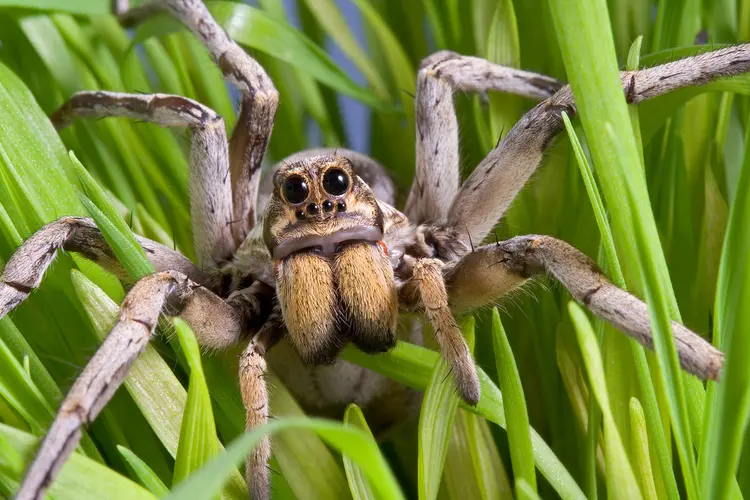
- Wolf spiders, which are fast-moving hunters that do not build large webs.
- Cellar spiders (often called daddy longlegs), commonly found in damp basements and ceiling corners.
- Jumping spiders, recognized by their excellent vision and quick movements.
- Orb-weaving spiders, famous for building large circular webs outdoors.
- House spiders, which often create webs in quiet indoor corners.
These spiders rarely bite people. Even when they do, the symptoms are usually limited to mild redness, swelling, or irritation that resolves on its own.
Why Do Spiders Come Inside Your Home?
Spiders usually enter buildings because they are following food rather than looking for people.
A home with plenty of insects provides an excellent hunting ground. Warm indoor temperatures also allow spiders to remain active when outdoor conditions become colder.
Common reasons spiders move indoors include:
- Small cracks around doors, windows, or foundations
- Gaps around utility pipes
- Outdoor lights that attract flying insects
- Cluttered storage areas with plenty of hiding places
Basements, garages, utility rooms, and storage spaces tend to be the most attractive locations because they are dark, quiet, and undisturbed.
If you notice a growing number of spiders, it can sometimes indicate another insect problem that is supplying them with food.
How Can You Keep Spiders Out of Your House?
Preventing spiders is usually easier than removing an established population.
Start by making your home less attractive to both spiders and the insects they feed on.
Some of the most effective prevention steps include:
- Seal cracks around windows, doors, and your home’s foundation.
- Repair damaged window screens.
- Remove webs whenever you see them.
- Vacuum corners, storage areas, and basements regularly.
- Reduce clutter where spiders can hide.
- Keep wood piles and stored materials away from exterior walls.
- Reduce outdoor lighting that attracts flying insects whenever practical.
These simple measures can significantly reduce indoor spider activity over time.
When Should You Call a Professional?
Finding one spider does not usually mean you have an infestation.
However, professional help may be worthwhile if you notice spiders repeatedly appearing throughout your home, large numbers of webs returning shortly after removal, or if you suspect a venomous species.
At We Clean Pest Control, the first step is always identifying the actual problem before recommending treatment. Sometimes the solution involves addressing another pest that is attracting spiders rather than focusing on the spiders themselves.
Professional inspections can also identify entry points and environmental conditions that allow spiders to keep returning.
What Does a Spider Exterminator in Edmonton Actually Do?
Many homeowners assume treatment simply involves spraying for spiders, but effective control is usually much broader.
A spider exterminator in Edmonton will typically inspect the property, identify the spider species involved, locate entry points, remove existing activity where appropriate, and recommend long-term prevention strategies.
Since spiders feed on other insects, reducing their food source is often just as important as removing the spiders themselves. A complete inspection helps determine whether another pest issue is contributing to the problem.
Where We Can Help With Pests
Spider concerns sometimes appear alongside other household pest problems. Homes with insects such as ants, flies, or cockroaches naturally attract predators that feed on them.
This is where we can help with pests by identifying the underlying issue instead of treating only the visible symptoms. Whether the concern involves residential homes, apartments, or commercial properties, solving the root cause usually delivers longer-lasting results than focusing on spiders alone.
Frequently Asked Questions
Are spiders in Alberta poisonous?
Technically, spiders are venomous rather than poisonous. Nearly all spiders produce venom to catch prey, but very few species in Alberta have venom that poses a significant medical risk to humans.
Should I worry if I find a black spider in my house?
Not necessarily. Many harmless house spiders are dark in colour. Unless you can clearly identify a western black widow or another medically significant species, there is usually no reason for alarm. Avoid handling the spider directly and monitor the situation.
Why am I suddenly seeing more spiders indoors?
Spider activity often becomes more noticeable in late summer and fall as some species mature and others move indoors seeking shelter or following insect prey. Increased sightings do not always indicate a serious infestation.
Can spiders indicate another pest problem?
Yes. Because spiders feed on insects, a growing spider population may suggest there is an underlying insect issue providing them with a reliable food source. Addressing that problem often reduces spider activity as well.
Knowing the difference between harmless house spiders and the few dangerous spiders in Alberta can help you respond with confidence instead of fear. While medically significant species are uncommon, repeated spider activity or uncertainty about identification is always worth investigating. Understanding why spiders enter your home, reducing their food sources, and preventing easy access are the most effective ways to keep them from becoming a recurring problem.
