
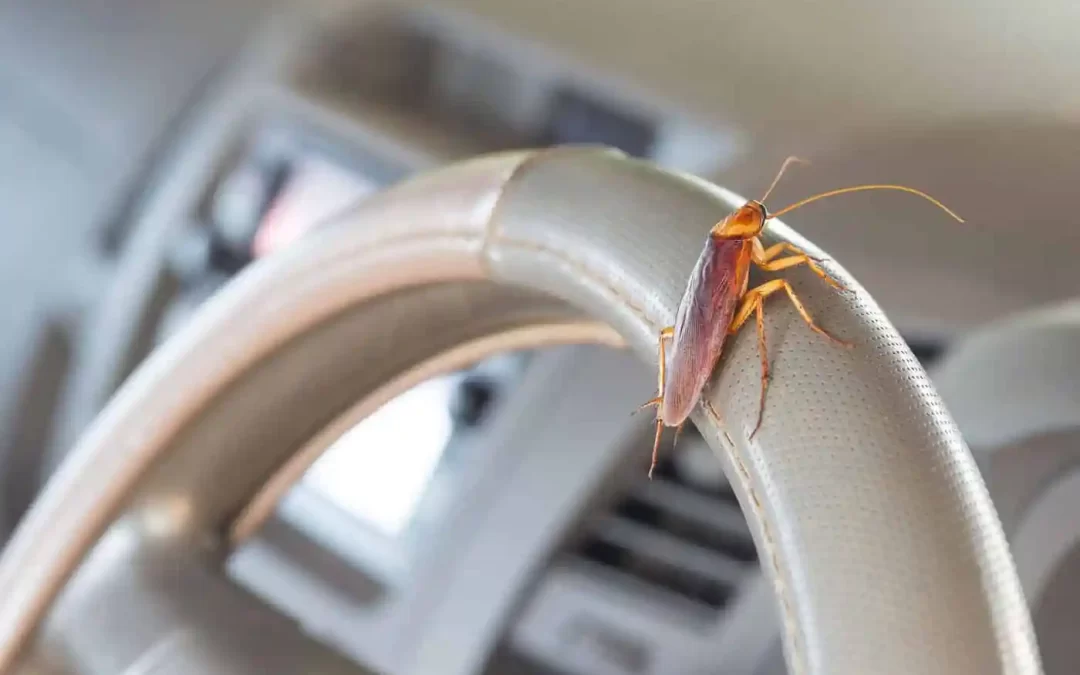
Finding a suspicious bug on your car seat is enough to make anyone uneasy. It immediately raises questions: Can bed bugs survive in a car? Could they spread into your home? Is your vehicle now infested?
The good news is that bed bugs in cars are far less common than infestations inside homes, hotels, or apartments. However, it is absolutely possible for them to survive in a vehicle under the right conditions. Because they are excellent hitchhikers, they can travel on luggage, backpacks, clothing, or second-hand furniture and end up inside your car without you noticing.
Understanding how bed bugs behave, where they hide, and when you should take action can help you stop a small problem from becoming a much bigger one.
Can Bed Bugs Survive in a Car?
Yes, can bed bugs survive in a car is one of the most common questions homeowners ask, and the answer is yes.
A vehicle provides many of the hiding places bed bugs prefer. They can squeeze into tiny cracks around seat seams, beneath floor mats, inside storage compartments, or behind interior trim panels. As long as temperatures remain within a survivable range, they can stay hidden for weeks or even months.
Unlike ants or cockroaches, bed bugs are not attracted to leftover food. They only feed on blood, which means they typically remain hidden until a person spends enough time in the vehicle for them to feed.
Fortunately, cars rarely become their permanent home. Most infestations begin elsewhere, and the vehicle simply becomes another place they travel through.
How Do Bed Bugs Get Into Your Car?
Bed bugs do not crawl across parking lots looking for vehicles. Nearly every case starts because they hitch a ride on something that has already been exposed.
Some of the most common ways they end up in a vehicle include:
- Luggage after staying in a hotel or vacation rental
- Clothing, backpacks, or purses placed on an infested surface
- Used furniture or mattresses transported in the vehicle
- Shared rides, taxis, or moving trucks that previously carried infested items
Once inside, they look for dark, protected spaces where they are unlikely to be disturbed.
This is why bed bugs and cars are often connected after travel rather than everyday driving.
Where Do Bed Bugs Hide in a Vehicle?
Bed bugs avoid open, exposed areas. They prefer tight spaces that keep them protected during the day.
Inspect these locations first if you suspect an issue:
- Seat seams and stitching
- Underneath seats and floor mats
- Between seat cushions
- Door pockets and storage compartments
- Inside the trunk around carpet edges
- Around child car seats
- Beneath removable interior panels
A flashlight and a careful inspection usually work better than a quick glance. Adult bed bugs are visible, but eggs and young nymphs are tiny and much harder to spot.
What Are the Signs of Bed Bugs in a Car?
Seeing a live insect is only one possible clue. In many cases, the evidence is much more subtle.
Watch for signs such as:
- Small dark or black spots that resemble ink stains
- Tiny pale shed skins
- White eggs hidden inside seams or cracks
- Reddish stains from crushed bugs
- Live bed bugs hiding near upholstery
Because bed bugs in car interiors often remain hidden, many people first notice bites after repeated trips rather than immediately spotting the insects themselves.
Keep in mind that bites alone cannot confirm bed bugs. Mosquitoes, fleas, and other insects can leave similar marks.
Can Bed Bugs Live in a Car During Winter?
This is another question that frequently appears in Google searches.
Cold weather certainly makes survival harder, but winter does not automatically eliminate bed bugs.
If a vehicle sits outside for extended periods in extremely cold Alberta temperatures, many bed bugs may eventually die. However, temperatures inside a garage or during regular daily use may stay warm enough for some to survive.
Likewise, hot summer weather is not always enough to eliminate them. Although parked vehicles can become extremely hot, the temperature may not remain high enough throughout every hiding place for long enough to kill every life stage, especially eggs.
In other words, you should never assume seasonal weather has solved the problem on its own.
How Do You Check a Car for Bed Bugs?
A systematic inspection is much more effective than randomly searching.
Start by removing unnecessary clutter from the vehicle. Then carefully inspect upholstered surfaces using a flashlight, paying close attention to seams, folds, and tight gaps.
Next, lift removable floor mats, check under the seats, inspect the trunk carpeting, and examine any fabric storage compartments.
If you recently traveled, inspect your luggage before bringing it back inside your home. Many home infestations begin because an unnoticed bed bug travels from the vehicle into a bedroom.
How Do You Get Rid of Bed Bugs in a Vehicle?
If you find evidence of bed bugs, early action gives you the best chance of preventing a larger infestation.
Begin with a thorough cleaning:
- Vacuum every upholstered surface, paying special attention to cracks, seams, and hidden corners. Empty the vacuum immediately into a sealed bag.
- Steam clean fabric surfaces where appropriate. Properly applied steam can reach temperatures that kill bed bugs and many of their eggs.
- Wash removable fabric items according to their care instructions and dry them using high heat whenever possible.
- Continue monitoring the vehicle over the following weeks to ensure no signs remain.
Some infestations are limited to only a few hitchhiking bugs. Others may spread into your home before you even realize they are present.
If you suspect both your vehicle and home have been exposed, professional bed bugs removal services are often the fastest way to prevent the infestation from growing.
Can Bed Bugs Spread From Your Car to Your Home?
Yes. This is actually the biggest concern.
A car usually serves as transportation rather than the original source of the infestation. Bed bugs may move between your vehicle and your home by hitching rides on clothing, bags, backpacks, or personal belongings.
That is why experts recommend inspecting luggage after travel and avoiding bringing potentially infested items directly into bedrooms.
At We Clean Pest Control, one of the most common situations involves homeowners discovering bed bugs after returning from a trip, only to realize the insects have already been carried between the vehicle and the house.
Acting quickly reduces the chances of that happening.
How Can You Prevent Bed Bugs in Your Car?
Prevention is much easier than dealing with an established infestation.
Simple habits can make a significant difference:
- Inspect hotel rooms before unpacking.
- Keep luggage off beds and upholstered furniture while traveling.
- Check second-hand furniture before transporting it.
- Vacuum your vehicle regularly.
- Reduce clutter where insects can hide.
- Inspect bags and clothing after returning from trips.
These steps will not eliminate every risk, but they greatly reduce the chances of bringing unwanted passengers home.
Frequently Asked Questions
Can bed bugs survive in a car without feeding?
Yes. Adult bed bugs can survive for surprisingly long periods without a blood meal, especially in moderate temperatures. This allows them to remain hidden inside a vehicle until another opportunity to feed appears.
Are bed bugs in vehicles common?
No. Bed bugs in vehicle interiors are possible, but they are much less common than infestations in homes, apartments, hotels, or dormitories. Vehicles usually act as temporary transportation rather than permanent nesting sites.
Will leaving my car in the sun kill bed bugs?
Not reliably. While interior temperatures can become very high, heat may not penetrate every hiding place long enough to eliminate all bed bugs and their eggs. Professional heat treatment is much more controlled and effective.
Should I worry if I find one bed bug in my car?
Yes, but do not panic. One bed bug does not automatically mean your vehicle is heavily infested. It does mean you should inspect both your car and your home carefully, since bed bugs rarely travel alone.
If you continue finding evidence after cleaning or suspect they have spread indoors, it is best to address the problem promptly before the population grows.
