
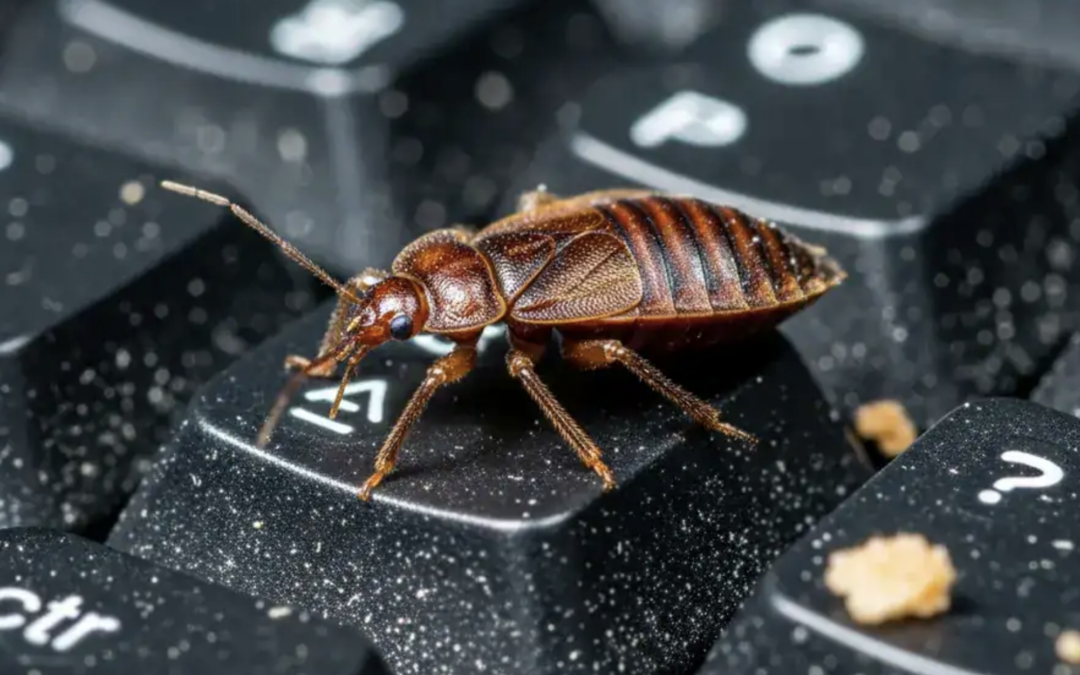
Finding bed bugs in your home is stressful enough. Discovering them near your laptop, television, or gaming console can make the situation even more confusing. Many homeowners wonder whether they should throw away expensive electronics or whether these items can become permanent hiding places for bed bugs.
The good news is that electronics are not where bed bugs prefer to live. However, under the right conditions, they can temporarily hide inside or around electronic devices. Understanding the relationship between electronics and bed bugscan help you respond appropriately and avoid making an already difficult situation more expensive.
Can Bed Bugs Hide in Electronics?
Yes, bed bugs can hide in electronics, but it is not their preferred habitat.
Bed bugs look for dark, narrow spaces where they can remain undisturbed during the day. The small gaps around laptops, alarm clocks, game consoles, routers, televisions, and power strips can sometimes provide temporary shelter.
What attracts them is not the electronic device itself. Instead, it is the location. Electronics placed next to a bed or upholstered furniture are close to their food source—you.
In most cases, bed bugs spend the night feeding on people and return to nearby hiding places before daylight. If a device offers a protected crack or opening, they may use it until a better hiding spot becomes available.
Why Do Bed Bugs Hide in Electronics?
Bed bugs are not attracted to electricity, batteries, or electromagnetic fields.
Instead, they respond to factors such as:
- Warmth after a device has been running
- Tight, protected spaces
- Minimal disturbance during the day
- Proximity to sleeping areas
For example, a laptop sitting on a bedside table every night may become a temporary hiding place simply because it is close to where people sleep.
This explains why discussions about bed bugs and electronics often focus on bedside devices rather than appliances located elsewhere in the home.
Which Electronics Are Most Likely to Harbor Bed Bugs?
Not every electronic device presents the same level of risk.
Items that remain near beds or sofas for long periods are more likely to shelter bed bugs than devices stored in kitchens or offices.
Examples include:
- Laptops used in bed
- Alarm clocks
- Charging stations
- Gaming consoles beside televisions
- Wi-Fi routers near bedrooms
- Extension cords and power bars
- Desktop computers located beside upholstered chairs
Large household appliances, such as refrigerators, washing machines, or microwaves, rarely become hiding places because they are usually far from where people sleep.
How Can You Tell if Bed Bugs Are Hiding in Electronics?
Bed bugs are excellent at staying out of sight, so it is uncommon to see them crawling out of a device.
Instead, look for signs around the electronics themselves.
You may notice:
- Small black spotting nearby
- Shed bed bug skins
- Tiny white eggs in surrounding cracks
- Live bed bugs around power cords or underneath the device
- Bed bug activity on nearby furniture
Because these signs can be subtle, homeowners sometimes assume the electronics caused the infestation when the actual hiding place is a nearby bed frame, nightstand, or upholstered chair.
If you suspect an infestation, bed bugs removal services often include inspecting nearby furniture and structural hiding places instead of focusing only on the electronic devices themselves.
Should You Throw Away Electronics if You Have Bed Bugs?
Usually, no.
Throwing away expensive electronics rarely solves the problem because the device is often not the primary hiding place.
In many cases, removing a laptop or television simply leaves the main infestation untouched inside the room.
Instead, avoid moving electronics unnecessarily between rooms. Carrying devices from an infested bedroom into another part of the house may accidentally spread bed bugs if any are hiding inside.
If you need to transport electronics, inspect them carefully first and follow professional recommendations based on the extent of the infestation.
Can Bed Bugs Damage Electronic Devices?
No.
Unlike rodents, bed bugs do not chew wires, insulation, or plastic components.
They feed exclusively on blood and have no interest in electrical parts.
The concern is not damage to the electronics themselves but their potential to provide temporary shelter during an infestation.
That means replacing electronics is rarely necessary unless the device is no longer functional for unrelated reasons.
How Do You Check Electronics for Bed Bugs?
If you believe bed bugs may be hiding around a device, avoid taking it apart unless you know how to reassemble it safely.
Instead, begin with a careful visual inspection.
Look around:
- Vent openings
- Charging ports
- Rubber feet
- Seams and joints
- Power cables
- Underneath the device
- The furniture where the device sits
A flashlight can help reveal insects hiding inside narrow gaps.
Remember that nearby furniture deserves just as much attention. Bed bugs are often found behind headboards, inside nightstands, beneath mattresses, and along baseboards rather than inside the electronics themselves.
Can Bed Bugs Spread Through Electronics?
They can, but it is not the most common way infestations spread.
Bed bugs are much more likely to travel on luggage, clothing, backpacks, furniture, or mattresses.
However, portable electronics that are moved frequently between homes, hotels, dormitories, or offices can occasionally transport a few insects if they have found shelter inside the device.
This is one reason why laptops used during travel deserve a quick inspection before being brought back into bedrooms.
What Should You Do if You Find Bed Bugs Near Electronics?
The first step is to avoid panic.
Finding bed bugs near electronics does not necessarily mean the devices are heavily infested.
Instead:
- Inspect the surrounding furniture carefully.
- Reduce clutter around sleeping areas.
- Avoid moving electronics into other rooms unnecessarily.
- Monitor for additional signs over the following days.
If activity continues, identifying the source of the infestation becomes more important than treating individual devices.
At We Clean Pest Control, inspections focus on locating where bed bugs are actually living rather than assuming electronics are the primary problem. Because bed bugs typically hide close to where people sleep, a thorough inspection often identifies more significant hiding places than electronic equipment alone.
Frequently Asked Questions
Can bed bugs live inside electronics?
Yes. Bed bugs can temporarily hide inside electronics if there are suitable cracks or openings. However, they usually prefer hiding places closer to mattresses, furniture, and bed frames.
Do bed bugs like electronics because they are warm?
Warm electronics may provide a comfortable temporary shelter, but heat is not the main attraction. Bed bugs choose locations that are close to people and offer dark, protected spaces.
Should I bag electronics during a bed bug treatment?
This depends on the treatment plan being used. In many situations, electronics remain in place so technicians can treat the surrounding areas effectively. Always follow the instructions provided during the inspection.
Can bed bugs survive in a laptop for a long time?
They can survive inside a laptop for a period if they have access to regular blood meals nearby. Without feeding opportunities, they eventually die, but they can survive for weeks or even months depending on temperature and life stage.
Understanding the Real Risk of Bed Bugs and Electronics
While electronics and bed bugs are often mentioned together, electronics are rarely the source of an infestation. They simply offer another small hiding place when located close to where people sleep.
The priority should always be finding the main harborages rather than replacing expensive devices. Early identification, careful inspection, and addressing the infestation as a whole are far more effective than focusing on a single laptop or television. If bed bug activity continues despite your efforts, a professional inspection can determine exactly where the insects are hiding and what steps are needed to eliminate them.
