
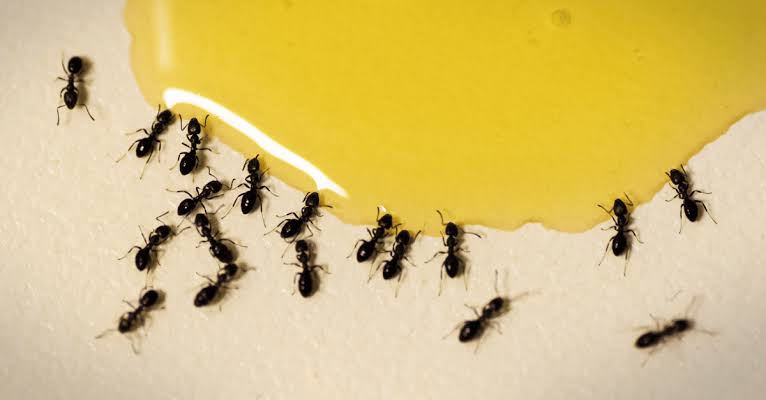
You wipe the counter, put the food away, and a few hours later another line of ants appears. Sound familiar? Finding ants in kitchen spaces is one of the most common household pest problems, especially during the warmer months. Once scout ants discover a reliable source of food or moisture, they quickly recruit the rest of the colony.
The good news is that getting rid of kitchen ants is possible. The key is treating the cause of the problem rather than only the ants you can see. In this guide, we’ll explain why ants enter kitchens, what methods actually work, and how to prevent them from returning.
Why Do I Suddenly Have Ants in My Kitchen?
Many homeowners wonder why ants seem to appear overnight. In reality, the colony has likely been nearby for some time.
Worker ants constantly search for food and water. Once one ant finds something worthwhile, it leaves behind a pheromone trail that guides hundreds of others to the same location.
Common reasons ants invade kitchens include:
- Sweet spills, crumbs, or grease left on countertops
- Pet food bowls left out overnight
- Leaking faucets or pipes that provide moisture
- Open food containers inside cabinets or pantries
- Tiny gaps around windows, doors, or utility lines that allow ants inside
Even a few unnoticed crumbs behind a toaster or coffee maker can be enough to attract an entire colony.
How to Get Rid of Ants in Kitchen Without Making the Problem Worse
If you’re searching for how to get rid of ants in kitchen, your first instinct may be to spray every ant you see. While this removes visible insects, it rarely solves the infestation.
Most of the colony remains hidden inside walls, beneath floors, outdoors, or under concrete. Killing only the worker ants leaves the queen untouched, allowing the colony to continue producing more ants.
Instead, start by identifying where the ants are traveling.
Watch their movement for several minutes rather than immediately wiping them away. Their trail often leads to an entry point or reveals the area where bait will be most effective.
Cleaning the trail afterward is also important because it removes the scent markers that encourage more ants to follow the same path.
What Is the Best Way to Kill the Entire Ant Colony?
The most effective solution is usually ant bait.
Unlike sprays that kill ants on contact, bait works slowly. Worker ants carry it back to the nest, where it is shared throughout the colony, including with the queen.
Although you may notice more ants around the bait during the first few days, this is actually a positive sign. It means the workers are transporting the product deeper into the colony.
For the best results:
- Place bait directly beside active ant trails.
- Avoid spraying insecticides near the bait, as this can discourage ants from taking it.
- Allow several days for the bait to work before replacing or moving it.
- Continue monitoring activity until the trail disappears completely.
Patience often produces better long-term results than repeatedly spraying visible ants.
Why Do Ants Keep Coming Back After I Clean Everything?
Many homeowners clean thoroughly yet continue seeing ants.
The reason is simple: cleaning removes food, but it doesn’t eliminate the colony or block future entry points.
This is why prevention is just as important as treatment. At We Clean Pest Control, we often remind homeowners that successful ant control combines eliminating the existing colony with reducing the conditions that attracted it in the first place.
Pay special attention to areas that are easy to overlook, including:
- Under refrigerators and dishwashers
- Behind garbage bins
- Around pet feeding stations
- Inside pantry corners
- Under sinks where moisture collects
Regular cleaning in these hidden locations can make your kitchen much less attractive to foraging ants.
How Can I Find Where the Ants Are Coming From?
Following the trail is one of the easiest ways to locate the source.
Ants usually enter through surprisingly small openings, including foundation cracks, gaps around plumbing, damaged weather stripping, or tiny spaces beneath doors.
Once you’ve identified where they’re entering, inspect the surrounding area for conditions that encourage activity.
Look for:
- Moisture around plumbing fixtures
- Tree branches touching your home
- Mulch piled directly against the foundation
- Cracks in exterior walls
- Food debris near entry points
Finding the entry route allows you to seal it once the colony has been eliminated.
Do Natural Remedies Really Work?
People often ask, how can i get rid of ants in the kitchen using natural products.
Some household remedies can temporarily disrupt ant trails, but they usually don’t destroy the colony.
For example, vinegar solutions may erase pheromone trails, making it harder for ants to navigate. Cinnamon, citrus oils, or peppermint may also discourage activity in certain areas.
However, these methods generally provide short-term relief rather than permanent control.
Natural approaches work best alongside good sanitation, proper food storage, and sealing entry points rather than as standalone solutions.
How Can I Prevent Ants From Coming Back?
Long-term prevention focuses on making your home less appealing to ants.
Simple habits often make the biggest difference:
- Store dry goods in airtight containers.
- Wipe up spills as soon as they happen.
- Empty indoor garbage regularly.
- Fix plumbing leaks promptly.
- Keep countertops free of crumbs overnight.
- Seal cracks around windows, doors, and utility lines.
- Trim vegetation touching the exterior of your home.
Many homeowners who invest in residential pest control also schedule routine inspections, particularly if they’ve experienced recurring ant problems in previous years. Preventative monitoring can identify conditions that attract pests before they become larger infestations.
When Should You Call a Professional?
Small ant trails can often be managed with proper baiting and prevention. However, some situations require expert help.
Consider contacting a professional if:
- Ants continue returning after several weeks of treatment.
- Multiple trails appear throughout the home.
- You cannot locate where the ants are entering.
- The infestation involves carpenter ants, which may damage wood.
- Ants repeatedly invade despite careful cleaning and sealing.
An experienced ant exterminator in Edmonton can identify the species, locate hidden nesting areas, and recommend treatment methods based on the specific infestation rather than applying a one-size-fits-all approach.
Professional identification is particularly important because different ant species often require different control strategies.
Frequently Asked Questions
Why do I keep getting ants in my kitchen?
Ants usually enter kitchens because they’re searching for food or water. Even small crumbs, sugary spills, grease, or moisture from plumbing leaks can attract worker ants that eventually lead the rest of the colony inside.
How long does it take to get rid of kitchen ants?
If bait is used correctly, activity often begins decreasing within several days. Larger colonies may take one to two weeks to eliminate completely, depending on their size and location.
Should I kill every ant I see?
Removing individual ants won’t eliminate the colony. It’s usually more effective to use bait that workers carry back to the nest, allowing the treatment to reach the queen and the rest of the colony.
Can ants come back after treatment?
Yes. New colonies can invade if food sources, moisture, or entry points remain available. Regular cleaning, sealing gaps, and eliminating attractants significantly reduce the chances of future infestations.
Keep Your Kitchen Ant-Free for the Long Term
Learning how to get rid of ants in kitchen starts with understanding why they’re there in the first place. Eliminating visible ants is only one part of the solution. Removing food sources, using effective bait, sealing entry points, and addressing moisture issues all help stop the problem at its source.
If ants continue returning despite your efforts, professional inspection can identify hidden colonies and provide a targeted solution before the infestation grows. A combination of prompt action and ongoing prevention is the best way to keep your kitchen clean, comfortable, and ant-free throughout the year.
