
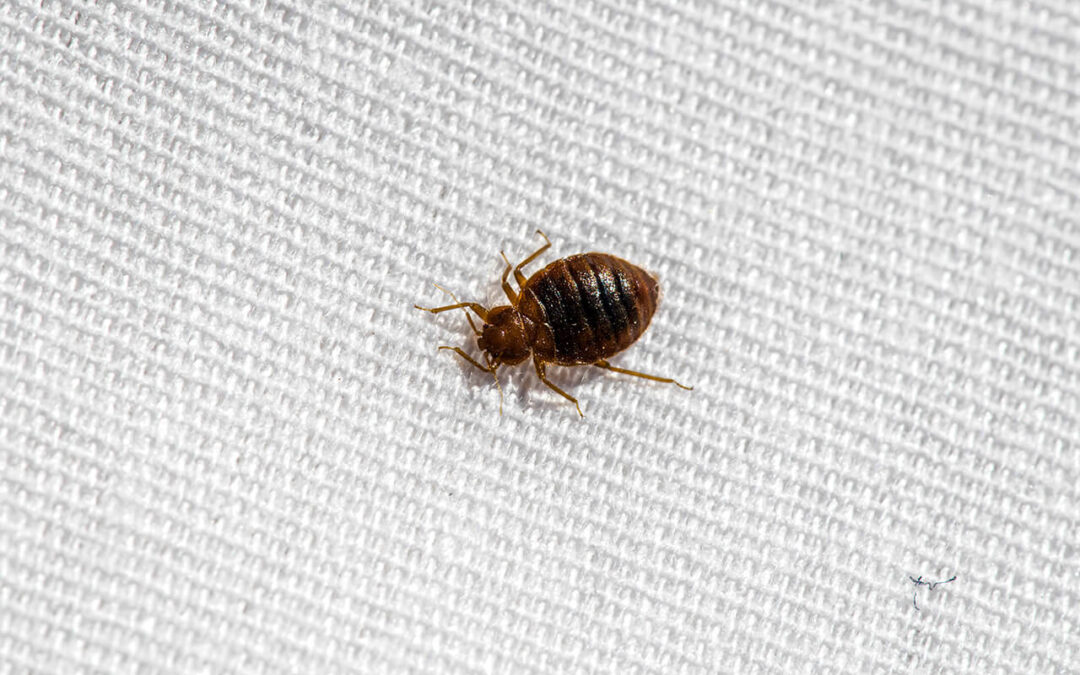
Most pest problems become more expensive when left untreated. Bed bugs are different because the cost can escalate surprisingly fast.
A few bed bugs hidden around a bed frame can turn into hundreds within a matter of months. What starts as a relatively simple issue may eventually involve multiple rooms, damaged furniture, disrupted sleep, and significantly higher treatment costs.
Many homeowners assume bed bugs are mostly a nuisance. In reality, they are one of the most financially draining pest problems because they spread quietly, reproduce quickly, and become increasingly difficult to eliminate as populations grow.
If you suspect bed bugs in your home, taking action early is almost always easier, less stressful, and far less expensive than waiting.
Why Are Bed Bugs So Difficult to Get Rid Of?
Bed bugs have evolved to survive in exactly the places people spend the most time: bedrooms, furniture, and living spaces.
Unlike pests that remain visible, bed bugs are experts at hiding. They can squeeze into tiny cracks around bed frames, headboards, baseboards, electrical outlets, furniture joints, and even behind wall décor.
Several characteristics make them especially challenging:
- They are active primarily at night.
- They can survive for months without feeding.
- Their eggs are extremely small and difficult to detect.
- A single female can lay hundreds of eggs during her lifetime.
Because of these traits, infestations often grow unnoticed for weeks or even months. By the time someone begins noticing bites or visible signs, the problem may already extend beyond a single room.
How Fast Can Bed Bugs Spread in a House?
One of the most common questions homeowners ask is whether bed bugs spread quickly.
The answer is yes.
Although bed bugs cannot fly or jump, they are highly effective hitchhikers. They move from room to room by crawling and frequently travel on clothing, luggage, backpacks, furniture, and personal belongings.
A small infestation can gradually spread to:
- Guest bedrooms
- Living room furniture
- Closets
- Shared walls
- Adjacent apartments or condo units
This is one reason bed bugs create major challenges in apartment buildings and multi-unit properties. What begins as a single affected unit can eventually impact multiple residents if the issue is not addressed promptly.
The longer an infestation remains untreated, the larger the treatment area usually becomes.
Why Does Bed Bug Treatment Cost More Than Other Pest Treatments?
Many homeowners are surprised to learn that bed bug treatment often costs more than treatment for ants, wasps, or mice.
The reason is simple: bed bugs require far more time, precision, and specialized equipment.
A technician cannot simply treat one visible area and leave. Every potential hiding place must be inspected and addressed.
Comprehensive bed bugs removal is rarely a simple one-room treatment. Successful elimination often requires a combination of inspection, monitoring, and targeted treatment methods.
Professional bed bug treatments frequently involve:
- Detailed inspections
- Room-by-room assessments
- Specialized monitoring tools
- Follow-up inspections
- Heat treatment equipment
- Targeted treatment methods designed specifically for bed bugs
Unlike many other pests, missing even a small number of bed bugs or eggs can allow the infestation to rebuild. This level of detail makes treatment more involved, but it is also why professional solutions are often necessary for complete elimination.
What Happens If You Ignore Bed Bugs?
This is where the true cost begins.
Many people delay treatment because they hope the problem will disappear on its own or because they are unsure whether they actually have bed bugs.
Unfortunately, bed bugs rarely stay contained.
Higher Extermination Costs
The larger the infestation becomes, the more extensive treatment usually needs to be. A localized problem is often much simpler to manage than a whole-home infestation.
Furniture Replacement
Many homeowners eventually discard mattresses, box springs, couches, recliners, and other furniture after severe infestations. Replacing these items can cost significantly more than addressing the problem early.
Lost Sleep
Bed bugs feed while people sleep. Continuous bites often lead to anxiety, frustration, and disrupted sleep patterns.
Poor sleep can affect concentration, productivity, mood, and overall quality of life.
Spread to Other Locations
Bed bugs frequently travel with people. They can spread through luggage, backpacks, moving boxes, laundry baskets, and personal belongings.
An untreated infestation may eventually affect family members, guests, neighboring units, or even workplaces.
Can Bed Bugs Affect Your Health?
Many people wonder whether bed bugs are dangerous.
Bed bugs are not known to spread diseases in the same way mosquitoes or ticks can. However, that does not mean they are harmless.
Their bites may cause:
- Itchy welts
- Skin irritation
- Allergic reactions
- Secondary skin infections caused by scratching
For many people, the bigger issue is the emotional and psychological impact.
Living with bed bugs often leads to increased stress and anxiety. Some people become hypervigilant about sleeping, while others struggle with embarrassment or fear of spreading the infestation to family and friends.
Over time, the combination of sleep deprivation and constant worry can significantly affect daily life.
Why Do DIY Bed Bug Treatments Often Fail?
When people discover bed bugs, their first instinct is often to try a DIY solution.
While this approach may seem cheaper initially, it frequently ends up costing more in the long run.
Many store-bought sprays only affect exposed insects. Unfortunately, most of the infestation is typically hidden in cracks, furniture, and other protected areas.
Common DIY mistakes include:
- Treating only the mattress while ignoring surrounding hiding spots.
- Throwing out furniture without eliminating the source of the infestation.
- Using multiple over-the-counter products that provide incomplete control.
- Moving belongings around the home and unintentionally spreading bed bugs.
In many cases, homeowners spend considerable time and money on unsuccessful DIY attempts before eventually seeking professional help. By then, the infestation is often larger and more expensive to eliminate.
Is Heat Treatment the Most Effective Way to Kill Bed Bugs?
Heat treatment has become one of the most effective solutions available because it targets all life stages of bed bugs, including eggs.
Unlike some traditional approaches, properly applied heat reaches areas where bed bugs hide and eliminates them without relying entirely on chemical treatments.
One reason many property owners prefer bed bug heat treatment is that it can dramatically reduce the chance of surviving eggs restarting the infestation. Heat can penetrate furniture, cracks, and other difficult-to-reach hiding places that are often challenging to treat using conventional methods alone.
For severe infestations, professional bed bugs removal often requires specialized methods that can eliminate both active insects and hidden eggs. At We Clean Pest Control, one of the most effective options is bed bug heat treatment, which raises temperatures to levels that kill bed bugs throughout the treated area. Because heat reaches cracks, furniture, and other hiding spots, it can help resolve infestations more thoroughly than many DIY approaches.
Why Early Detection Saves So Much Money
The biggest financial mistake homeowners make is waiting.
The longer an infestation remains active, the more extensive and expensive bed bugs removal becomes. What may have started as a localized issue around one bed can eventually spread throughout an entire home.
When bed bugs are discovered early:
- Fewer rooms may require treatment.
- Infestations are often smaller.
- Furniture replacement may be avoided.
- The risk of spreading to other units decreases.
- Follow-up costs are often lower.
Think of bed bugs like a small leak hidden behind a wall. The leak itself may be minor at first, but every day it remains unresolved increases the eventual repair bill.
Bed bugs work much the same way. Small problems become expensive problems surprisingly quickly.
How Can You Tell If You Have Bed Bugs?
The earlier you identify the problem, the easier it is to solve.
Common warning signs include:
- Small bites appearing overnight
- Tiny dark spots on bedding or mattresses
- Shed bed bug skins
- Live bed bugs around mattress seams or bed frames
- A sweet, musty odor in severe infestations
Not everyone reacts to bites the same way, which is why visual inspection is often just as important as physical symptoms.
If you notice multiple warning signs, it is worth investigating immediately rather than waiting for additional evidence.
Frequently Asked Questions
Are bed bugs one of the most expensive pests to eliminate?
Yes. Bed bug infestations often require specialized treatment methods, detailed inspections, and significant labor. Costs increase substantially when infestations are allowed to spread.
Will bed bugs go away on their own?
No. Bed bugs can survive for extended periods without feeding and will continue reproducing unless properly treated.
How quickly do bed bugs multiply?
A single female bed bug can lay hundreds of eggs during her lifetime. Under favorable conditions, a small infestation can become a major problem within a few months.
Is it cheaper to treat bed bugs early?
Yes. Early intervention usually means lower treatment costs, fewer affected rooms, and a simpler bed bugs removalprocess. Waiting allows the infestation to grow, increasing both treatment complexity and expense.
Don’t Let a Small Problem Become a Major Expense
Bed bugs are unique among household pests because the financial consequences grow rapidly over time. What begins as a few insects hidden around a bed can eventually affect multiple rooms, furniture, personal belongings, and even neighboring units.
The good news is that early action makes a tremendous difference. Recognizing the signs, confirming an infestation, and arranging professional bed bugs removal before the problem spreads can save significant time, money, and stress. For larger infestations, bed bug heat treatment is often one of the most effective solutions because it targets bed bugs throughout the treated space, including areas that are difficult to reach with conventional methods. Homeowners who act quickly usually face a much smaller problem—and a much smaller bill – than those who wait.
