
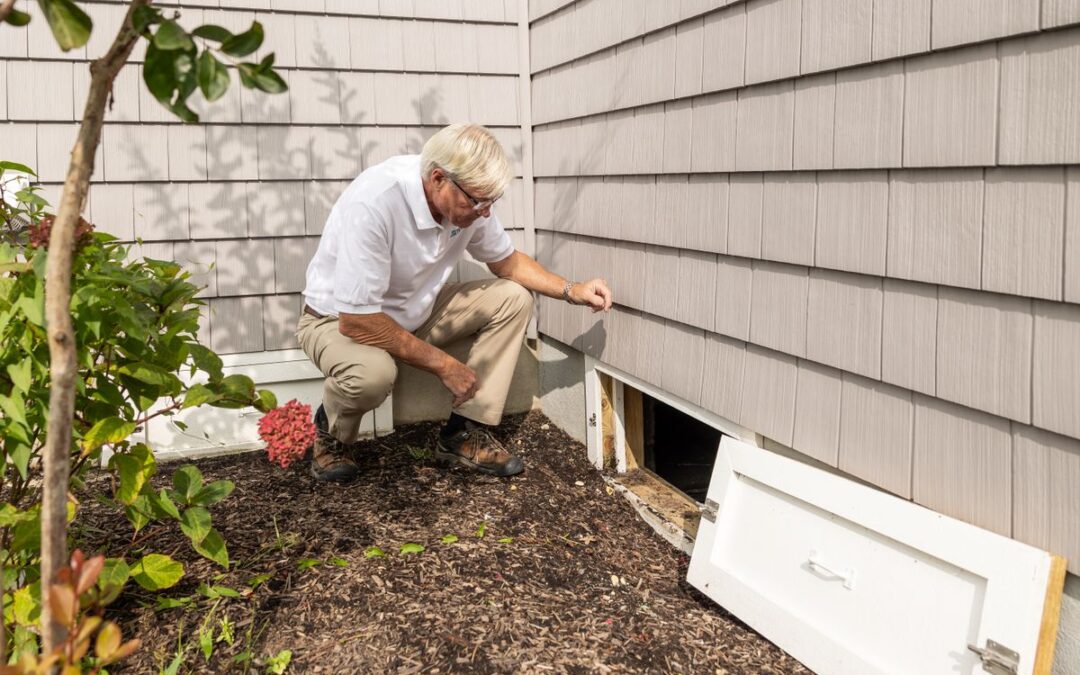
When you see a pest, the most useful question is why the pest is there in the first place.
That is the basic idea behind integrated pest management. Instead of relying on one treatment method, IPM combines inspection, monitoring, prevention, physical controls, sanitation, and targeted treatments to manage pests over the long term.
The approach can be used in houses, apartments, commercial buildings, and other occupied spaces. It is especially useful when recurring pest activity has multiple causes, such as food sources, moisture, entry points, clutter, or conditions that allow pests to reproduce.
What Is Integrated Pest Management?
Integrated Pest Management, usually called IPM, is a pest management approach that uses information about the pest, its environment, and the level of activity to decide what action is actually necessary.
The goal is not simply to kill every pest immediately. It is to prevent pest populations from reaching unacceptable levels while using the most appropriate control methods for the situation.
In practical terms, an IPM program asks:
- What pest are we dealing with?
- Where is it coming from?
- What is attracting or supporting it?
- How serious is the activity?
- What can be changed to prevent it?
- Which control method is appropriate?
- Did the treatment actually work?
That last question matters. Monitoring after treatment is part of the process, rather than assuming that one application has solved the entire problem.
How Does Integrated Pest Management Work?
A typical IPM program follows a logical sequence rather than jumping straight to pesticide application.
1. Inspect And Identify
The first step is finding out what is actually happening.
Different pests require different responses, and misidentification can lead to ineffective treatment. A professional may look for live insects, droppings, nesting areas, damage, entry points, moisture, food sources, and other evidence of activity.
A single insect does not necessarily mean there is an established infestation. IPM uses monitoring and identification to determine whether intervention is warranted.
2. Find The Conditions Supporting The Pest
Once the pest is identified, the next question is why it can survive in the building.
For example, mice may benefit from small openings around a structure, while cockroaches may be supported by accessible food, water, and hiding places. Bed bugs follow a different pattern and can be introduced through people and belongings.
This is where IPM differs from simply treating the visible pest. The surrounding conditions become part of the problem.
3. Prevent And Control
The next step is choosing the least disruptive effective combination of control methods.
Depending on the pest and situation, this can include sanitation, exclusion, traps, vacuuming, removing harbourage, repairing moisture problems, physical barriers, heat, or carefully selected pesticides.
IPM does not mean that pesticides are never used. They can still be an appropriate tool when other measures are insufficient. The difference is that treatment is selected based on the situation rather than automatically applied as the first response.
4. Monitor And Adjust
After control measures are taken, the situation should be reassessed.
If pest activity continues, the original assumption may need to be reconsidered. There could be another entry point, an untreated area, an ongoing food or moisture source, or movement between units.
For larger properties, keeping records of sightings, treatments, and results can make this process much easier.
Does Integrated Pest Management Use Pesticides?
Yes. IPM does not mean pesticide-free pest control.
Instead, pesticides are one tool within a broader strategy. The objective is to use them carefully and only when they are appropriate for the pest, location, and circumstances.
This distinction is important because avoiding pesticides at all costs is not necessarily the same thing as managing pests effectively. Likewise, applying pesticides routinely without addressing the reasons pests are present may not provide a lasting solution. A good IPM plan considers both effectiveness and risk.
What Does Integrated Pest Management Look Like At Home?
For homeowners, IPM can be surprisingly practical. Suppose you notice ants repeatedly appearing around a kitchen window. Spraying the visible ants may reduce what you see temporarily. An IPM approach would also look for the conditions behind the activity.
That might mean checking for food residue, moisture, cracks, vegetation touching the building, or an outdoor source that is allowing ants to reach the structure.
Simple prevention measures can include:
- Sealing cracks and gaps around doors, windows, pipes, and other potential entry points.
- Keeping food in sealed containers and cleaning crumbs and spills promptly.
- Fixing leaks and reducing unnecessary moisture.
- Reducing clutter and other places where pests can hide.
- Keeping waste in closed containers and removing it regularly.
These measures are not substitutes for professional treatment when an established infestation is present. They are part of making the environment less suitable for pests.
How Does Integrated Pest Management Work For Bed Bugs?
Integrated pest management bed bugs programs are particularly important because bed bugs can be difficult to eliminate with a single method.
Bed bug IPM can combine inspection, monitoring, physical measures, heat, laundering or other appropriate controls, and pesticides when necessary. It also takes time because eggs can resist some control methods and infestations require continued attention.
Monitoring is especially important. A treatment should not automatically be considered successful simply because no bugs are seen immediately afterward.
For bed bugs, professional IPM may involve checking likely hiding areas, treating affected items or spaces, monitoring for remaining activity, and determining whether additional intervention is required.
Is IPM Useful For Apartments And Multi-Unit Buildings?
Yes, and the approach becomes even more important when multiple units share walls, plumbing, hallways, or other pathways.
A pest problem in one apartment does not necessarily remain in that apartment. Effective management may require communication between residents, maintenance staff, property managers, and pest professionals.
For this reason, IPM integrated pest management programs in multi-unit housing often involve documenting where activity has been found, identifying patterns, addressing building conditions, and monitoring results over time. We at We Clean Pest Control recommend a coordinated approach involving residents, maintenance personnel, managers, and pest professionals for effective IPM in multi-family housing.
For property managers, clear reporting can also make it easier to distinguish between units that require treatment and units that simply need monitoring.
What Are The Benefits Of Integrated Pest Management?
The main advantage of IPM is that it treats pest management as an ongoing decision-making process rather than a one-time spray.
For homeowners and businesses, that can mean:
| IPM Benefit | What It Means |
|---|---|
| Better identification | Control is based on the actual pest and situation |
| Prevention | Conditions supporting pests are addressed |
| Targeted treatment | Control methods are chosen for the specific problem |
| Reduced unnecessary pesticide use | Treatments are not automatically applied when they are unnecessary |
| Monitoring | Results can be checked and adjusted |
| Long-term management | The focus extends beyond the immediate sighting |
For commercial and multi-unit properties, the documentation and monitoring side can be particularly valuable because recurring pest activity may involve several locations or contributing factors.
Businesses looking at integrated pest management control should therefore think beyond individual treatments. A useful program should create a process for identifying problems, correcting contributing conditions, documenting interventions, and checking whether those interventions worked.
Frequently Asked Questions About Integrated Pest Management
Is integrated pest management better than traditional pest control?
IPM is a different approach rather than simply a different product. It combines prevention, monitoring, identification, and control measures instead of relying automatically on routine pesticide applications. The appropriate approach depends on the pest, building, infestation level, and circumstances.
Does IPM completely eliminate pests?
Not necessarily. The objective is to prevent pests from reaching unacceptable levels and to manage the conditions that allow them to survive and reproduce. Some situations require ongoing monitoring rather than assuming permanent elimination after one treatment.
Can I use integrated pest management myself?
Yes. Homeowners can use many IPM principles, including improving sanitation, sealing entry points, reducing moisture, removing harbourage, and monitoring for activity. Established or difficult infestations may require a pest management professional.
Why is monitoring important in IPM?
Monitoring tells you whether the control measures are working. It can also reveal new activity, missed areas, or conditions that continue to support the infestation. For bed bugs and multi-unit properties in particular, continued monitoring can be an important part of determining whether the problem is actually under control.
A More Practical Way To Think About Pest Control
IPM is ultimately about solving the pest problem, not simply reacting to the pest you can see.
Identify what is present. Find out why it is there. Change the conditions that support it. Use the appropriate control method. Then check whether the problem is actually under control.
For Edmonton homeowners and property managers, that can mean fewer unnecessary treatments and a clearer understanding of what is happening inside a property. We Clean Pest Control takes a similar problem-first approach, emphasizing identification, honest advice, and treatment based on the actual situation rather than automatically recommending the most expensive option.
Whether you are dealing with one recurring pest issue or managing several units, the basic principle remains the same: good pest management starts with understanding the problem before deciding how to treat it.
