
Waking up with itchy red bumps can leave you wondering what bit you overnight. Many people immediately assume they have bed bugs, while others worry about spiders. Although the bites can sometimes look similar at first glance, there are important differences that can help you identify the likely cause.
Understanding spider bites vs bed bugs is about more than satisfying your curiosity. If the bites are caused by bed bugs, there may be an active infestation that will continue until it is addressed. If the bite came from a spider, the concern is usually isolated, although some species require medical attention.
This guide explains how to tell the difference, what other signs to look for, and when it’s time to seek professional help. The article is based on the topic and guidance you provided.
How Can You Tell the Difference Between Bed Bug Bites and Spider Bites?
Looking only at the bite can be misleading because everyone’s skin reacts differently. Some people develop large, itchy welts, while others barely react at all.
Instead of focusing on one symptom, consider the overall pattern.
Bed bug bites usually:
- Appear in clusters or straight lines.
- Develop overnight while you are sleeping.
- Affect exposed skin such as the arms, neck, face, shoulders, and legs.
- Cause itching more often than pain.
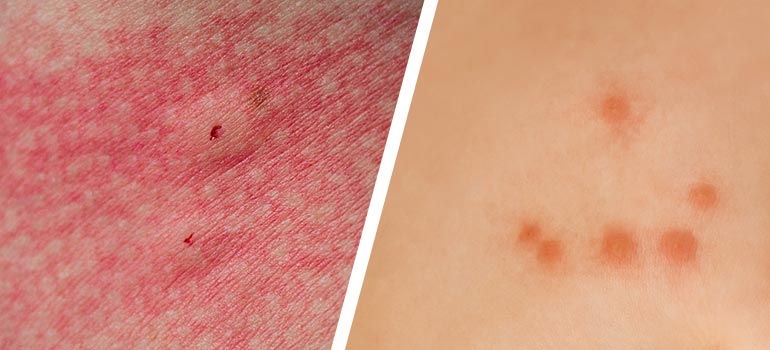
Spider bites are usually different. Most spiders bite only when trapped against the skin or disturbed. As a result, a spider bite is generally a single bite rather than a group of bites.
When comparing bed bug bites vs spider bites, the pattern is often one of the strongest clues.
What Does a Spider Bite Look Like?
Most spider bites appear as one small inflamed area with a central puncture point. In some cases, two tiny puncture marks may be visible because of the spider’s fangs.
Common symptoms include:
- Localized redness.
- Mild swelling.
- Tenderness or burning.
- Pain around the bite site.
Most common household spider bites improve within several days.
Severe reactions are uncommon but require immediate medical attention if you develop increasing pain, muscle cramps, fever, difficulty breathing, or a rapidly spreading wound.
What Do Bed Bug Bites Look Like?
Bed bugs feed on blood while people sleep, usually during the early morning hours before sunrise.
Unlike spiders, they often bite more than once during a single feeding session. This creates the familiar lines or clusters that many people associate with bed bugs.
A typical spider bite vs bed bug bite comparison shows that bed bug bites tend to be:
- Small, raised, red bumps.
- Very itchy.
- Arranged in rows or small groups.
- Found on exposed areas that contact bedding.
Not everyone reacts immediately. Some people notice bites within hours, while others may not develop visible marks until several days later.
Where on the Body Do Bed Bugs and Spiders Usually Bite?
Location can also provide helpful clues.
Bed bugs prefer exposed skin because it is easier to access while a person sleeps.
They commonly bite:
- Face
- Neck
- Arms
- Hands
- Shoulders
- Lower legs
Spider bites are less predictable. They often occur where a spider becomes trapped inside clothing, shoes, towels, or bedding.
Hands, feet, ankles, and legs are common locations, but a spider can bite almost anywhere if it feels threatened.
How Can You Tell if You Have Bed Bugs Instead of Spider Bites?
The bite itself is only part of the picture.
If you suspect bed bugs, inspect your bedroom carefully for additional evidence. Unlike spiders, bed bugs leave signs behind.
Look for:
- Tiny black or brown spots on mattresses or bedding.
- Small blood stains on sheets.
- Shed skins near mattress seams.
- Live bed bugs hiding in cracks, bed frames, or upholstered furniture.
Finding several of these signs along with new bites strongly suggests a bed bug infestation rather than an isolated spider encounter.
At We Clean Pest Control, inspections often begin with these physical clues because they provide much more reliable evidence than bite appearance alone.
Can You Tell What Bit You Just by Looking at the Bite?
Unfortunately, no.
Doctors and pest professionals alike know that bites alone rarely provide a definite diagnosis.
Mosquitoes, fleas, mites, allergic reactions, skin irritation, and even certain rashes can resemble insect bites.
When discussing bed bug vs spider bites, it is more accurate to evaluate:
- Bite pattern.
- Number of bites.
- Timing.
- Location on the body.
- Evidence of pests in the home.
Looking at all of these factors together provides a much clearer picture than examining the skin alone.
When Should You Be Concerned About a Spider Bite?
Fortunately, serious spider bites are rare in Canada.
Most bites cause only temporary discomfort that improves with basic first aid, including washing the area, applying a cold compress, and monitoring symptoms.
Medical attention should be sought immediately if you experience:
- Severe or worsening pain.
- Difficulty breathing.
- Muscle cramps.
- Fever or chills.
- Rapidly spreading redness.
- Signs of infection such as pus or increasing swelling.
These symptoms are uncommon but should never be ignored.
What Should You Do if You Suspect Bed Bugs?
If new bites appear every few nights, avoid assuming the problem will disappear on its own.
Bed bugs reproduce quickly, and moving bedding or furniture between rooms can accidentally spread the infestation.
If you believe you need bed bugs removal in Edmonton, start by inspecting mattresses, bed frames, upholstered furniture, and nearby cracks before moving belongings throughout the home.
Early identification often limits how far the infestation spreads and reduces the amount of treatment required.
When Is It Time to Contact a Spider Exterminator in Edmonton?
Most spiders found indoors are harmless and may only appear occasionally.
However, repeated spider sightings, webs throughout the home, or large numbers of spiders indoors may indicate that conditions are supporting an ongoing population.
An experienced spider exterminator in Edmonton can determine whether spiders are simply wandering inside or whether another insect problem is attracting them. Since spiders feed on other insects, their presence sometimes signals a larger pest issue that should also be addressed.
Frequently Asked Questions
Are bed bug bites more itchy than spider bites?
Usually, yes. Bed bug bites commonly cause intense itching, while spider bites are more likely to cause localized pain, tenderness, or a burning sensation.
Can spiders bite more than once?
Most spiders bite only once when they feel threatened. Multiple bites in a line or cluster are much more characteristic of bed bugs.
Do bed bug bites always appear overnight?
Not necessarily. Although bed bugs typically feed while people sleep, some individuals do not develop visible bite reactions until hours or even days later.
Can you have bed bugs without seeing them?
Yes. Bed bugs are excellent at hiding inside mattress seams, furniture joints, cracks, and wall voids. Many homeowners notice bites before they ever find a live insect.
Don’t Rely on Bites Alone
Trying to identify bites based only on appearance often leads to unnecessary worry or delayed action. A single spider bite is usually an isolated event, while bed bug bites often indicate an active infestation that will continue unless the source is addressed.
If you notice recurring bites along with signs of bed bugs in your home, early inspection is the best next step. At We Clean Pest Control, we always recommend confirming the pest before beginning treatment so you can choose the most effective solution instead of relying on guesswork.
