
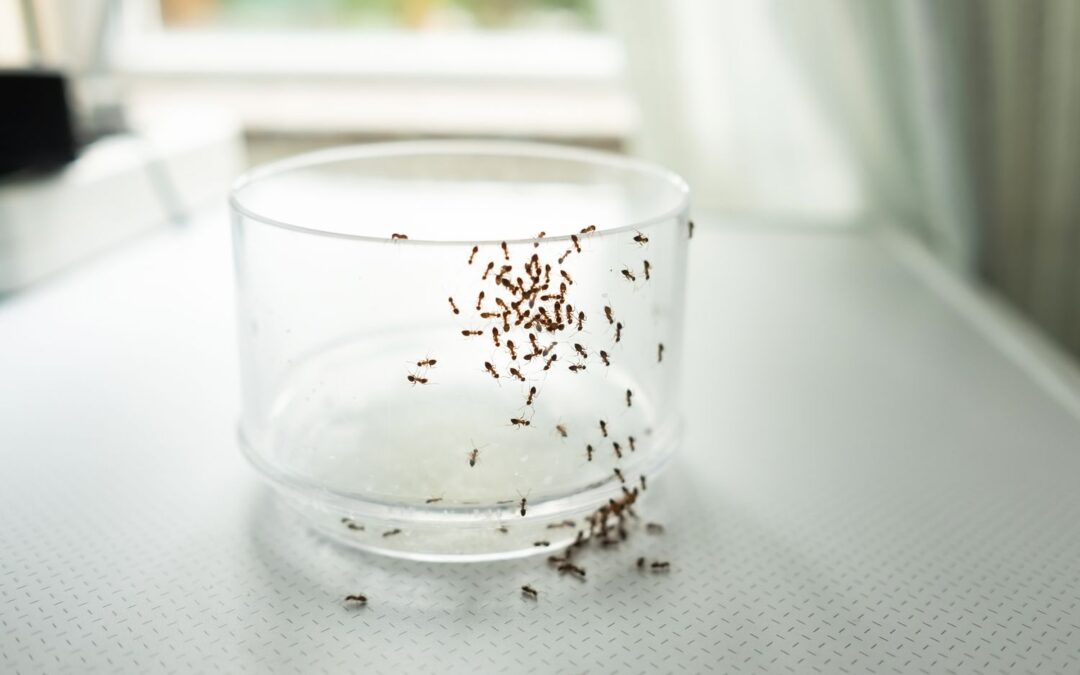
Finding a trail of ants across your kitchen counter or seeing them appear around windows and doorways can be frustrating. The first instinct for many homeowners is to search for home remedies for ants before buying insecticides or calling a professional.
The good news is that some DIY methods can help, especially when you’re dealing with a few scout ants or a small, newly established trail. The bad news is that many popular internet remedies either provide only temporary relief or have little scientific evidence behind them.
The key is understanding which methods simply repel ants, which may reduce their numbers, and which actually eliminate the colony. This article explores the most common home remedies, explains how they work, and helps you decide when a DIY approach is enough.
Why Do Ants Keep Coming Into Your Home?
Before trying any remedy, it helps to understand why ants are there in the first place.
Ants are constantly searching for food, water, and shelter. A single scout ant may discover crumbs on a countertop, pet food left overnight, or moisture under a sink. Once it finds a reliable source, it leaves behind a chemical trail called a pheromone trail. Other ants follow that trail, creating the long lines homeowners commonly notice.
Simply killing the ants you can see rarely solves the problem because the colony remains active elsewhere.
What Are the Best Home Remedies for Ants?
Many natural remedies focus on disrupting scent trails or making entry points less attractive. These methods can reduce ant activity but usually do not eliminate the nest.
Some of the most commonly recommended home remedies to get rid of ants include:
- White vinegar mixed with water to wipe down counters and floors.
- Lemon juice applied around entry points.
- Cinnamon placed near windows, doors, and cracks.
- Peppermint essential oil diluted with water as a deterrent.
These methods work mainly because strong scents interfere with the pheromone trails ants rely on for navigation. They may stop ants temporarily, but new trails often form if the colony remains nearby.
Does Vinegar Really Get Rid of Ants?
This is one of Google’s most frequently asked questions, and the answer is partly yes.
Vinegar does not kill an entire ant colony, but it can remove the invisible scent trails that guide worker ants to food sources.
A solution of equal parts white vinegar and water works well for cleaning:
- Kitchen countertops
- Floors
- Windowsills
- Door thresholds
- Areas where ants frequently travel
Because vinegar evaporates, the effect is temporary. If food sources remain available or the colony continues sending out scouts, the ants will often return.
What Smells Do Ants Hate?
Ants rely heavily on scent to communicate, so strong odours can sometimes discourage them from entering certain areas.
Common natural repellents include:
- Peppermint oil
- Cinnamon
- Citrus peels
- Clove oil
- Tea tree oil
These ingredients may reduce activity around entry points, but they do not remove the colony itself. Think of them as creating an obstacle rather than solving the underlying infestation.
If ants continue appearing despite repeated cleaning and repellents, the colony has likely established another route.
Do Baking Soda and Borax Kill Ants?
Unlike many natural repellents, these products are designed to kill rather than simply deter ants.
Baking soda is often mixed with powdered sugar because the sugar attracts worker ants. However, research supporting its effectiveness is limited, and results vary considerably.
Borax-based baits generally perform better because worker ants carry the bait back to the colony, where it can eventually affect other ants, including the queen.
Although these are among the more effective home remedies to kill ants, they require careful placement and should always be kept away from children and pets.
Patience is also important. Successful bait treatments may take several days or even weeks before colony activity noticeably declines.
Why Do DIY Ant Treatments Sometimes Fail?
Many homeowners become discouraged because the ants seem to disappear for a day or two before returning.
That usually happens because the treatment addressed the visible ants but not the colony itself.
Several factors can limit the success of DIY methods:
- The nest is hidden inside walls, beneath concrete, or outdoors.
- Multiple colonies are feeding in the same area.
- Food sources remain easily available.
- Entry points have not been sealed.
- Repellents simply redirect ants instead of eliminating them.
At We Clean Pest Control, we often see homeowners spend weeks trying different household remedies before discovering the colony was actually located beneath a patio, inside wall voids, or under landscaping stones.
How Can You Prevent Ants From Coming Back?
Prevention is often more effective than treatment.
Even after ants disappear, removing what attracted them helps prevent future infestations.
Simple preventive habits include:
- Wipe up spills immediately, especially sugary foods.
- Store dry goods in sealed containers.
- Clean around pet food bowls daily.
- Empty garbage regularly.
- Seal cracks around windows, doors, and utility openings.
- Trim vegetation that touches the exterior of your home.
Healthy home maintenance removes many of the conditions ants depend on.
When Is It Time to Call an Ant Exterminator in Edmonton?
If ants continue returning despite repeated DIY efforts, the infestation may be larger than it appears.
Some species establish multiple nesting sites, making complete elimination difficult without identifying every colony.
Persistent infestations, recurring trails, or ants emerging from walls often require a more comprehensive inspection.
An experienced ant exterminator in Edmonton can identify the species involved, locate nesting sites, and determine whether treatment is actually necessary instead of relying on repeated trial and error.
Can Professional Treatment Prevent Future Infestations?
Professional pest control is not simply about applying products.
A proper inspection identifies why ants entered the property in the first place. That may include moisture problems, structural gaps, outdoor nesting sites, or food sources that homeowners have overlooked.
For many families seeking residential pest services, the long-term goal is reducing the chance of recurring infestations rather than simply removing the ants visible today.
Combining targeted treatment with prevention strategies typically produces more reliable results than repeatedly switching between different DIY remedies.
Frequently Asked Questions
What is the most effective home remedy for ants?
For mild infestations, cleaning scent trails with vinegar and improving sanitation are often the most effective first steps. No natural remedy consistently eliminates an entire colony on its own.
Does vinegar kill ants instantly?
Vinegar may kill some ants on direct contact, but its primary benefit is removing the pheromone trails that attract more ants to the same location.
Why do ants keep coming back after using natural remedies?
Most natural remedies repel ants or disrupt their trails without eliminating the colony. As long as the nest remains active, new worker ants can continue entering your home.
Are home remedies enough for a large ant infestation?
Usually not. Large or recurring infestations often involve hidden colonies that require proper identification and targeted treatment to fully resolve.
The Right Solution Depends on the Size of the Problem
Natural remedies can be useful when ant activity is caught early. Cleaning away scent trails, sealing entry points, and removing food sources may stop a small problem before it grows.
However, if ants continue returning despite your efforts, the issue is likely deeper than the visible trail. Rather than repeatedly trying different DIY solutions, having the infestation properly identified can save time and frustration. At We Clean Pest Control, we always recommend confirming the source of the problem before deciding on the most appropriate treatment.
