
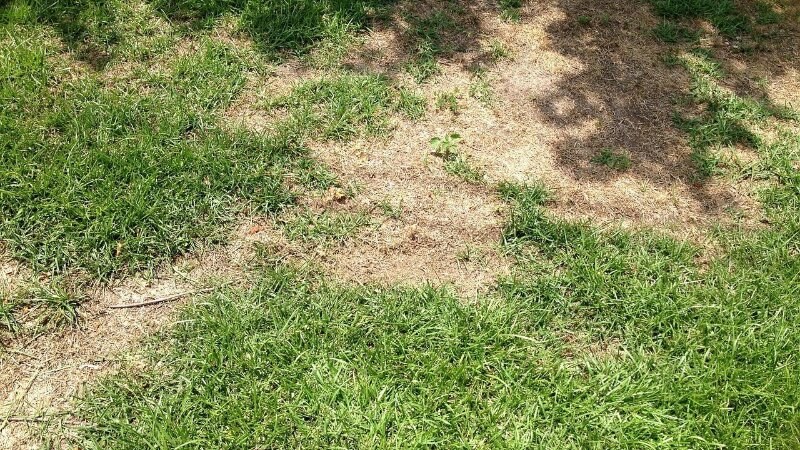
A healthy lawn does more than improve curb appeal. It protects soil, reduces dust, and creates a comfortable outdoor space for your family. That is why discovering unexplained brown patches can be frustrating, especially during Edmonton’s warm summer months.
While drought stress, pet urine, or lawn diseases are common causes of damaged grass, insects can also be responsible. One pest that often goes unnoticed until the damage becomes obvious is the chinch bug. Because these insects are tiny and hide deep in the thatch layer, homeowners usually notice the effects long before they ever see the bugs themselves.
Learning how to recognize chinch bug lawn damage early gives you the best chance of protecting your turf before large sections of grass are affected. This article is based on the topic and guidance you provided.
What Does Chinch Bug Lawn Damage Look Like?
The first signs are usually small patches of yellowing or brown grass that seem to appear without an obvious reason. At first glance, many homeowners assume the lawn simply needs more water. Unfortunately, watering alone will not solve the problem if chinch bugs are feeding on the grass.
Unlike drought damage, affected areas often continue expanding even after irrigation. The grass may appear dry and brittle, and individual blades lose their healthy green colour.
As feeding continues, the damaged patches begin to merge together. Eventually, large irregular sections of turf may look completely dead.
Common signs include:
- Small yellow patches that gradually turn brown.
- Grass that feels dry even after watering.
- Damage that spreads outward over time.
- Turf that becomes thin and weak.
- Healthy grass surrounding clearly damaged areas.
These symptoms are typical of chinch bug damage in lawns, although similar symptoms can also be caused by fungal diseases or poor irrigation.
How Can You Tell if Chinch Bugs Are Causing the Problem?
One of the biggest challenges is that chinch bugs are extremely small. Adult insects are only a few millimetres long and spend most of their time hiding near the base of grass plants or inside thatch.
Instead of searching for the insects immediately, inspect how the grass behaves.
Grass affected by chinch bugs often becomes weak enough to pull away from the soil with very little resistance because the insects have damaged the plant at its base. You may also notice that nearby areas still look healthy while the damaged section continues expanding.
A simple field test can also help.
Remove both ends from a large metal can, press it several inches into the soil within the damaged area, then slowly fill it with water. If chinch bugs are present, they often float to the surface within several minutes. While this is not a perfect diagnostic method, it can indicate whether insects are active beneath the grass.
Why Do Chinch Bugs Damage Lawns?
Chinch bugs do not eat grass blades the way caterpillars or some other lawn pests do.
Instead, they pierce the plant with specialized mouthparts and feed on its juices. During feeding, they inject saliva into the plant tissue, disrupting the movement of water and nutrients.
The result is grass that behaves as though it is suffering from drought, even when moisture is available.
Hot, dry weather often accelerates the damage because stressed grass has fewer resources to recover. Lawns with excessive thatch also provide ideal shelter for these insects, allowing populations to grow with little disturbance.
Can Chinch Bug Damage Be Mistaken for Something Else?
Yes, and it often is.
Many lawn problems produce similar symptoms, making accurate identification important before beginning treatment.
Brown patches may also result from:
- Extended dry weather.
- Uneven sprinkler coverage.
- Lawn diseases.
- Soil compaction.
- Dog urine.
- Heavy foot traffic.
The biggest clue is whether the damage continues spreading despite proper watering and lawn care.
If conditions improve but the brown patches continue growing, insects become a much more likely explanation.
How Can You Prevent Chinch Bug Damage in Lawns?
Good lawn maintenance remains the best long-term defence against recurring infestations.
Healthy grass can tolerate small numbers of insects without showing visible damage. Weak, stressed turf cannot.
Several simple practices reduce the risk:
- Water deeply instead of lightly every day.
- Avoid excessive fertilizer applications that encourage heavy thatch.
- Dethatch when the layer becomes too thick.
- Aerate compacted soil to improve root health.
Maintaining strong turf also makes it easier to spot unusual changes before they spread across the entire yard.
At We Clean Pest Control, we often remind homeowners that early identification is usually far less expensive than trying to restore a severely damaged lawn after weeks of unnoticed feeding.
When Should You Consider Professional Chinch Bug Control Services?
Small isolated infestations can sometimes be managed before widespread damage occurs. However, once large areas of grass begin dying, proper identification becomes much more important.
Applying insecticides without confirming the actual pest can waste both time and money. Lawn diseases, irrigation problems, and insect infestations all require different solutions.
Professional inspections help determine:
- Whether chinch bugs are actually present.
- How extensive the infestation has become.
- Whether treatment is necessary.
- If another lawn problem is responsible.
If an infestation is confirmed, chinch bug control services can target the insects while also helping reduce conditions that allowed the population to develop.
Is Edmonton’s Climate Suitable for Chinch Bugs?
Although chinch bugs are often associated with warmer regions, several species can survive throughout Canada, including Alberta.
Activity generally increases during warmer periods when grass experiences heat or moisture stress. Extended dry conditions make lawns more vulnerable because weakened turf struggles to recover from insect feeding.
This does not mean every brown lawn in Edmonton has chinch bugs. Most damaged lawns have multiple contributing factors, which is why accurate diagnosis is so important before choosing a treatment plan.
How Long Does It Take a Lawn to Recover?
Recovery depends on two factors: how quickly the infestation is stopped and how much of the grass is still alive.
Grass that has only been weakened may recover within several weeks once feeding stops and growing conditions improve.
Areas where the plants have completely died may require overseeding or partial lawn renovation. Continuing regular watering, proper mowing, and balanced fertilization helps encourage healthy regrowth after the insects have been controlled.
For homeowners looking for residential pest services in Edmonton, addressing the pest quickly often means less lawn replacement and a faster return to healthy turf.
Frequently Asked Questions
How do you identify chinch bug lawn damage?
Look for irregular yellow or brown patches that continue expanding despite adequate watering. Grass often becomes dry, weak, and easy to pull from the soil.
What time of year are chinch bugs most active?
They are generally most active during warm, dry weather when lawns are already under environmental stress. Summer is typically when damage becomes easiest to notice.
Will watering kill chinch bugs?
No. Watering may temporarily reduce drought stress, but it will not eliminate an active infestation. If chinch bugs are present, the damaged areas usually continue spreading.
Can a damaged lawn recover after chinch bugs?
Yes, if the infestation is identified early and enough healthy grass remains. Severely damaged areas may require reseeding or other lawn restoration measures.
Protect Your Lawn Before Small Problems Become Big Ones
Brown patches rarely improve by themselves. The sooner you determine whether drought, disease, or insects are responsible, the easier it is to protect your lawn from further decline.
If you suspect chinch bug lawn damage in your Edmonton yard and are unsure of the cause, having the problem properly identified can prevent unnecessary treatments and help you choose the most effective solution. At We Clean Pest Control, we believe honest advice comes first, which means confirming the real issue before recommending any treatment.
