
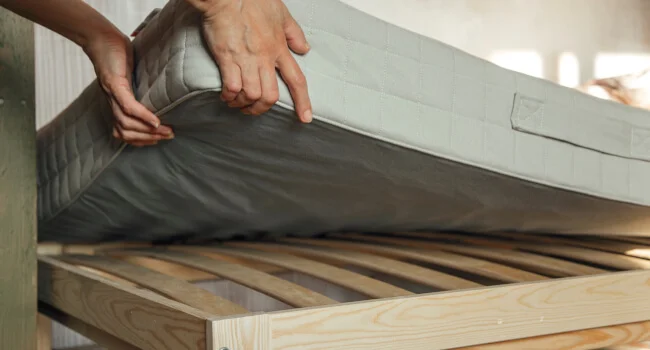
Finding unexplained bites or tiny dark spots on your bedding can quickly raise one question: where do bed bugs hide? These insects are experts at staying out of sight. Their flat bodies allow them to squeeze into cracks no thicker than a credit card, making them difficult to spot until the infestation has already grown.
Bed bugs do not wander randomly around your home. They stay close to people because they feed on blood, usually while we sleep. Understanding their hiding habits can help you detect an infestation earlier and prevent it from spreading to other rooms.
In this guide, you’ll learn the most common places bed bugs hide, how to inspect your home, and what to do if you find signs of an infestation.
Where Do Bed Bugs Hide During the Day?
One of the most common questions homeowners ask is where do bed bugs hide during the day.
Unlike ants or cockroaches, bed bugs spend most of their lives hidden. They leave their shelter at night to feed and return to the same protected spaces before daylight. Because they prefer staying close to their food source, they usually hide within a few feet of where people sleep or spend long periods resting.
Some of the first places to inspect include:
- Mattress seams, piping, and labels
- Box springs
- Bed frames and headboards
- Cracks in bedside tables
- Upholstered chairs and couches
- Baseboards and loose wallpaper near the bed
As the infestation grows, bed bugs spread farther away from the bed into nearby furniture and hidden structural spaces.
Where Do Bed Bugs Normally Hide?
If you’re wondering where do bed bugs normally hide, start by thinking about anywhere that offers three things: darkness, tight spaces, and easy access to people.
The bed is usually the first location they infest, but it is far from the only one.
Bed bugs commonly hide inside wooden joints, screw holes, fabric folds, and narrow crevices that are rarely disturbed during everyday cleaning. They can also hide behind picture frames, inside dresser drawers, beneath loose baseboards, and around electrical outlets located near sleeping areas.
Living rooms are another common location. Sofas, recliners, and upholstered chairs often provide excellent hiding places, especially if someone regularly naps there.
Unlike termites or ants, bed bugs do not damage furniture. They simply use it as shelter while waiting for their next blood meal.
Where Do Bed Bugs Hide in Clothes?
Many people also ask where do bed bugs hide in clothes, especially after travelling or staying in hotels.
Bed bugs do not live on clothing like lice, but they can hide in garments that remain close to an infested sleeping area. Laundry piles, open suitcases, backpacks, and clothes left on the floor are particularly attractive because they provide plenty of folds and seams.
They may also hide inside:
- Folded clothing stored beside the bed
- Shoes and slippers
- Duffel bags and backpacks
- Suitcases after travelling
- Fabric storage bins
Clothing stored inside sealed containers or closed drawers is generally much less likely to become infested.
If you suspect bed bugs have reached your clothing, washing and drying items on the highest temperature recommended for the fabric is one of the most effective ways to eliminate both insects and eggs.
Can Bed Bugs Hide in Walls and Electronics?
Yes. Although most infestations begin around the bed, larger populations often spread into less obvious locations.
Small gaps behind baseboards, loose trim, peeling wallpaper, and wall voids can all become hiding places. Bed bugs have even been found behind electrical outlet covers and inside furniture joints where they remain undisturbed for long periods.
Electronics located beside the bed, such as alarm clocks, laptops, televisions, or gaming consoles, may occasionally provide shelter because they contain narrow gaps and produce gentle warmth.
These locations are much harder to inspect than bedding, which is one reason bed bug infestations can continue growing unnoticed.
How to Check Your Home for Bed Bugs
Finding bed bugs requires more than a quick glance at your mattress. Adult bed bugs are about the size of an apple seed, while young insects and eggs can be much harder to see.
A systematic inspection gives you the best chance of finding them early.
Start with the bed, then gradually inspect nearby furniture and surrounding walls. A flashlight can help reveal insects hidden inside narrow cracks and seams.
Look for these common warning signs:
- Tiny black spots that resemble pepper or ink stains.
- Pale shed skins left behind as bed bugs mature.
- Small white eggs tucked inside crevices.
- Rust-coloured stains on bedding or mattresses.
If you only rely on finding live insects, you may overlook an infestation that is already becoming established.
What Should You Do If You Find Bed Bugs?
If you discover bed bugs or clear signs of their activity, avoid moving furniture or bedding into another room. This can unintentionally spread the infestation throughout the home.
Instead, wash bedding and clothing using high heat, vacuum affected areas thoroughly, and continue monitoring nearby hiding places.
While small infestations can sometimes be detected early, eliminating every bed bug and egg is much more difficult than simply finding them. If activity continues or spreads beyond one room, professional bed bugs removal services are usually the most reliable solution.
At We Clean Pest Control, we help Edmonton homeowners accurately identify bed bug infestations before recommending treatment. Our team focuses on honest advice and effective solutions, including no-preparation heat treatment options that can eliminate bed bugs while minimizing disruption to your home.
Frequently Asked Questions
Can bed bugs hide in clean homes?
Yes. Bed bugs are attracted to people, not dirt. Even spotless homes, hotels, apartments, and condominiums can experience infestations.
How far do bed bugs travel from the bed?
Most bed bugs stay within a few metres of where people sleep. As populations grow, they gradually spread into nearby furniture, walls, closets, and adjoining rooms.
Can bed bugs hide in pillows?
They usually prefer mattress seams, bed frames, and pillow piping rather than the filling itself. Always inspect pillow seams, covers, and nearby bedding if you suspect bed bugs.
What is the first sign of a bed bug infestation?
Many homeowners first notice unexplained bites, but the earliest visible signs are often tiny black droppings, shed skins, or small rust-coloured stains around the bed.
Early Detection Makes Bed Bugs Easier to Control
Knowing where do bed bugs hide is one of the best ways to catch an infestation before it spreads. These pests usually stay close to sleeping areas, hiding in mattresses, furniture, clothing, and tiny cracks that are easy to overlook during routine cleaning.
If you notice bites, spotting on bedding, or other warning signs, inspect these common hiding places as soon as possible. Acting early can make treatment simpler and reduce the chance of bed bugs spreading throughout your Edmonton home.
